

A 10-year study of nearly 3,000 Canadian workers finds that sleep quality and diet do more to protect health under chronic work stress than exercise.
Articles on Work-related stress
Displaying 1 - 20 of 73 articles

When many are struggling to makes ends meet, the idea that multi-millionaire sportsmen are too busy to spend their wealth seems hard to swallow – but it shows that reward doesn’t protect wellbeing

Stress, poor pay and job insecurity are driving professional chefs away from the hospitality industry in Australia and New Zealand. Tourism is also feeling the impact of the looming skill shortage.

Start by categorising tasks. Are they urgent and important, important but not urgent, urgent but not important or neither urgent nor important?

Psychological factors are under-recognised as risk factors for heart attack. But research shows the more stress someone is under, the greater their risk of heart disease and death.

Two years of pandemic have put a severe strain on the mental health of America’s workers. Employers with a plan in place will be best equipped to help them cope.

Having strong social support and a sense of belonging buffered and even reversed some of the harmful effects of stress on genes.

Throughout the pandemic, community carers have risked their own health and well-being, but have struggled for even basic support and equipment.

Scotland, Ireland and Spain are among those trialling four-day weeks, but they’re not living in the real world.
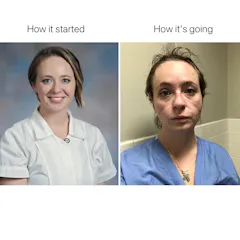
Rates of burnout have increased alarmingly among health-care workers during the pandemic. Unless the system provides more support to its already depleted workforce, staff shortages may get worse.

How we read messages is as important as what we write when it comes to happy workplace relations – especially in lockdowns or when working from home.

Workplace stress among academics has long been higher in Australia and New Zealand than overseas, and research suggests the flow-on impacts on students could fuel a vicious cycle of negative feedback.

Our study, measuring heart rate, skin conductivity and emotion in controlled conditions, shows the effects of office noise are very real.

Burnout as the result of workplace stress has big implications for employers. Occupational health and safety standards require employers to protect both the physical and mental health of workers.

Narcissism is relatively common among managers and can damage their relationships with employees. Yet some narcissists can enourage trust despite their shortcomings. So how can they be detected?

A new book presents burnout as a generational issue, but this is a trap.

Research shows the presence of dogs increases overall human well-being, which can come in handy in high-stress work environments like the White House.

Here’s what the research tells us about what wears us out, what renews us, and how to feel more refreshed in 2021.

People working from home, especially parents, are stressed out during the COVID-19 pandemic. Hotels, meantime, have taken a huge economic hit. Here’s why hotels should market to remote workers.

Workers who experience job insecurity over several consecutive years become less emotionally stable, less agreeable and less conscientious.
Top contributors
-

Emeritus Professor University of South Australia, Adelaide University
-
Scientia Professor of Psychiatry, UNSW
-
Associate Professor for Responsible Business, Middlesex University
-
Senior Research Fellow in wellbeing at work, Adelaide University
-
Professor of Information and Knowledge Management, Loughborough University
-
DANCAP Private Equity Chair in Human Organization, Western University
-
Professor of Information Systems, UMass Amherst
-
Professor of Management, University of Bristol
-
Associate Professor, Critical and Cultural Studies, Macquarie University
-
Scientist and Assistant Professor, Institute of Health Policy, Management and Evaluation, University of Toronto
-
Lecturer, Charles Sturt University
-
Professor of Work and Organisation, University of Essex
-
Researcher at the Stress Research Institute at Stockholm University, Stockholm University
-
Senior Research Associate in Public Health, University of Cambridge
-
Professor of Psychology, Nottingham Trent University