

Most refugees rarely gain citizenship in host countries and the work that is available to them is informal, irregular and precarious.
Articles on Work
Displaying 361 - 380 of 728 articles

Collective bargaining carried out by unions can ultimately benefit employers, not just employees.
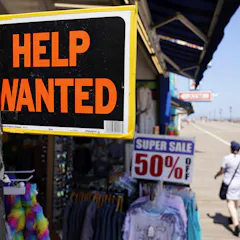
Young workers are particularly vulnerable in the workplace because they tend to do short-term work, often lack training and safety education, and may see injury as just “part of the job.”

Making a safe and healthy work environment a human right is only the first step in ensuring governments protect workers

The work-life balance is about more than shutting off devices or abstaining from emails and meetings after 6 p.m.

How do businesses get employees back into the office when they want to work from home? Research shows the solution could be a blend between the office and home.

MP Neil Parish resigned after using porn in the House of Commons – but his case is not as rare as we might think.

Corporations have the responsibility to make workplaces more inclusive and welcoming for LGBTQ+ employees.
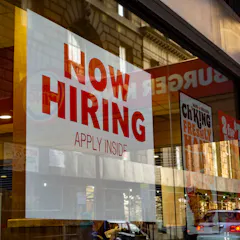
With employers struggling to hire enough workers, reliance on automation is becoming more of a necessity than just a source of competitive advantage.

The resignation of the director-general of health and two of his deputies highlights the risk of burnout during the pandemic. What can employers do to help overwhelmed workers?

Nigerian youth have increasingly been resisting and expressing their dissatisfaction with toxic workplaces.

An increasing number of workers are demanding a more human-centric work environment, with space to express trust and vulnerability.
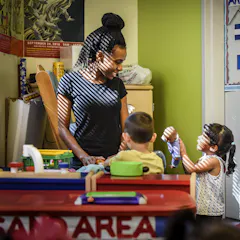
Child care workers are at the center of the food insecurity crisis in America. In 2020, nearly one-third of them were food insecure.

Workplaces, in addition to providing critical organizational resources, can encourage employees to undertake a voluntary workplace well-being streak, or employees can commit to their own.

The passion paradigm can fuel demands for better, more meaningful work, but this is only possible when it’s accompanied by a strong social safety net.

Organizations can reduce some of the negative effects of the COVID-19 pandemic. Providing customizable support measures can improve employees’ work commitment and well-being.

Many scientists stuck at home during university closures dealt with increased domestic responsibilities. But some groups had it worse than others.

Employees are demanding a more human-centric workplace, with space for trust and vulnerability. Management is over. The era of co-creation is underway.

One of the major paradoxes that skilled migrants face is that despite gaining entry into a host country based on their credentials, that doesn’t guarantee success in the local labour market.

Has COVID rendered concepts such as “work-life conflict” or “work-life balance” redundant?
Maybe we need new ways to describe and navigate the new pandemic reality.
Top contributors
-

Professor of Economics and Political Economy, University of Leeds
-
Professor of Organisational Psychology and Health, University of Manchester
-
Associate Professor of Strategy and Organizational Theory, Mount Royal University
-
Program Director & Associate Professor Master of Psychology Health and Wellness & Master of Industrial-Organizational Psychology, Adler University
-
Professor and Ken Croft Chair in Management, Haskayne School of Business, University of Calgary
-
RBC Professor in Responsible Organizations and Full Professor, Concordia University
-
Professor of Work and Employment, University of Southampton
-
Associate Professor of Organisational Behaviour, Bond Business School, Bond University
-
Senior Lecturer and Researcher in Innovation and Digital Leadership, University of Brighton
-
Associate Professor of Management, York University, Canada
-
Cadre en exercice, John Molson School of Business, Concordia University
-
Dean, John Molson School of Business, Concordia University
-
Distinguished Professor and Borden Chair of Leadership, Smith School of Business, Queen's University, Ontario
-
Professor of Organizational Behaviour, University of Guelph
-
Professor, Labour Studies, Brock University