
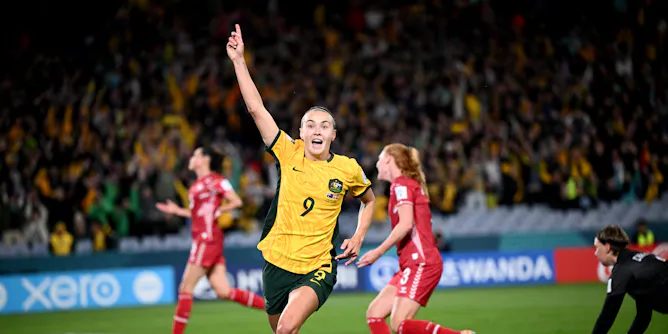
Whatever happens in the quarter final against France, in many ways the Matildas have already won before they even set foot on the pitch.
Articles on Women's football
Displaying 21 - 40 of 82 articles
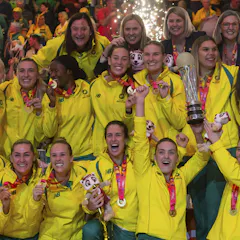
On August 6, the Australian Diamonds won the Netball World Cup for the 12th time – but it received a fraction of the coverage the Matildas are getting.
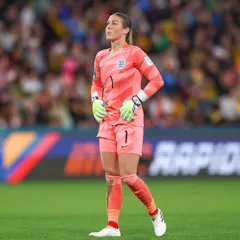
The merchandise and clothing available to fans of women’s teams is often limited, undesirable or just not available.
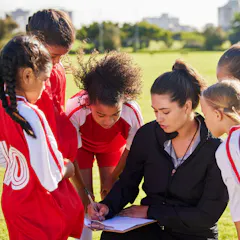
Just 12 of the 32 teams at the Women’s World Cup have female coaches. The game needs to break down some deeply entrenched attitudes to bring more women in as managers at all levels.
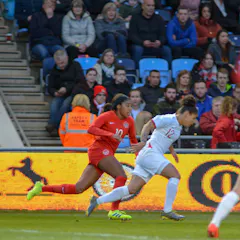
As participation levels rise, TV viewing figures increase and sponsorship income improves year on year, what’s left to achieve for women in football?
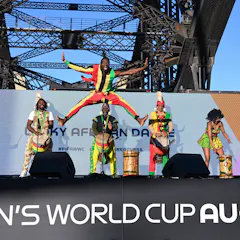
Fifa is facing a bumpy road to balancing money and moral aspects of growing the Women’s World Cup.

The implications of the Canadian women’s soccer team’s World Cup loss goes beyond Canadian national pride.

Gender disparities in sport extend to injuries too. Female soccer players are at greater risk for ACL tears than males and it is clear immediate action is needed to address the non-biological factors for the injury.
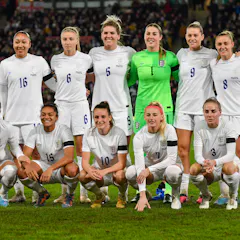
The higher profile of the 2023 Women’s World Cup and the excitement around it should not fool people into thinking the female game ‘has made it’.

If the FA aims to promote both their men’s and women’s national teams equally, my findings suggest they should reassess their current social media strategy.
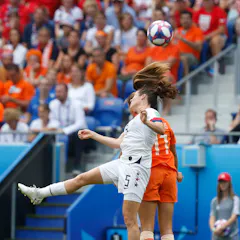
Football is starting to take concussion seriously – but there’s more to do.
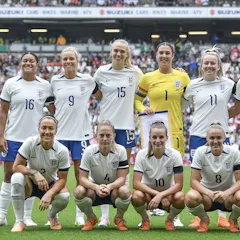
Investment is needed at every level.
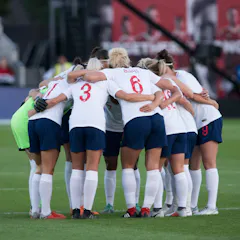
The review seeks to lay out ‘a plan to lift minimum standards in key areas’, acknowledging that there are imbalances across levels and clubs.
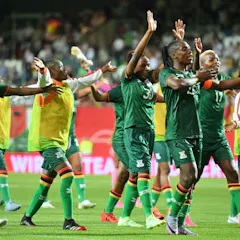
Nigeria leads in the rankings of the four African teams. Two others are making debut World Cup appearances and there’s a storm cloud over South Africa.
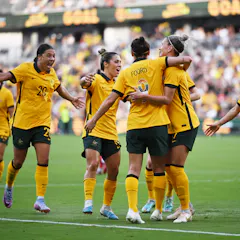
It’s the biggest sporting event in Australia since the 2000 Sydney Olympics.
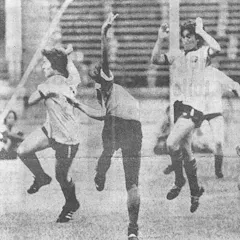
In the lead-in to the 2023 FIFA Women’s World Cup, it is revealing to look back on the media coverage of women’s international soccer.

We examined how newspapers in the UK covered the 2015 and 2019 FIFA Women’s World Cups.
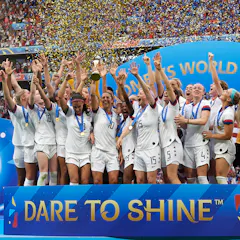
Growing interest in women’s football must be encouraged.
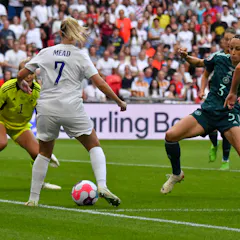
ACL injuries are the most serious kind of knee damage and they are more prevalent in female footballers.
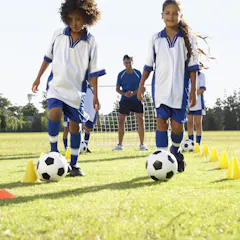
Girls’ involvement in sport can be affected by decisions at the top level.
Top contributors
-

Football Consultant & Visiting Senior Lecturer in Strategy and Governance in Women's Football, University of Portsmouth
-
Associate Professor in Accounting and Sport Finance, University of Portsmouth
-
Professor in the Department of Sport and Exercise Sciences, Durham University
-
Professor of Communications, Howard University
-
Senior Lecturer in Sociology of Sport, Nottingham Trent University
-
Senior Lecturer in Sport and Exercise Psychology, The Open University
-
Senior Lecturer in Sports Business, Leeds Beckett University
-
Head Of Department in Department of Sport & Event Management, Bournemouth University
-
Adjunct Lecturer at the Centre for Justice, Queensland University of Technology
-
Emeritus Professor of Cultural Research, Institute for Culture and Society, Western Sydney University
-
Lecturer of Communication, Sports Media, Deakin University
-
Associate Professor Social Sciences, Gender& Sexualities, Bournemouth University
-
Principal Lecturer in Sport Studies, Sheffield Hallam University
-
Associate Professor of Sociology, Mississippi State University
-
Lecturer in Film and Media, University of Stirling