
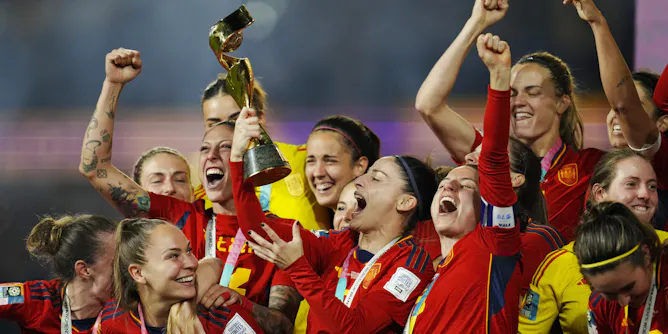
By examining the FIFA Women’s World Cup performances, we can gain insights into the efforts countries are making to address gender inequality beyond sports.
Articles on Women's World Cup
Displaying 1 - 20 of 27 articles
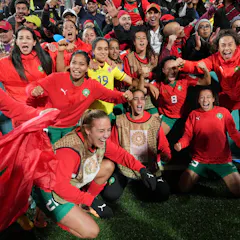
African teams take the football world cup by storm.

The implications of the Canadian women’s soccer team’s World Cup loss goes beyond Canadian national pride.

Gender disparities in sport extend to injuries too. Female soccer players are at greater risk for ACL tears than males and it is clear immediate action is needed to address the non-biological factors for the injury.
If the FA aims to promote both their men’s and women’s national teams equally, my findings suggest they should reassess their current social media strategy.
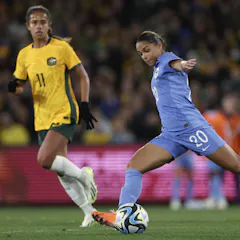
While the 2023 Women’s World Cup might be the best yet for women in terms of investments and viewership, there is still room for improvement for the 2027 World Cup.
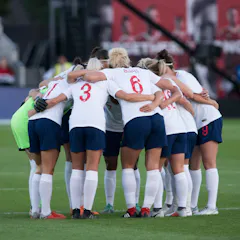
The review seeks to lay out ‘a plan to lift minimum standards in key areas’, acknowledging that there are imbalances across levels and clubs.
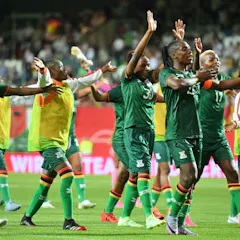
Nigeria leads in the rankings of the four African teams. Two others are making debut World Cup appearances and there’s a storm cloud over South Africa.
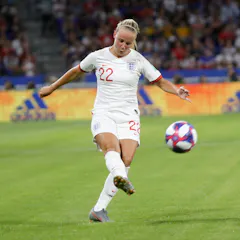
While things are improving for the women’s game in terms of equality, a series of depressing instances of blatant misogyny show there is a long way to go.

In a post-coronavirus world, it remains unclear if the World Cup can deliver on projected tourist numbers, ticket sales and other revenue sources for hosts Australia and New Zealand.

Technology in sport is a constant source of controversy as players and officials struggle to keep up.
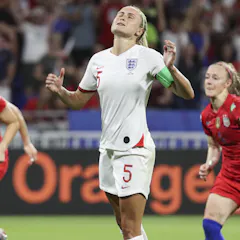
A sport psychologist on how sportspeople are taught to handle high-pressure situations.
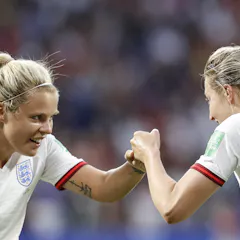
The lesson from other sports is clear: women’s football must be broadcast on free-to-air if it isn’t to disappear.
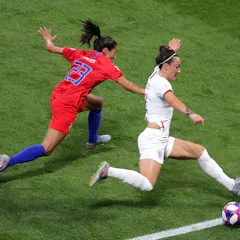
Survey of 3,000 players in 33 different countries outlines how difficult it is for women footballers.
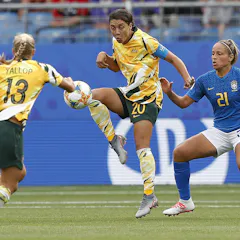
Analysis of every goal-scoring opportunity at the 2015 Women’s World Cup reveals the most effective ways for footballers to gain possession and create a chance to score.
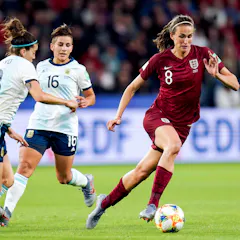
The science of why people prefer to watch games with teams that are close in ability levels rather than a game where one team is far better than the other.
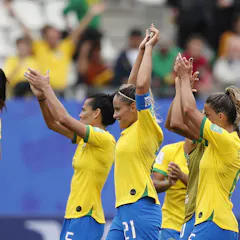
For years, women footballers have resorted to everything from strikes to lawsuits to fight for gender equity. Why is it taking so long to close the pay gap?
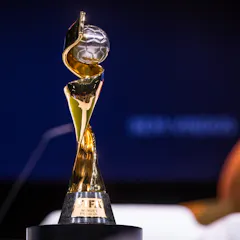
They are the best in the world, but compared to men they are still treated as second best.
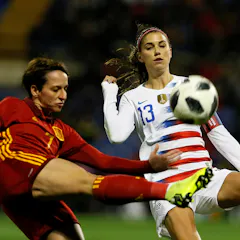
The best female athletes continue to be treated unfairly compared with male sportsmen.
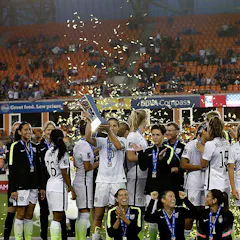
Whether the women’s U.S. soccer team wins its fight for pay equity, its existence alone shows just how much has already been won.
Top contributors
-

Professor and Chair of Allied Health Studies, Stephen F. Austin State University
-
Lecturer in Film and Media, University of Stirling
-
Senior Lecturer, Modern European History and Sports History, Macquarie University
-
Senior Lecturer, University of Manchester
-
Associate Professor, York University, Canada
-
Senior Lecturer in Sport Psychology, Loughborough University
-
Professor of Law and Director of the Center for Sport and the Law, University of Baltimore
-
Reader in the Department of People and Performance, Manchester Metropolitan University
-
Associate Professor, Department of Physical Therapy, Faculty of Medicine, University of British Columbia
-
Physiotherapist and Researcher, University of Alberta
-
Assistant Professor, Faculty of Social Work, Wilfrid Laurier University
-
Senior Lecturer in Philosophy, University of Aberdeen
-
Lecturer in Economics, Western Sydney University
-
Associate Lecturer, School of Education, Childhood, Youth, and Sport, The Open University
-
Associate Professor of Practice Communication Studies, University of Nebraska-Lincoln