

A trauma- and violence-informed approach calls for participants, coaches, managers and organizations to understand the effects of systemic, structural and interpersonal violence.
Articles on 2023 FIFA Women's World Cup
Displaying 1 - 20 of 38 articles
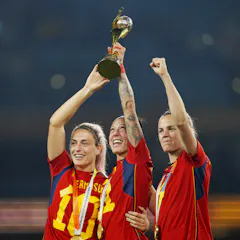
The Women’s World Cup is emerging from the shadow of its male counterpart, breaking attendance records and drawing a global audience.This surge in popularity is a win for gender equality.

Luis Rubiales’ speech against the accusations of having abused of Jenni Hermoso distils constant examples of machismo disguised as feminism that experts in the field are able to detect.
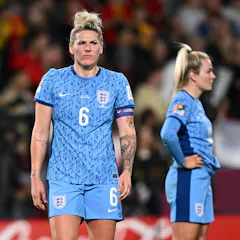
Women’s Super League clubs face troubling levels of debt.
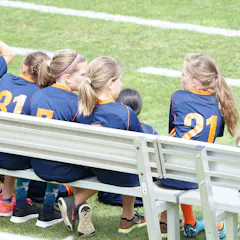
Modernising facilities can provide a short-term excitement, but it’s their management over the long term that will influence whether women and girls participate.
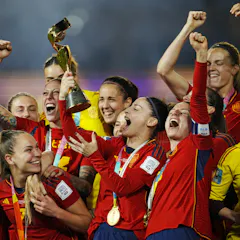
By examining the FIFA Women’s World Cup performances, we can gain insights into the efforts countries are making to address gender inequality beyond sports.
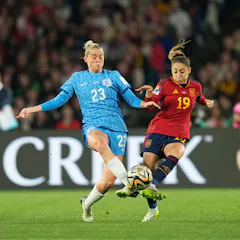
To maintain the Lionesses’ achievements go one step further at future world cups, English football needs to invest in girls playing at academy level.
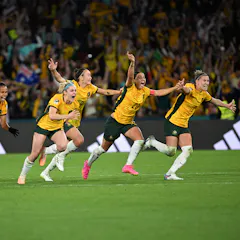
We’re experiencing a great sporting and cultural moment. But the Women’s World Cup needs to be more than a four-week football festival.

Like the rest of Australia, we have been following the world cup with growing emotional intensity. From the group chat to TikTok, the online alt-commentary on the game has been a joy.
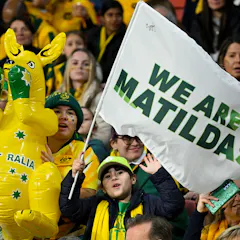
Fans of women’s sport around the world are rejecting traditional masculine norms of sports fandom, and developing a counter fan culture.
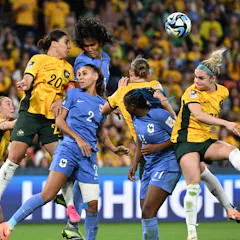
Have you found yourself liking sport for the first time and wondering how you got here? Here’s what might be going on – and why it might be the best thing for your wellbeing.

Matildas fans, we have a job to do. We need to scream our support as loudly as possible – but not at the expense of our vocal health.
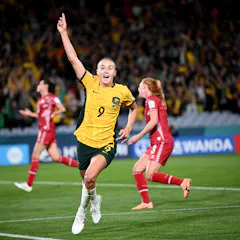
Whatever happens in the quarter final against France, in many ways the Matildas have already won before they even set foot on the pitch.
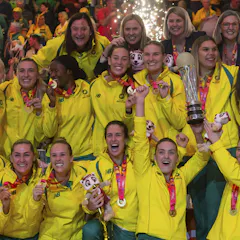
On August 6, the Australian Diamonds won the Netball World Cup for the 12th time – but it received a fraction of the coverage the Matildas are getting.
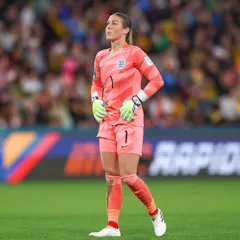
The merchandise and clothing available to fans of women’s teams is often limited, undesirable or just not available.
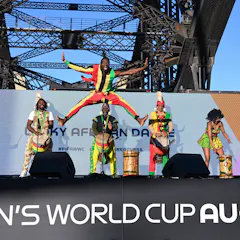
Fifa is facing a bumpy road to balancing money and moral aspects of growing the Women’s World Cup.

The implications of the Canadian women’s soccer team’s World Cup loss goes beyond Canadian national pride.

Gender disparities in sport extend to injuries too. Female soccer players are at greater risk for ACL tears than males and it is clear immediate action is needed to address the non-biological factors for the injury.
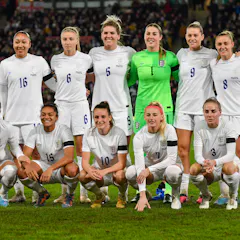
The higher profile of the 2023 Women’s World Cup and the excitement around it should not fool people into thinking the female game ‘has made it’.
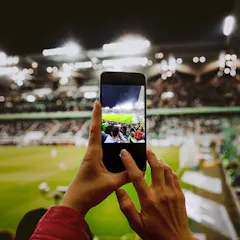
If the FA aims to promote both their men’s and women’s national teams equally, my findings suggest they should reassess their current social media strategy.
Top contributors
-

Football Consultant & Visiting Senior Lecturer in Strategy and Governance in Women's Football, University of Portsmouth
-
Associate professor, California State University, Fullerton
-
Lecturer of Communication, Sports Media, Deakin University
-
Vice-Chancellor Independent Research Fellow, Sport, Business and Society Research Group, Loughborough University
-
Senior Lecturer, Western Sydney University
-
Senior Lecturer, School of Business, Western Sydney University
-
Adjunct Lecturer at the Centre for Justice, Queensland University of Technology
-
Associate Professor in Accounting and Sport Finance, University of Portsmouth
-
Professor in Sociology of Sport and Gender, University of Waikato
-
Senior Lecturer, School of Business, Western Sydney University
-
Professor, Kinesiology & Physical Education; Fellow, Balsillie School of International Affairs, Wilfrid Laurier University
-
Professor and Chair of Allied Health Studies, Stephen F. Austin State University
-
Senior Researcher, Department of Family Practice, University of British Columbia
-
Researcher and Senior Lecturer, University of Wollongong, APA Sports Physiotherapist, University of Wollongong
-
Senior Lecturer in Physiotherapy and Post-doctoral Research Fellow, La Trobe University