
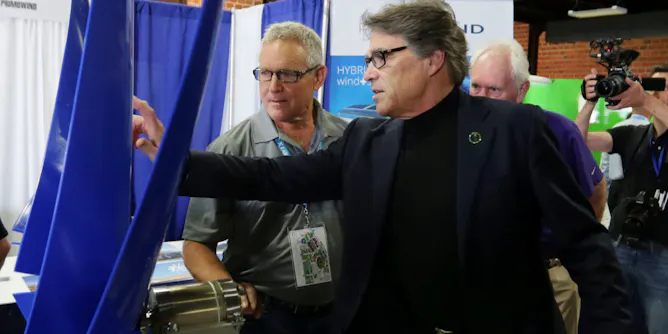
There are some good explanations for the mismatch between regional support for climate action and the areas where renewable energy is making the biggest inroads.
Articles on Wind energy
Displaying 81 - 100 of 146 articles
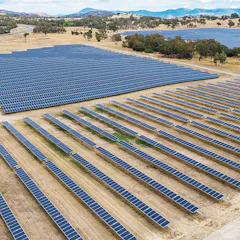
Australia could be getting half of its electricity from renewable energy by 2025, even without government subsidies for new wind and solar projects, according to a new analysis of energy industry trends.

Scientists have modelled the effects of huge hypothetical energy projects in the desert.
Taking millions of gallons of water permanently out of the Colorado River amid a prolonged drought would surely start an interstate fight.
Generating less electricity with fossil fuels could help save lives.
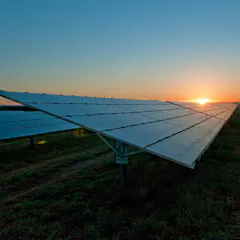
Large-scale solar and wind tend to push energy prices down, which sounds great as a consumer. But that makes keeping the grid in constant balance harder.

Several states, including Massachusetts and Rhode Island, have developed ambitious renewable energy targets that hinge in large part on getting their power from turbines stationed in the water.
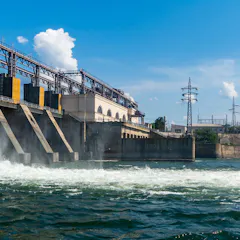
Annual water requirements of a PHES-supported 100% renewable electricity grid would be much less than the current fossil fuel system, because wind and PV do not require cooling water.
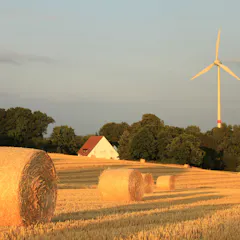
While wind energy is often perceived as controversial, that may be due to the tyranny and power of unrepresentative anecdotes.

Experts expect the wind business to remain brisk in the US and abroad, on land and offshore.

As fusion becomes more technically viable, it’s time to assess whether it’s worth the money because breakthroughs in the lab don’t guarantee success in the marketplace.

With cutting-edge technologies and innovative business practices, Cape Verde can achieve its goal in a way that is cost-effective and equitable
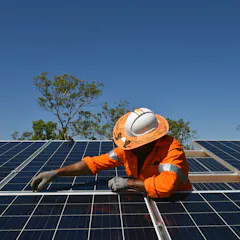
The price of renewable energy will fall significantly relative to new-build coal in coming decades, making an all-renewable electricity system more desirable, both economically and environmentally.
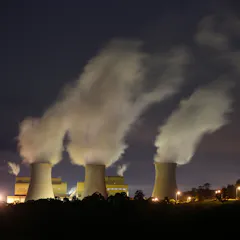
On Q&A, an audience member said renewable energy is ‘now cheaper than coal’. Senator Matt Canavan disagreed, saying renewables are not ‘at the moment, cheaper than coal’. Let’s look at the numbers.
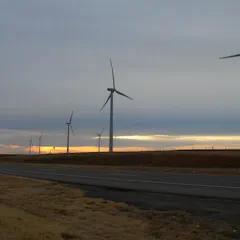
If history is a guide, policies that promote wind power expansion will lead to lower prices – potentially beating fossil fuels in the US by 2030.
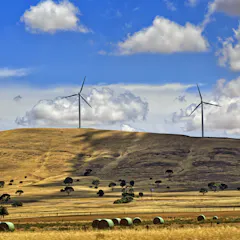
The South Australian and federal governments’ energy feud reached a peak this week, but just who is responsible?
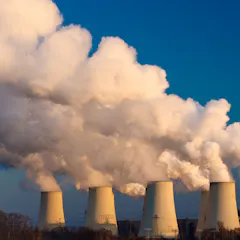
Nobody in business wants to touch new “clean” coal plants, which means taxpayers would be left to foot the billion-dollar bills.
Global emissions from fossil fuels have stalled. That puts us in the right place to keep warming below 2°C, but there’s plenty of work still to be done.
South Australia’s recent blackout raised questions about the role of wind energy in Australia’s electricity network.
Australia has the world’s largest wave energy resource – so how do we unlock our ocean’s potential?
Top contributors
-

Professor of Engineering, Australian National University
-
Senior Research Associate, Renewable Energy & Energy Systems Analyst, UNSW
-
Senior Fellow in Energy and Climate Change, Grattan Institute
-
Professor of Mechanical Engineering, UMass Amherst
-
Research Fellow, ANU College of Engineering and Computer Science, Australian National University
-
Distinguished Professor of Industrial Engineering and Faculty Director of The Energy Transition Institute, UMass Amherst
-
Emeritus professor, Australian National University
-
Professor Emeritus, Macquarie Business School, Macquarie University
-
Professor of Political Economy, Utah State University
-
ARC Australian Laureate Professor, University of Tasmania
-
Honorary Associate Professor, UNSW
-
Assoc Prof. Renewable Energy, Monash University
-
Professor of Law, Deakin University
-
Lecturer in Environmental planning, Cardiff University
-
Senior Lecturer, University of Newcastle