
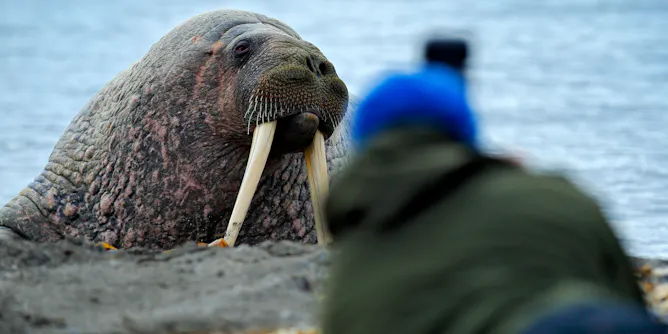
Any law that protects threatened wildlife should be welcomed – but a ban alone will not prevent illegal activity.
Articles on Wildlife trade
Displaying 21 - 40 of 54 articles

Most wildlife is trafficked openly, while dark web markets sell animals, plants and fungi as drugs. But this could change if there’s a clampdown on open trade.
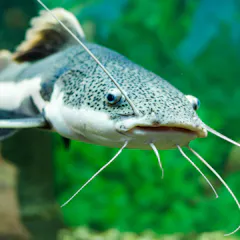
Trade in exotic pets online is far more prevalent and diverse than previously thought. Threatened species, invasive species and banned imports are all for sale.
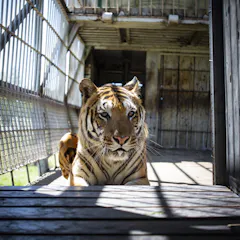
Tigers exist in South Africa because they’re being intensively farmed for commercial trade in live individuals or their body parts.
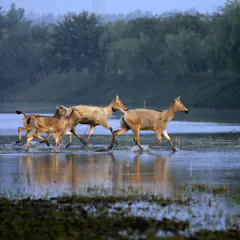
China has rich natural resources and is seeking to play a leadership role in global conservation, but its economic goals often take priority over protecting lands and wildlife.
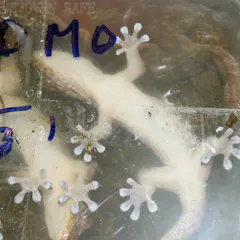
Tackling this global problem requires an international effort – particularly by rich nations where the demand for exotic pets is increasing.

For the lab leak theory to be true, SARS-CoV-2 must have been present in the Wuhan Institute of Virology before the pandemic started. But there’s not a single piece of data suggesting this.

International proposals to ban the trade of polar bear parts undercut Inuit rights, knowledge and decision-making.
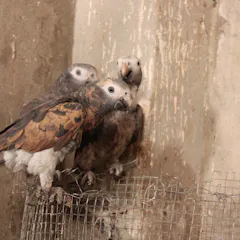
Social media platforms have enabled wildlife traders to connect as never before. Some operate legally, within the boundaries of international laws. Others are less scrupulous.
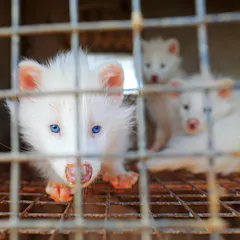
In China, the wildlife trade is thriving, driven by the increased demands for luxury goods and traditional medicine. But there is real concern about the threat of diseases that can cross over to humans.
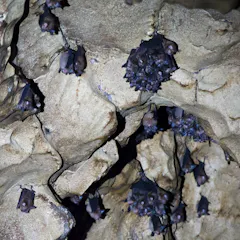
How can nations prevent more pandemics like COVID-19? One priority is reducing the risk of diseases’ jumping from animals to humans. And that means understanding how human actions fuel that risk.
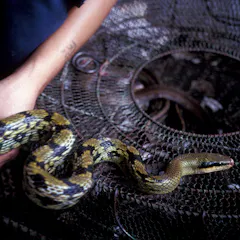
We analysed the legal systems regulating the wildlife trade in China. Here’s what we found.
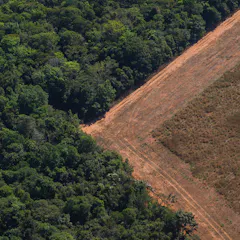
The pandemic has brought humanity’s strained relationship with nature into sharp focus.
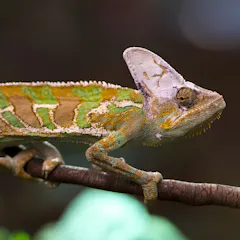
Reptiles are consistently overlooked by regulators of the trade in wildlife, but many face extinction in the wild.
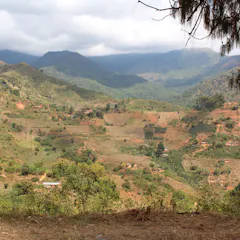
Enforcement at protected areas is key way to prevent bushmeat poaching, but it’s also important to recognise the contribution bushmeat makes to livelihoods, incomes and food security.
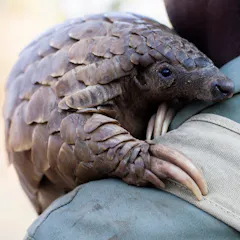
Yellow fever, malaria and Ebola all spilled over from animals to humans at the edges of tropical forests. The new coronavirus is the latest zoonosis.
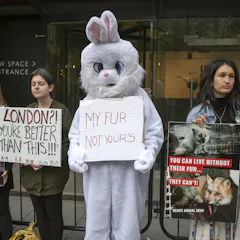
The COVID-19 pandemic has cast a harsh light on global commerce in wildlife. But many accounts focus on demand from Asia, ignoring the role of US and European consumers.
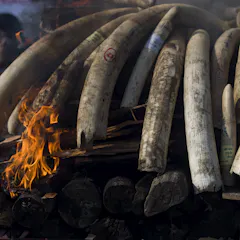
In the 1800s, Americans hunted many wild species near or into extinction. Then in the early 1900s, the US shifted from uncontrolled consumption of wildlife to conservation. Could Asia follow suit?
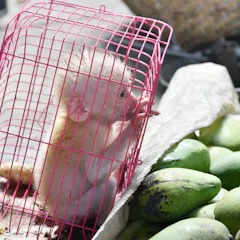
Ecological systems are at breaking point and a global economic collapse is under way. It’s time to invest in risk mitigation to prevent another COVID-type disaster.
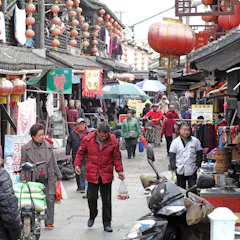
Stressed animals are more likely to harbour new diseases because their immune systems are compromised.
Top contributors
-

Director of the Wildlife Crime Research Hub, Australian Research Council Industry Laureate Fellow, Adelaide University
-
Visiting Research Fellow, Manchester Metropolitan University
-
Senior Research Fellow, Oxford Martin Programme on the Wildlife Trade, University of Oxford
-
Senior Lecturer of Criminology, Nottingham Trent University
-
Senior Research Fellow, Conservation Science and Policy, University of Oxford
-
Professor of Law and Environmental Justice, Anglia Ruskin University
-
Research Associate, Fitzpatrick Institute of African Ornithology, University of Cape Town
-
Postdoctoral research fellow, Adelaide University
-
PhD Student, Adelaide University
-
Ph.D. student at the Invasion Science & Wildlife Ecology Group, Adelaide University
-
Visiting Research Fellow, Manchester Metropolitan University
-
Research Fellow in Conservation Marketing, University of Oxford
-
Research Associate, Department of International Relations, University of the Witwatersrand; Chief Research Officer, Good Governance Africa; Managing Director, Harvey Economics Pty Ltd.
-
Oxford Martin Fellow, Research Associate, Illegal Wildlife Trade, University of Oxford
-
Investigadora Doctora en Etología y Bienestar Animal, Universitat de València