
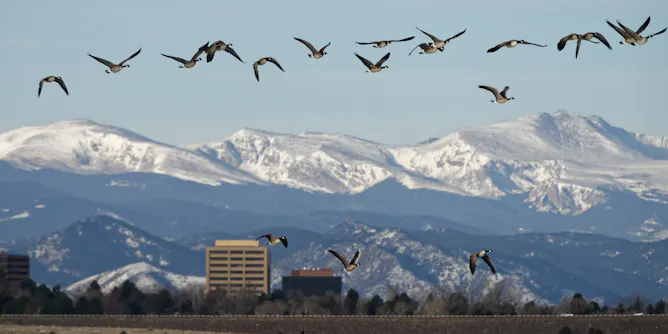
Although Canada geese were not purposely reintroduced in urban areas, many have made cities their permanent homes.
Articles on Wildlife management
Displaying all articles
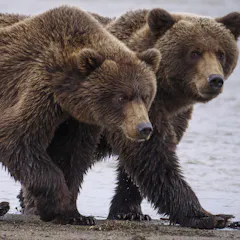
Recent advances in computer vision and other types of artificial intelligence offer an opportunity for facial recognition to apply to bears and other animals.
Whether people are hunters can have a big effect.
Many animal species can be detected using a simple, low tech method of collecting DNA from the environment.

International proposals to ban the trade of polar bear parts undercut Inuit rights, knowledge and decision-making.

Determining the age of fish has been historically difficult, primarily involving lethal methods. A new DNA test solves this problem.
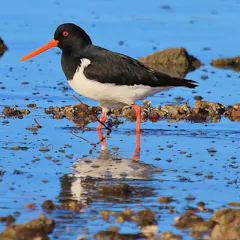
When scientists first thought to deceive predators with bird smells, the idea seemed crazy. But after seeing how fake news messes with the minds of both humans and animals, it now makes sense.
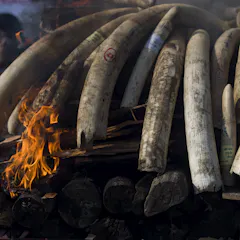
In the 1800s, Americans hunted many wild species near or into extinction. Then in the early 1900s, the US shifted from uncontrolled consumption of wildlife to conservation. Could Asia follow suit?
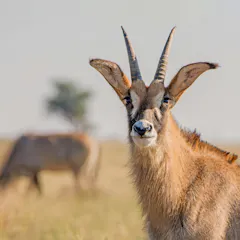
Kenya can save its roan population if it re-stocks from other countries, eliminates poaching and improves their habitat.
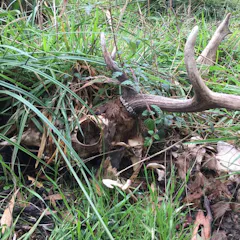
The NSW government has announced plans to remove feral deer from its list of official game animals. With careful monitoring, the resulting free-for-all could help curb their booming numbers.
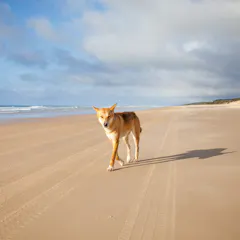
Management practices that don’t consider the history, ecology and social circumstances of dingo populations help drive their aggression towards people.
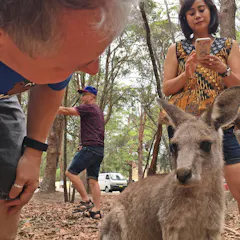
Here’s some advice on taking selfies with wild animals: don’t. It’s not fun for the animal, and can have serious knock-on effects for their health. And you could be injured (or worse).

Wildlife hunts are supposed to be grounded in sound science, but new research casts doubt on this assumption.
Top contributors
-

Adjunct Lecturer/ Ecologist, University of New England
-
CSIRO
-
Assistant Professor of Environmental Biology and Faculty Co-Director of Center for Native Peoples and the Environment, State University of New York College of Environmental Science and Forestry
-
Associate Professor of Human Dimensions of Natural Resources, University of Montana
-
Lawyer, Queensland University of Technology
-
Discovery Early Career Research Fellow, University of Sydney
-
Research Professor at NCSU and Scientist at NC Museum of Natural Sciences, North Carolina State University
-
Ph.D. student, University of Sydney
-
Associate Professor of Anthropology, University of Pittsburgh
-
Senior Lecturer, Department of Wildlife Management, University of Eldoret
-
Adjunct Marine Affairs Program, Dalhousie University
-
Senior Research Fellow and Field Director, Makerere University Biological Field Station, Makerere University
-
Associate Professor, Global Ecology, University of Sydney
-
Professor of Conservation Biology, School of Life and Environmental Sciences, University of Sydney
-
Professor of Practice in Wildlife Management, University of Nebraska-Lincoln