
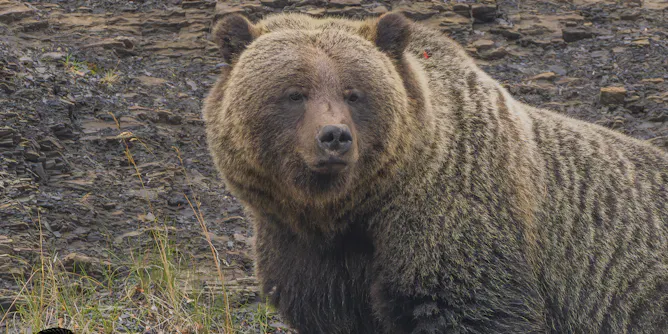
Hunting advocacy organizations and politicians are inciting a moral panic about grizzly bears, oversimplifying an inherently complex ecological problem.
Articles on Grizzly bears
Displaying all articles

Current laws that deem species safe from extinction ignore their ecological role, geographic range and genetic diversity, as well as their relationships with people.

The key to understanding shifts in climate and life on Earth is sustained long-term research. Enabling this research to take place should be a priority for universities and governments.
Whether people are hunters can have a big effect.

We need to understand how bears are affected by climate change, and how those stresses might create new risks for humans.
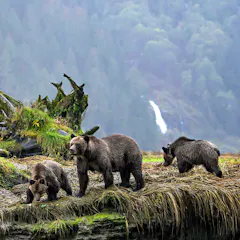
Genetic analysis of grizzly bear populations in British Columbia has revealed a connection in how bear and human cultures may have responded to the landscape.
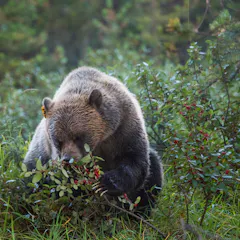
As warming temperatures shift the availability of key food sources, Alberta’s grizzly bears will be forced to adjust.

Never before have grizzly bears, black bears and polar bears been found living in the same place.

Wildlife hunts are supposed to be grounded in sound science, but new research casts doubt on this assumption.
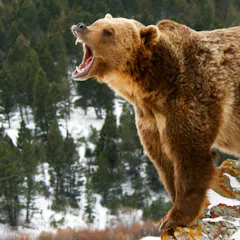
A bitter debate has erupted over the British Columbia government’s recent decision to end grizzly bear trophy hunting. Here are the pros and cons of stopping the hunt.
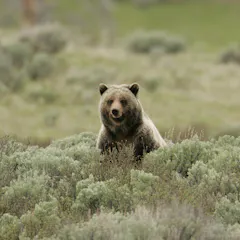
The grizzly bear of Yellowstone is expected to be delisted from the Endangered Species Act. But a survey of grizzly bear researchers finds flaws in how wildlife experts evaluate scientific data.
Top contributors
-

Associate Professor in Human Dimensions of Environment & Sustainability, University of Saskatchewan
-
Professor, Department of Community Sustainability
-
Assistant researcher, University of Alberta
-
Associate Professor of Risk Analysis and Decision Science, The Ohio State University
-
Professor, Michigan Technological University
-
PhD Graduate, University of Calgary
-
Associate Professor of Human Dimensions of Natural Resources, University of Montana
-
PhD Student, Applied Conservation Science, University of Victoria
-
Council, Wuikinuxv First Nation
-
Professor, Department of Geography, University of Calgary
-
Professor, University of Alberta
-
Assistant Professor of Environmental Biology and Faculty Co-Director of Center for Native Peoples and the Environment, State University of New York College of Environmental Science and Forestry
-
Professor of Biology, Trent University
-
Distinguished Professor of Conservation Biology & Policy, University of Montana
-
Ph.D. Student in Wildlife Biology, University of Montana