
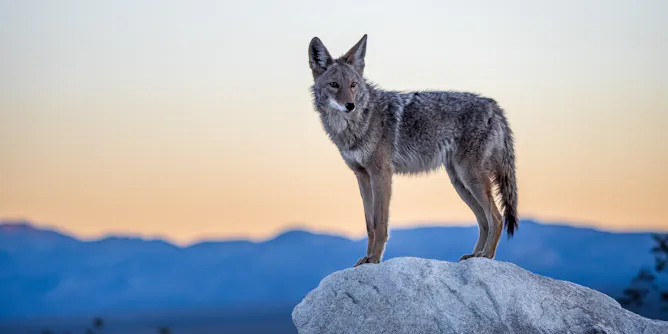
Wolves and coyotes feed on similar things – but their diets aren’t identical. A researcher studied predator diets to investigate their differences.
Articles on Wildlife ecology
Displaying all articles
Urban coyotes prey on rodents and spread plant seeds. It’s OK to observe them from a distance, but then you should chase them off.
With careful observation, you can start to recognize that one sassy squirrel or the cardinal pair who call your neighborhood home.
Death is a natural part of ecosystems. But it’s unusual for a large number of animals to all die at once. Researchers are investigating how a mass mortality event affects what’s left afterwards.
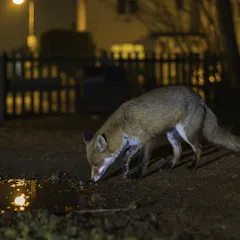
It’s becoming harder and harder for animals to find human-free spaces on the planet. New research suggests that to try to avoid people, mammals are shifting activity from the day to the nighttime.

Frogs and toads are declining around the world, with many species on the brink of extinction. Acting in time means trying strategies without complete information about how likely they are to work.
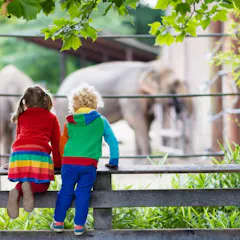
Zoos have come along way from their menagerie past. But society is increasingly demanding they become agents of conservation rather than entertainment.
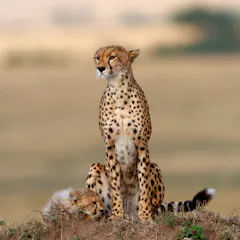
60% of the world’s largest carnivores and herbivores are classified as being threatened with extinction
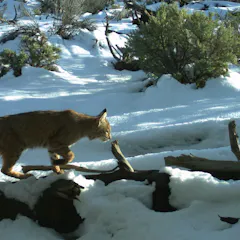
Land management in the United States has long focused on creating conditions that benefit game animals like deer and grouse. A conservation scientist explains why that approach is too narrow.
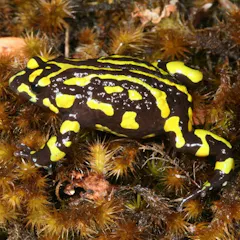
Chytrid fungus has already wiped out six species of Australian frogs since the disease arrived in the 1970s. Without urgent action, seven more are facing extinction.
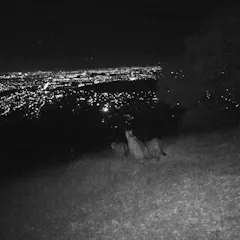
Many Americans move to rural areas to live near nature. But the mere presence of humans changes wildlife behavior in ways that may have ripple effects.
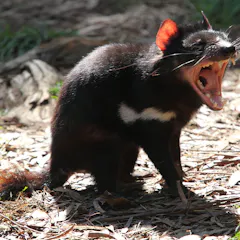
If we brought devils back to the mainland, they could play a similar role to dingoes - keeping foxes and cats under control and potentially boosting the conservation prospects of Australia’s small mammals.
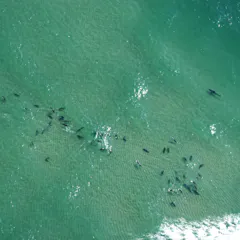
A rash of white shark attacks this summer points to a rebounding population in the US – a sign of healthier oceans and the need to coexist with this apex predator.
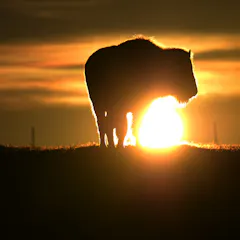
Restoring natural ecosystems doesn’t have to mean looking back to the past.

Sometimes the best way to deal with mountains of data is to turn to the public for help. That’s what Snapshot Serengeti did to classify millions of photos from savanna camera traps in Tanzania.
Top contributors
-

Research Fellow in Ecology, Australian National University
-
Assistant Professor of Urban Wildlife Ecology and Conservation, George Mason University
-
Wildlife cinematographer and PhD graduate, UNSW
-
Professor, Applied Evolutionary Ecology, Laurentian University
-
Ph.D. Candidate in Environmental Science, Policy and Management, University of California, Berkeley
-
Senior Lecturer, School of Environment, Science & Engineering, Southern Cross University
-
Postdoctoral Researcher, Penn State
-
Associate Professor of Fish, Wildlife and Conservation Biology, Colorado State University
-
The University of Melbourne
-
Director, Florida Program for Shark Research and Coordinator of Museum Operations, Florida Museum of Natural History, University of Florida
-
Course Director, MSc Biodiversity, Conservation and Management, University of Oxford
-
Professor, Evolution and Ecology Research Centre, UNSW
-
The University of Melbourne
-
Assistant Professor of Natural Resources Science, University of Rhode Island
-
Ph.D. Candidate in Conservation Biology, University of California, Santa Cruz