

A new mapping tool allows local governments, conservation groups and landowners to understand how their land-use decisions affect wildlife and natural resources.
Articles on Wildlife corridors
Displaying all articles
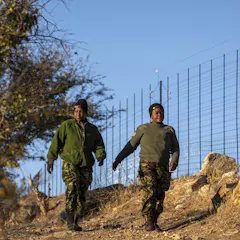
Nature reserve fences can protect wildlife and people, but they also break up natural landscapes, restrict animal movement, and affect nearby communities.
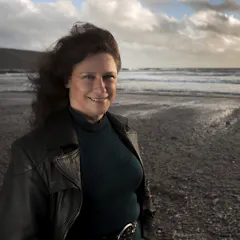
An ecologist at the IPCC for over 25 years, Camille Parmesan, who is also a refugee scientist, explains how to preserve biodiversity on a warming planet.
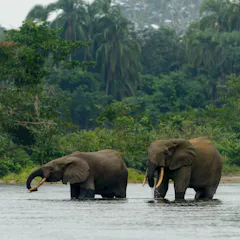
Setting up the world’s biggest giant tropical forest reserve in the Congo Basin is a step towards conserving the area and creating jobs for local communities.

The Florida Wildlife Corridor, which turns 15 this year, connects habitats across the state for panthers, bears, sparrows and other species.
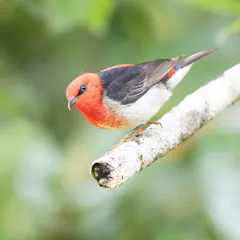
Better urban planning can help stem the loss of birds by protecting and connecting the areas of habitat they need to survive.

As the world’s population grows, contact between humans and wildlife will increase in more than half of Earth’s land areas. A new study shows where the largest changes will occur.
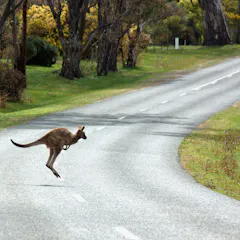
Double-lane freeways can act as lethal walls to wildlife. We found underpasses work well to give animals safe crossing.
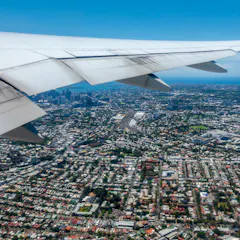
Seen from above, parts of our cities now have very little green space, and we’re losing the green corridors that enable wildlife to move between the remaining urban habitats.
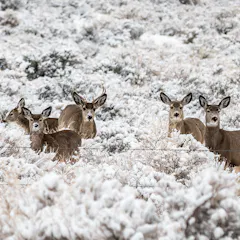
Outdoor recreation is booming across the US, but research shows that the presence of humans – or the trails they hike and ski on – can have harmful effects on wildlife at less-than-close range.

Sat-navs could one day warn motorists when they drive through high-risk areas.
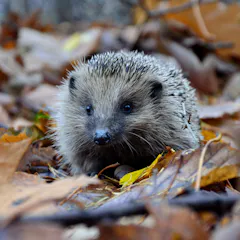
For every kilometre of road in Europe, you’re likely to find one dead hedgehog.
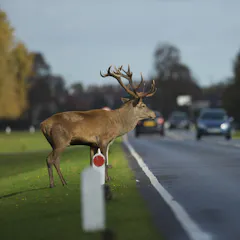
Roads and traffic are causing massive mortality of wild animals worldwide and the road network is rapidly expanding. Can the wildlife death toll be stopped?

A new plan targets areas around the world that can store carbon and protect large numbers of species. It calls for preserving these lands, working with Indigenous peoples and connecting wild areas.
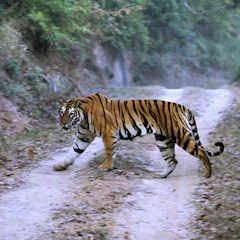
A new study forecasts that thousands of miles of new road construction will cut through tiger habitat across Asia by 2050. Planning can make these projects more tiger-friendly.
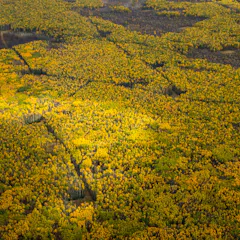
New research identifies areas where species may take refuge as the climate changes and finds they’re largely unprotected.
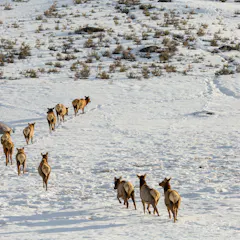
What is the best way to conserve US national parks in a climate-altered future? One answer is connecting parks and other public lands, so plants and animals can shift their ranges.
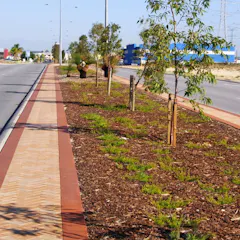
It is possible to use small spaces such as transport corridors, verges and the edges of sporting grounds for native wildlife habitat restoration, helping to bring biodiversity back into cities.
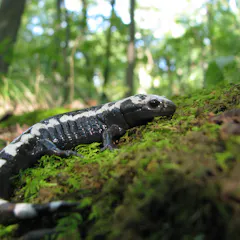
Animals and plants will need escape hatches to move to cooler climes as the planet warms, but few parts of the U.S. have the natural habitat available for these migrations.
Top contributors
-

Associate Professor of Wildlife Conservation, University of Michigan
-
Research Associate Professor of Landscape Architecture, University of Florida
-
Tenure Track Researcher in Animal Ecology, Aarhus University
-
Assistant Professor, Georgia Institute of Technology
-
Visiting Senior Research Scholar, University of Richmond
-
Postdoctoral researcher, Universidade Federal do Rio Grande do Sul (UFRGS)
-
Associate Professor, Geography, Planning and Environment, Concordia University
-
Director, Theoretical and Experimental Ecology Station (SETE), Centre national de la recherche scientifique (CNRS); University of Plymouth; The University of Texas at Austin
-
Postdoctoral research fellow, German Centre for Integrative Biodiversity Research
-
Lecturer in Wildlife Conservation & Biology, Southern Cross University
-
Director, Center for Global Discovery and Conservation Science and Professor, Arizona State University
-
Affiliate Faculty in Fish, Wildlife and Conservation Biology, Colorado State University
-
Adjunct Assistant Professor, University of Wyoming
-
Senior Research Associate, School of Agriculture, Food and Ecosystem Sciences, The University of Melbourne
-
Vice Chancellor's Research Fellow in Ecology and Entomology, Edith Cowan University