
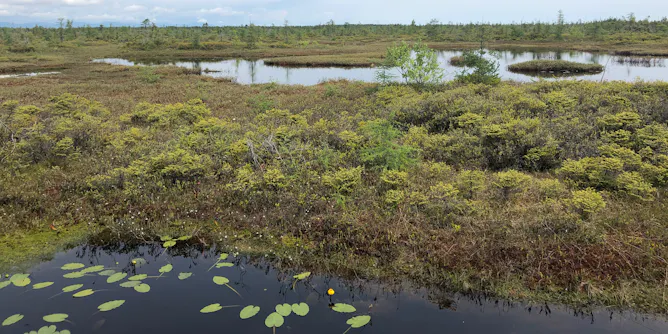
Canada is home to a quarter of the world’s remaining wetlands. Despite decades of efforts, wetlands continue to be under threat around the world.
Articles on Wetland restoration
Displaying all articles
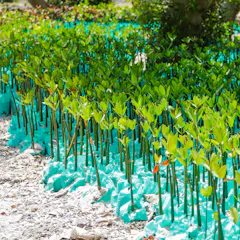
Universities in Senegal and South Africa are now teaching the skills of setting up nature-inspired projects to deal with some of the problems of climate change.

Why wetlands are so useful in an increasingly unpredictable climate.
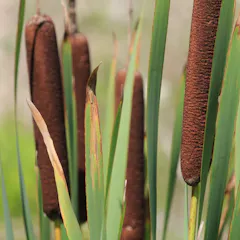
Māori used all parts of raupō for weaving and food, but the plant also kept lakes healthy. This connection between cultural and ecological roles means its fate is closely linked with people.

New research shows that northern peatlands may not help regulate our climate by the end of the century.
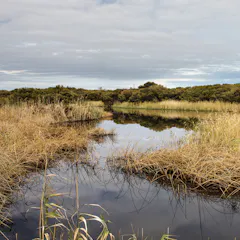
Cities are starting to restore natural systems such as waterways, wetlands and bushland. But restoration on the scale these systems need to function properly calls for a rethink of urban planning.
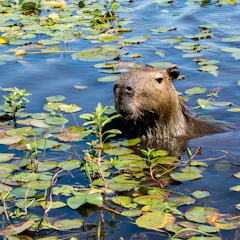
The swamp has not yet been drained everywhere.
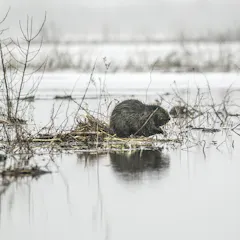
Restoring entire ecosystems is a difficult and expensive process. Thankfully, certain species, called ecosystem engineers, can make restoration easier. Gaining social and political support is critical too.
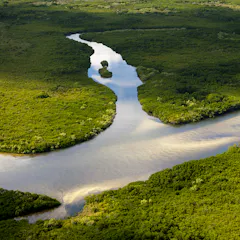
Wetlands bear the brunt of much storm damage to the coast. But over the past 300 years, 85% of the world’s wetland area has been destroyed.
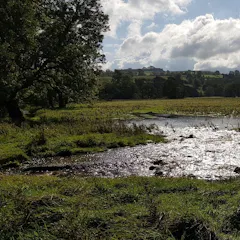
Flooding isn’t always destructive – it can be part of our toolkit for restoring ecosystems.
Western science often focuses on specific parts of complex ecosystems, but Indigenous knowledge systems consider all parts as interconnected and inseparable. This achieves better conservation results.
Top contributors
-

PhD Candidate, University of Canterbury
-
Social Scientist, Cawthron Institute; University of Canterbury
-
Science + Technology Editor, The Conversation
-
Practice Professor of Architecture, Monash University
-
Professor of Conservation Genomics, University of Canterbury
-
Senior Lecturer in Urban Planning and Design, Monash University
-
Professor in Natural Sciences, Bangor University
-
Professor of Community & Landscape Resilience, University of Idaho
-
Honorary Research Fellow in Hydromorphology, University of Salford
-
PhD Student in Computational Biology, USC Dornsife College of Letters, Arts and Sciences
-
Postdoctoral researcher, marine ecology, Adelaide University
-
Associate Professor in Water Science, University of Birmingham
-
Professor of Freshwater Ecology, University of Canterbury
-
Associate Science Editor & Co-Host of The Conversation Weekly Podcast, The Conversation
-
Professor, School of Earth, Environment & Society, McMaster University