
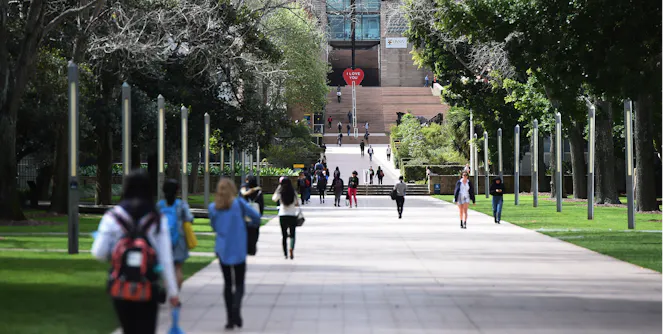
From the 20th-century process of policy trial and error, the nations that married the strengths of markets and government came out ahead.
Articles on Welfare state
Displaying 41 - 60 of 67 articles
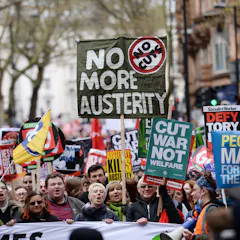
New research on the future of the welfare state found people lack confidence in the whole system of government, rather than individual politicians.
From a certain perspective, we’re already on the road to practicing a ‘progressive eugenics’ not a million miles away from what was imagined historically.
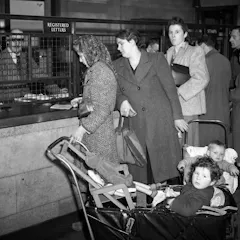
Thousands queued to buy the report by William Beveridge that would lay the foundations for Britain’s modern welfare state.

It was meant to provide a more streamlined and coherent system – but it isn’t working.

The rollout of the new benefit system will not be paused – but it is causing real hardship.

New research on implicit attitudes to people who receive benefits shows how pervasive hostility towards them is.

This problem masks a greater threat to the welfare state than it first appears.
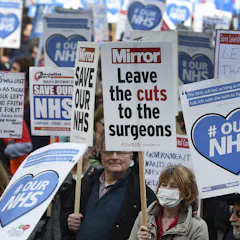
Labour’s pro-NHS, anti-cuts message appealed to both Leavers and Remainers.

One policy above all others will haunt the Tory election campaign to the bitter end.

Governments have come to realise that no one sector acting alone has the capacity or capability to solve complex social policy problems.
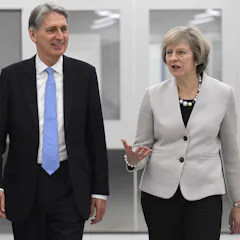
Changes to the national insurance tax for self-employed people was one of the most controversial parts of the 2017 spring budget.
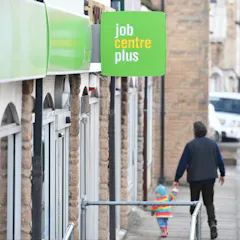
Fewer than half a million people are currently receiving the new, simplified benefit according to newly released data.

Pencil by default: the digital skills demanded by the welfare system may baffle Daniel Blake, but he is resourceful, creative and willing to work.

Individual cases that seem on the outside to be morally problematic are difficult to assess, and shouldn’t also be held up as the norm.

New report shows millions in the UK are denied essential financial services because of disability, disease and age.
On welfare reform, it’s a question of listen and learn.

Providing citizens with a basic income has shown signs of success in lifting people out of poverty, but more importantly the idea is transforming the way we think about inequality.
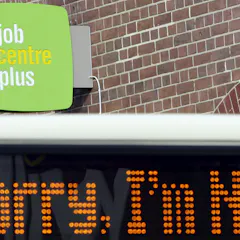
The welfare state increases the number of children born at risk of developing personality profiles that make them less likely to get a job.

Victorian schools were alien territory for children, and after World War II many schools were crumbling and unsafe.
Top contributors
-

Visiting Fellow, School of Policy Studies, University of Bristol
-
Professor, Crawford School of Public Policy, Australian National University
-
Research Professor in Contemporary British History, King's College London
-
Visiting Academic, The Open University
-
Professor of Social Policy, University of Kent
-
Auguste Comte Chair in Social Epistemology, University of Warwick
-
Emeritus Professor of Social Inclusion, University of Portsmouth
-
Professor of Sociology of Youth and Culture, University of Leeds
-
Professor of Social Policy, University of York
-
Professor of Economics and Senior Researcher, Princeton University
-
ANZSOG Adjunct Research Fellow, Curtin University
-
Professor in Social Policy, University of Glasgow
-
Lecturer, Federation University Australia
-
Associate professor, University of Nottingham
-
Professor of Public Health, Newcastle University