
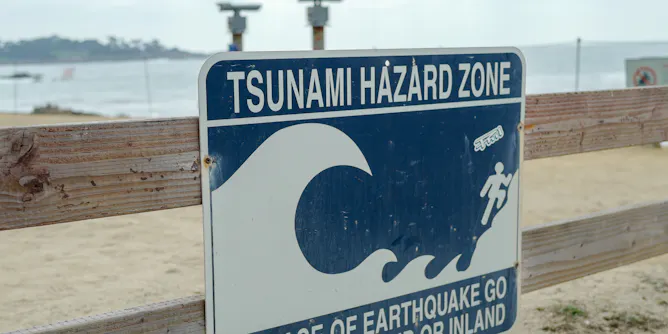
Tsunamis aren’t just bigger-than-average waves. Triggered by undersea earthquakes or volcanic eruptions like the one in Tonga, they are fast, massive and potentially destructive. Here’s why.
Articles on Waves
Displaying 21 - 40 of 59 articles
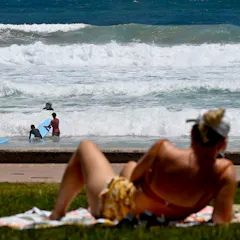
Australians tend to be fairly relaxed about the tsunami risk. But warnings from authorities to stay away from foreshore areas should not be ignored.
Surfing’s benefits to well-being aren’t often studied in economics terms. This is a major gap in our knowledge we’re now trying to fill.

Tracking the pandemic’s waves enables authorities and policy makers to take action to keep new waves at bay.
Olympic surfers are coming from around the world to compete in surfing’s Olympic debut. But where will the waves come from?
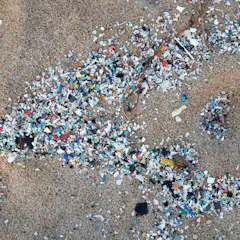
New research suggests that an effective way to locate and track large concentrations of microplastics in the ocean could be from high in the sky.
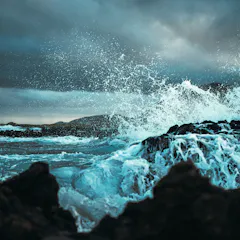
New research looked at wave conditions over the past 40 years, and found wave power has increased since at least the 1980s, mostly in the Southern Hemisphere.
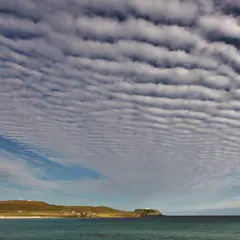
Internal waves can create pretty cloud shapes in the sky, as well as making life unpleasant for passengers on aeroplanes. And in the oceans they can be a deadly hazard to submarines.
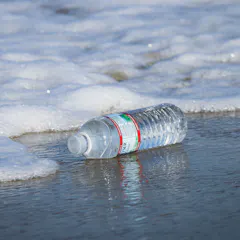
Each bit of plastic takes a unique journey once it reaches the ocean. We’re trying to spot the patterns.
Field theory describes the universe as energy flowing along unending lines. With this perspective, it is possible to define a new fundamental building block of matter.
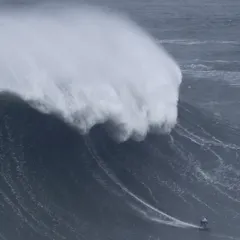
Some beaches in the world tend to consistently produce huge waves. Places like Nazaré Canyon in Portugal and Mavericks in California are famous for their waves because of the shape of the seafloor.
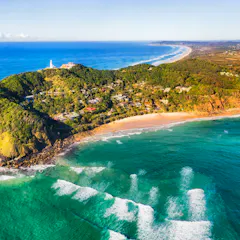
Over the past six months, tourists and locals have been shocked to see Byron’s famous Main Beach literally disappearing. Satellite imagery and local knowledge has revealed what’s going on.
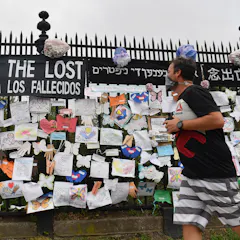
There’s no scientific definition for a wave of disease – and no evidence that the original onslaught of coronavirus in the US has receded much at all.
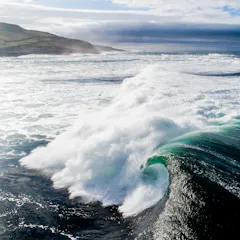
There’s much more to waves than the part you see at the beach.
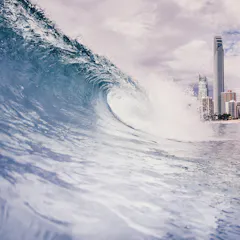
A warming climate will affect the way waves hit over 50% of the world’s coastlines, increasing erosion and the risk of flooding.
Waves occur in all sorts of places, and it’s possible that waves you might see breaking at the beach are at the end of a very long journey.
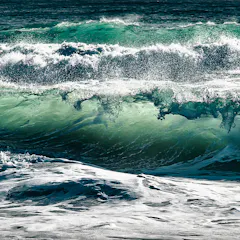
If you’ve never heard of a form of wave called a ‘seiche’ – which can occur in swimming pools during earthquakes – this is your chance to catch up.
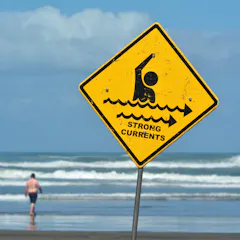
It’s good to know how currents are formed in the ocean, as they can be quite dangerous!
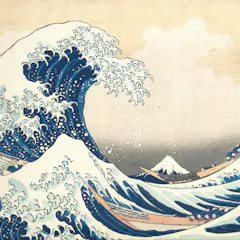
Recreating freak waves can tell us a lot about the nature of the sea.
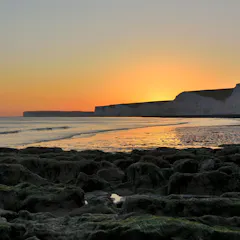
Waves lap against the shore on the south coast of England and the North coast of France – but the answer to this puzzle is in the wind and the land, not the waves themselves.
Top contributors
-

Associate Professor of Climate Science, Brandeis University
-
Associate Professor, UNSW
-
Senior Principal Research Scientist, Environment, CSIRO
-
Professor, Kyoto University
-
Kernot Professor of Engineering, The University of Melbourne
-
Honorary Senior Lecturer, Department of Civil and Environmental Engineering, University of Auckland, Waipapa Taumata Rau
-
Research Scientist, Energy Economist, CSIRO
-
Professor of law and ocean sciences, University of Southampton
-
Professor, Fluid Dynamics, Swinburne University of Technology
-
Research Engineer, CSIRO
-
Principal Research Scientist in Extreme Weather, The University of Melbourne
-
Professor, Australian National University
-
Assistant Professor of Physics and Astronomy, West Virginia University
-
Postdoctoral Researcher, Australian National University
-
Professor of Earthquake Science, The University of Melbourne