

There’s an urgent need to put water higher on South Africa’s agenda. Various water problems are escalating at a rapid rate.
Articles on Water restrictions
Displaying all articles
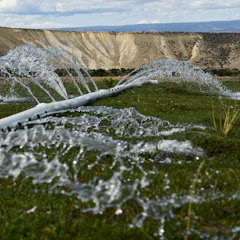
Stemming the water crisis in the western US will require cities and rural areas to work together to make water use on farms – the largest source of demand – more efficient.
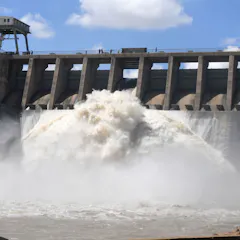
Gauteng citizens need to know the uncomfortable truth: for the next six years, their water supplies will increasingly have to be restricted.
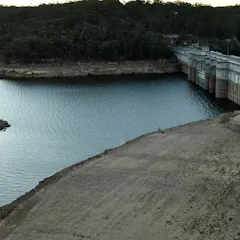
Australia’s capital cities have collectively lost 30% of their stored water over the last six years. But this loss is not evenly distributed across the country.
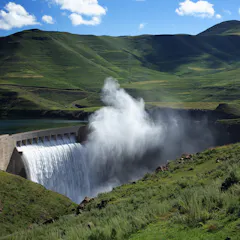
South Africa’s Department of Water and Sanitation has plans in place to ensure adequate water supply until 2040 and beyond.

Decision making on water infrastructure in peri-urban areas is challenging. But lessons have been learnt from a water project in Mozambique.
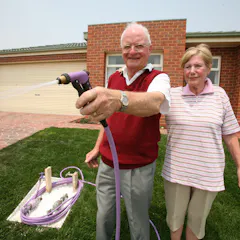
Cities relied entirely on conserving and recycling water to get through the last big drought. We now have desalination plants, but getting the most out of our water reserves still makes sense.

Research shows water restrictions can mean well-off households have to cut down on leisure and luxury. For disadvantaged households, and particularly women, it is a different story.

If you want to live like a local when on holiday, you should defecate like one.

It’s important for the city of Cape Town to inspire residential trust in water restrictions. Without this, the harsh effects of the drought will be exacerbated.
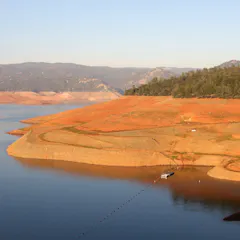
California’s drought is dragging on into its fifth year. What can the state learn from Australia’s 15-year millennium drought?
Top contributors
-

Associate Professor in Environmental Science, Western Sydney University
-
Senior Lecturer, Western Sydney University
-
Visiting Adjunct Professor, School of Governance, University of the Witwatersrand
-
Associate Professor of Law, Monash University
-
Postdoctoral Research Fellow, Global Change Institute, University of the Witwatersrand
-
Research Director, Institute for Sustainable Futures, University of Technology Sydney
-
Research Director, Institute for Sustainable Futures, University of Technology Sydney
-
Associate Professor and Water Management Expert, University of South Africa
-
Regents Professor Emeritus and Morris K. Udall Professor of Law & Public Policy Emeritus, University of Arizona
-
Senior Lecturer in Health Policy | Associate Dean Learning and Teaching | Murdoch Business School, Murdoch University
-
Senior Lecturer in Statistics and Data Science, Te Herenga Waka — Victoria University of Wellington
-
Researcher, Murdoch University
-
Senior Lecturer, Murdoch University
-
Director, Institute for Sustainable Futures, University of Technology Sydney
-
Lecture, water and sanitation, Universidade Eduardo Mondlane