

Cities across the normally wet Northeast scrambled to reduce water use amid a 2024 drought. It was a reminder that drought isn’t a problem only in the West.
Articles on Day Zero
Displaying 1 - 20 of 28 articles
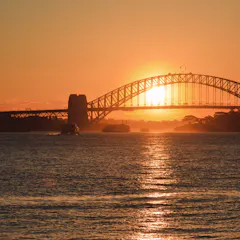
New research underscores the need to counter the effects of urban growth on drought by ensuring cities have enough green spaces to keep them liveable.
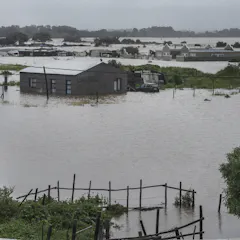
Cape Town’s storms caused severe flooding and extreme winds that fan wildfires. Early warning systems are important in protecting people from these dangers.
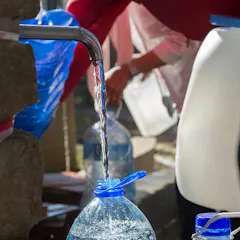
‘Water-shifting’ should not be a permanent measure. It does not address the cause of the current crisis.
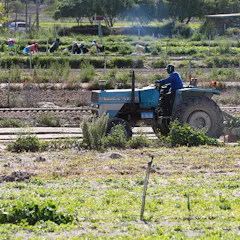
The work done by the campaign before, during and after the drought remains important for the food security of Cape Town
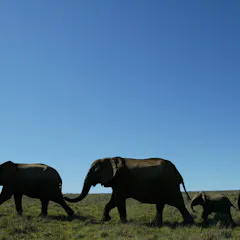
Political and social instability in the country, as seen in frequent mass protests and xenophobia, threaten the flow of African tourists.

Clearing alien trees before the drought hit could have reduced the impact of climate change on water supply during the ‘Day Zero’ drought.
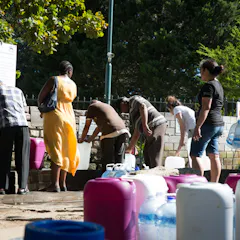
CC BY-NC-ND21.5 MB (download)
Academic research can have a direct impact on people's lives. It's crucial to come together to deal with problems like climate change. If we don't, the poor and vulnerable will suffer the most.
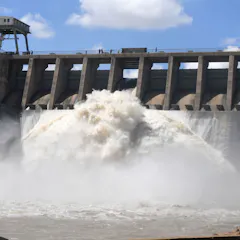
Gauteng citizens need to know the uncomfortable truth: for the next six years, their water supplies will increasingly have to be restricted.
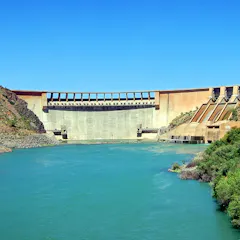
The agency will ensure that large water users such as municipalities, public utilities and large companies continue to fund the construction and operation of the large water systems they depend on.
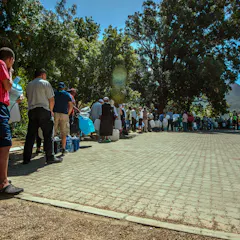
Artificially dimming the sun, by injecting reflective particles into the upper atmosphere, could reduce the risk of Day Zero level droughts in Cape Town by more than 90% in the future.
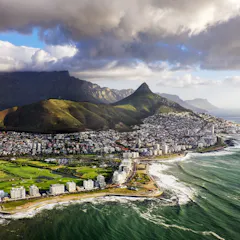
Regional tourism took a huge knock from the Day Zero experience in Cape Town, South Africa. Here are the lessons learnt.
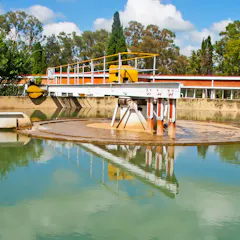
The real crisis with water supply is that South Africa doesn’t know what it doesn’t know.
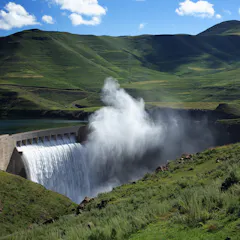
South Africa’s Department of Water and Sanitation has plans in place to ensure adequate water supply until 2040 and beyond.
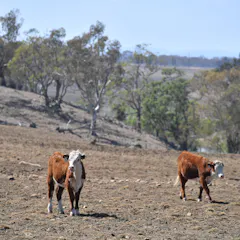
Once water is used in washing, cleaning or even sewerage it can be safely and reliably treated. The treated water is then safe to drink – identical to the original water.
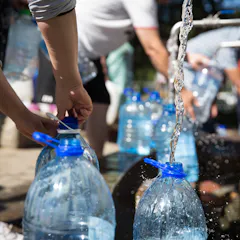
Cities need to pay attention to how extreme weather events effect their resources.
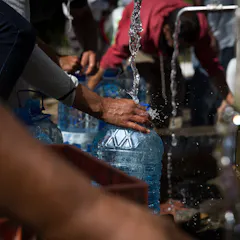
Cape Town’s draft strategy on water supply is out for comment, but important elements are missing from it.

There are regions in South Africa where it hasn’t been established if the rainy season is in summer or winter.
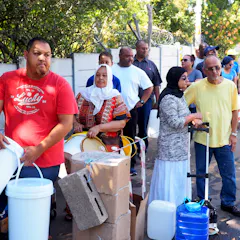
Water supply systems weren’t designed to deal with altering weather patterns brought about by climate change. This needs to change.
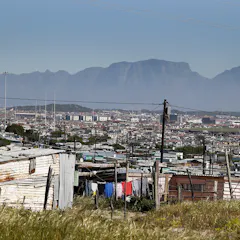
South Africa is a water-scarce country where inequity and a lack of fairness and justice pervades water distribution.
Top contributors
-

Visiting Adjunct Professor, School of Governance, University of the Witwatersrand
-
Research Chair, African Climate and Development Initiative, University of Cape Town
-
Postdoctoral Research Fellow, University of Cape Town
-
Director of African Climate and Development Initiative, Professor in Environmental and Geographical Science, University of Cape Town
-
Senior Researcher in Hydro-Climatology, University of Cape Town
-
Faculty of Human Sciences Acting Research Professor, Vaal University of Technology
-
Associate Professor, IRES, Institute for Gender, Race, Sexuality and Social Justice, University of British Columbia
-
Associate Professor, Department of Anthropology and Development Studied, University of Johannesburg
-
Professor of Geography, University of the Witwatersrand
-
Professor of Law, University of the Witwatersrand
-
Senior Professional Officer: Urban Systems, ICLEI - Local Governments for Sustainability
-
Senior Lecturer in Marketing, University of Nottingham
-
Distinguished Professor, Division of Family Medicine and Primary Care, Stellenbosch University
-
Public Health Registrar in the Division of Public Health Medicine, University of Cape Town
-
Professor of Physical Geography, University of the Witwatersrand