
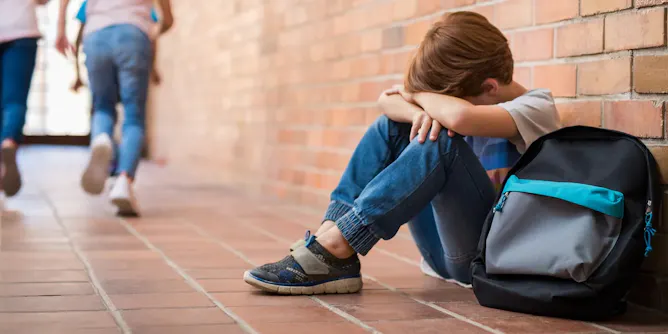
School closures under coronavirus have raised significant risks for vulnerable students who face maltreatment and exposure to violence. Here are five priorities to address when reopening schools.
Articles on Violence
Displaying 261 - 280 of 577 articles
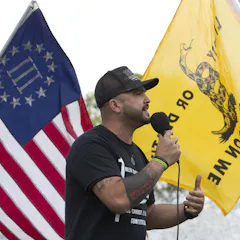
Militant far-right groups are always looking to appear legitimate and to recruit more Americans to their causes.
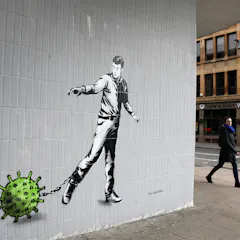
Coronavirus reveals how macho stereotypes like toughness, aggression and control can create harm.

The school playground is not just a place to have fun. It’s an important space to claim power and this is often done through violence.
Women who are released from prison need much better, coordinated support to help their transition back into the community without exposing themselves to violence.
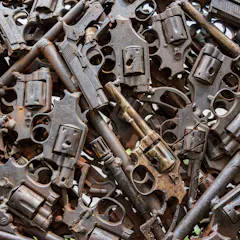
A researcher who fled crime-beset Mexico returns to interview the drug cartels behind so much of the violence, asking 33 ‘narcos’ everything about their lives, from birth to their latest murder.

Trump’s recent comments echo a troubled history of the use of dogs against people of color, as well as pejorative depictions of people of color as animals.
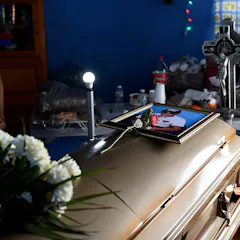
AMLO’s war against organised crime in Mexico isn’t stopping people dying.
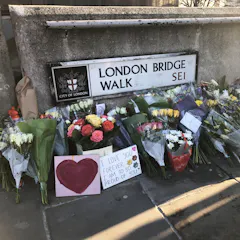
A terrorism expert explains the legislation that led to the attacker’s release.

Nearly two-thirds of incarcerated mothers have never received a visit from their children. A scholar who studies women in prison explains the barriers that families face and how they might be removed.
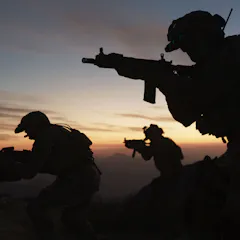
There are calls to boycott the latest release due to the game’s questionable depiction of Russia.

Since 1990, the homicide rate has declined by 20%. Researchers are still figuring out what’s behind the trend: increased incarceration, improvements in the economy or even aging populations.

The famous director is receiving an honorary Oscar, and the timing couldn’t be more appropriate.

We don’t want to have to think about our role in creating the individuals who commit violence. Amazingly, Joker asks us to.

New research investigates how music helps healing from trauma and dealing with violence and repression in Papua and West Papua.
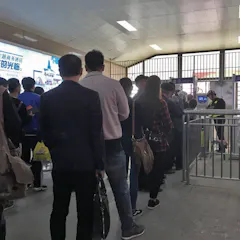
An anthropologist who interviewed Uighurs in China found different ways in which Chinese authorities used checkpoints, social media and smartphones to identify, categorize and control this group.

To understand why young people may become bullies we need to consider some of the less visible ways they are exposed to power inequalities and violence.

There were 590,000 incidents of assaults and threats on shop workers in 2018.
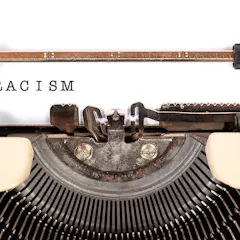
Not talking about racism – what it is, what it looks like in Indonesia, and why it matters – has allowed it to become even more powerful.

There are potential issues with any use of machine learning in policing. But if used in the right way, it could go a long way towards more effective policing.
Top contributors
-

Professor (Practice), Faculty of Business and Economics, Monash University
-
Principal Research Fellow, Griffith University
-
Professor of Violence Prevention and Addiction Studies, Deakin University
-
Senior Lecturer, School of Media, Film and Journalism, Monash University
-
Co-Director of the Wits-Oxford Mobility Governance Lab, University of the Witwatersrand
-
Professor of International Politics, Lancaster University
-
Professor of Sociology, School of Justice, Queensland University of Technology
-
Professor of Communication, The Ohio State University
-
Professor of Criminal Justice, Metropolitan State University
-
Professor Gender and Childhood Sexuality, University of KwaZulu-Natal
-
Associate Professor in Criminal Justice and Criminology, Bond University
-
Richard von Weizsäcker Fellow na Bosch Academy e Co-fundador, Instituto Igarapé; Princeton University
-
Professor of Family Violence Prevention, The University of Melbourne
-
Associate Research Professor of Social Psychology, Louisiana State University
-
Emeritus Professor Monash University, Monash University