
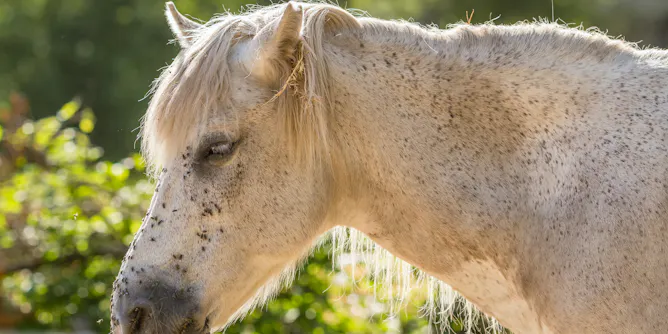
From sand flies to ticks, climate change is helping exotic parasites hitch a ride into the UK. Here’s what that means for pets – and people.
Articles on Vector-borne diseases
Displaying 1 - 20 of 26 articles
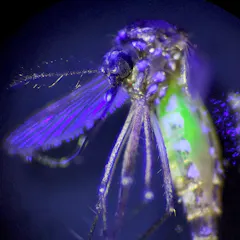
The virus that causes eastern equine encephalitis, or EEE, has evolved to infect mosquitoes. To be able to spread between people, however, it faces extra challenges.

If you’re traveling to a tropical destination to escape the Australian winter, make sure to take steps to protect yourself from mosquito-borne disease such as dengue.
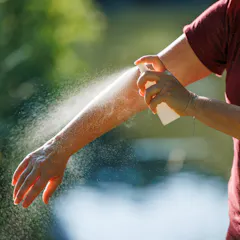
Authorities have issued warnings for people in parts of Western Australia to avoid mosquito bites after Murray Valley encephalitis virus was detected in local mosquitoes. Here’s what you need to know.

The bacterium that causes Lyme disease is a master of disguise, changing its appearance to evade the immune system as it moves from the ticks that carry it to humans or animals.
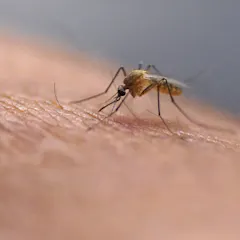
West Nile virus arrived in North America in 1999 and spread across the continent by 2005. Here’s what you need to know about this mosquito-borne pathogen.

Climate change is putting pressure on Ethiopia’s largest city, Addis Ababa, and exposing people to disease and natural disasters.
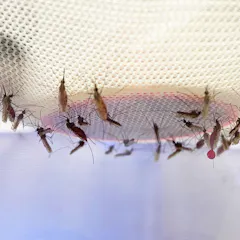
Two mosquito physiology experts explain which repellents work better than others and how to protect yourself this summer.
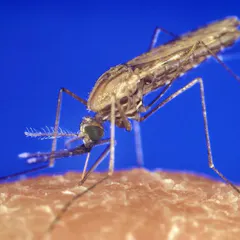
As the Earth warms up the malaria vector will develop faster, allowing them to breed faster, bite more frequently and expand into formerly unsuitable habitats.
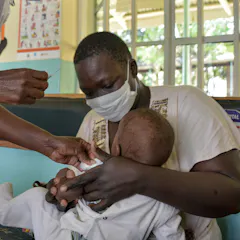
For a malaria vaccine to have an impact, health promotion is key. Awareness campaigns must address safety concerns and emphasise expected positive impacts.
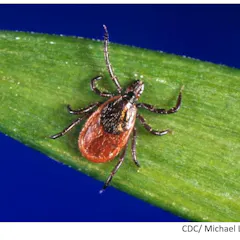
How bad are ticks this year? An expert explains why tick-borne diseases are on the rise.
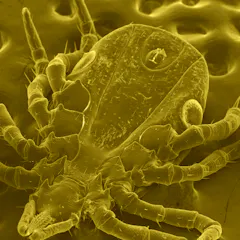
What might look like a mild case of COVID-19 could actually be a bacterial infection from a tick bite, with potentially debilitating symptoms if it goes untreated.
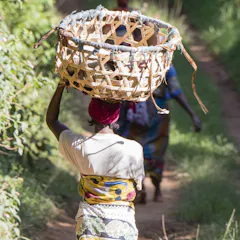
Women must be included at decision making levels to advise on development, designing, delivery and implementation of tools that target health issues that affect them especially malaria.
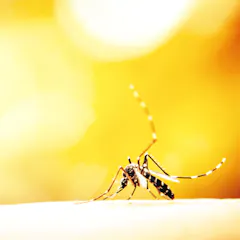
Is our changing climate making regions of the US more suitable for ticks and mosquitoes that spread diseases? Or is the climate changing human physiology making us more vulnerable?
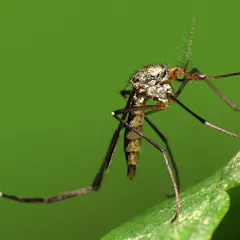
The collapse of Venezuela’s public health system has terrible consequences inside the country, but it also is giving rise to mosquito-borne viruses that could spread to nearby countries.
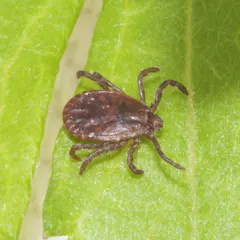
There is a new type of tick spreading in New Jersey, and it doesn’t need a male to reproduce. It’s known to spread disease and is proving
difficult to eradicate.
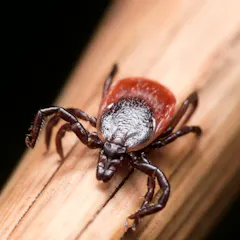
The CDC recently announced an uptick in diseases spread by vectors such as mosquitoes and ticks. Here’s why and what you can do to lower your risk.
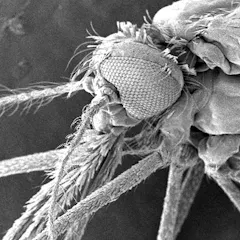
Several sites in the US are releasing bacteria-infected mosquitoes as a way to fight mosquito-borne viruses that threaten people. What’s the science – and how well will it work?
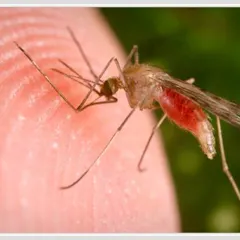
Malaria has long menaced the world, but gains have occurred. Those efforts could now be stymied by budget cuts, however. Here’s how a disease that knows no borders could widen its deadly reach.
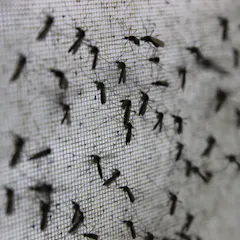
Upscaling the success of emerging mosquito control technologies relies on automating the rearing and release of millions of mosquitoes. Australia is to become the testing ground for a novel strategy.
Top contributors
-

Clinical Associate Professor, School of Medical Science & Sydney Infectious Diseases Institute; Principal Hospital Scientist, University of Sydney
-
Associate Professor of Biology, University of Richmond
-
Principal Medical Scientist and Head of Laboratory for Antimalarial Resistance Monitoring and Malaria Operational Research, National Institute for Communicable Diseases
-
President, University of Miami
-
Assistant Research Professor of Entomology, Penn State
-
Professor, The University of Queensland
-
Professor of Interdisciplinary Parasitology, University of Nottingham
-
Professor in Public Health and Project Leader of Eliminate Dengue Project Yogyakarta, Faculty of Medicine, Universitas Gadjah Mada
-
Research Professor, Environmental and Global Health, University of Florida
-
Graduate Student in Biology, Boston University
-
Assistant Professor of Recreation, Parks and Tourism, Indiana University
-
Assistant Professor of Biology, University of South Florida
-
Research Fellow, Malaria biochemistry, Monash University
-
Senior Entomologist, Penn State
-
Senior Lecturer in Parasite Epidemiology, School of Natural and Environmental Sciences, Newcastle University