
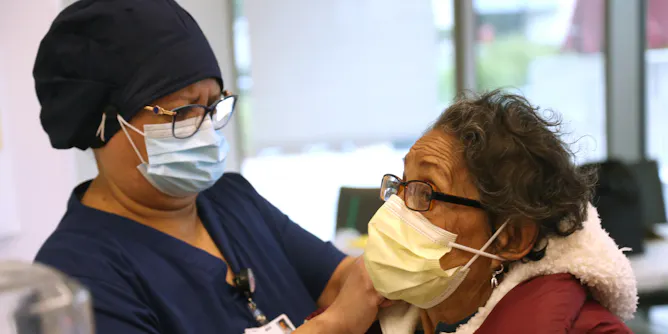
Getting a vaccine is proving difficult for many older people now, but the mad rush for the vaccine won’t last long. Many people don’t want to get one at all, and that will impede herd immunity.
Articles on Vaccine hesitancy
Displaying 201 - 220 of 251 articles
It’s no secret many kids (and adults) don’t like needles. But where needle phobia can be a barrier to vaccine acceptance, it’s important to set your children up not to fear injections. Here’s how.
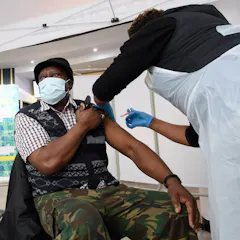
Black people have understandable concerns about vaccines due to a history of racism.
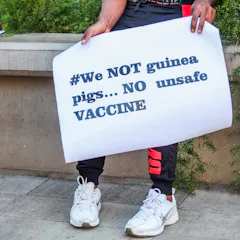
Vaccine hesitancy has resulted in multiple vaccine-preventable disease outbreaks. Research on vaccine hesitancy in South Africa is limited. But growing evidence suggests that it’s becoming a problem.

Historically, we immunized children against diseases like polio that were a clear danger to them, but COVID-19 is usually mild in children. However, herd immunity is unlikely without vaccinating kids.

Achieving high COVID-19 vaccine uptake among health workers will not only protect these critical staff members, it will also support high levels of uptake among the general public.

Two in five Americans say they don’t want a COVID-19 vaccine, which is a problem. Finding out what Americans do want from a vaccine might help.

Black people are skeptical about the new vaccines for many reasons. If public health leaders told the full story, maybe there’d be a higher chance that Black people would want to take the vaccine.

Experts from across The Conversation assess the work that’s helped us reach vaccine roll-out, how this could play out, and the risk of vaccine hesitancy.

Employers could require their workers to get vaccinated against COVID-19 via both workplace policies and existing laws. Neither option, however, is simple or straightforward.

Health workers are at greater risk from the virus and play a key role in promoting vaccination themselves – so uptake needs to be high.
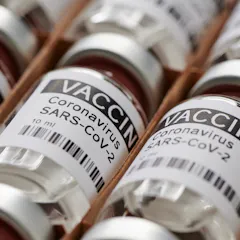
Vaccine hesitancy is not new, but it has a new element: few people can remember the devastating impact of diseases such as smallpox and polio and it is hard to see the lives saved by vaccination.
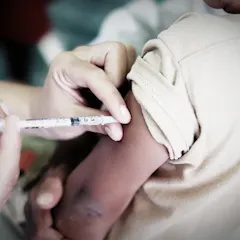
Combating social media disinformation regarding vaccines is critical to reversing the growth in vaccine hesitancy around the world.
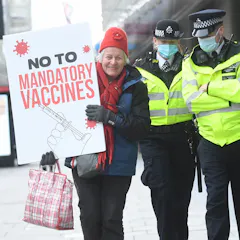
We shouldn’t paint all those hesitant or unsure about new medical treatments with the same broad brush. We need a more productive and thoughtful conversation.

There are arguments both for and against making vaccination compulsory.
The United Nations recently asked a group of experts across the world to recommend ways to persuade people to take a COVID-19 vaccine. Here is a summary of their suggestions.
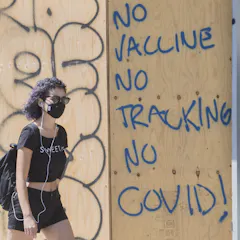
COVID-19 vaccines are at risk of being undermined by vaccine hesitancy. Pharma must take steps to ensure transparency in data monitoring committees and trial data to build public trust in vaccines.

Mistrust of the medical establishment, based on experience, is behind hesitancy.

As viruses are transmitted from person to person they are constantly mutating and replicating. Could the SARS-CoV-2 virus evolve to evade the new vaccines that have just been developed?
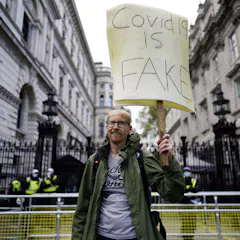
New research confirms findings from before the pandemic: that vaccine hesitancy often coincides with broader anti-scientific thinking.
Top contributors
-

Associate Professor of Health Law, Policy and Management, Boston University
-
Professor, School of Population Health, UNSW
-
Professor of Paediatrics and vaccinologist, Royal Childrens Hospital, University of Melbourne and Murdoch Childrens Research Institute (MCRI); Associate Dean International, University of Melbourne, Murdoch Children's Research Institute
-
Research Fellow, Vaccine Uptake Group, Murdoch Children's Research Institute
-
Professor, School of Public Health, University of Sydney
-
Professor, School of Social Sciences, The University of Western Australia
-
Extraordinary Professor, Global Health, Stellenbosch University; South African Medical Research Council
-
Endowed Professor of Health Policy and Associate Dean, George Washington University
-
Assistant Professor of Communication and Political Science, The Ohio State University
-
Senior Scientist, Cochrane South Africa, South African Medical Research Council (SAMRC) and Honorary researcher, Division of Social & Behavioural Sciences, School of Public Health, UCT, South African Medical Research Council
-
Professor of Neurology, Medicine (Infectious Diseases), and Epidemiology, University of Colorado Anschutz
-
Executive Director, African Population and Health Research Center
-
Senior Lecturer, School of Communication, Journalism and Marketing, Te Kunenga ki Pūrehuroa – Massey University
-
Assistant Professor of Health Policy and Managment, School of Public Health, Texas A&M University
-
Postdoctoral Research Associate in Public Interest Communications, University of Florida