
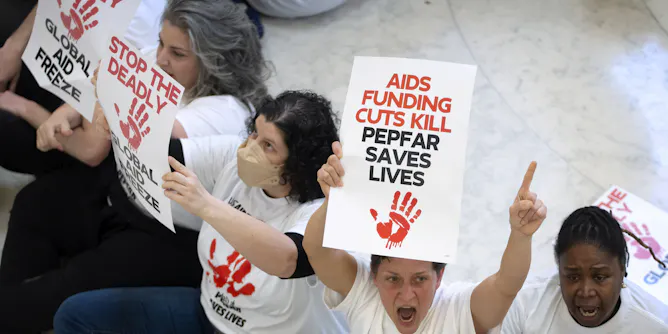
If political agendas hijack the global HIV/AIDs response, it will devastate the 40 million people living with the disease worldwide, especially the most marginalized.
Articles on USAID
Displaying 1 - 20 of 76 articles

The drop in funding has also led donors to prioritize the trend of using aid to control the movement of people – over their needs.
USAID’s closure, while painful and damaging, might give rise to a new arrangement beyond aid.

In areas that had received the most American aid, the probability of conflict increased by 3.1 percentage points.

After the Second World War, Canadian work in global literacy campaigns helped elaborate Canada’s image as benevolent and innocent regarding internal colonialism.
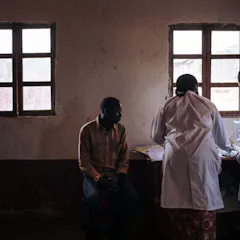
Public health campaigns had made significant strides toward eradicating diseases like elephantitis and river blindness. But this progress has since unraveled with the second Trump administration.
The US government used to have American farmers’ backs, but that support has been dwindling for decades. New subsidies signal big changes for farmers.
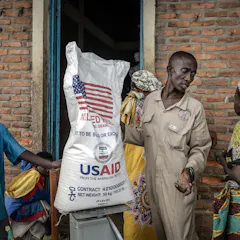
Doing more with less may not be sustainable for an exhausted workforce over the long term.
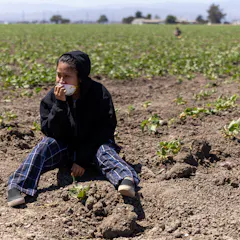
Despite the administration’s claim of streamlining the government to make its operations more efficient, a range of recent federal policies have, in fact, exacerbated food wastage.
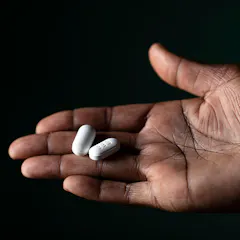
The America First Global Health Strategy aims to secure US interests but may instead undermine it by design.

In light of the U.S. retreat from humanitarian leadership, countries like Canada must assume a more prominent role in sustaining global protection systems.
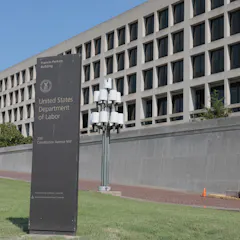
Detailed data that US government agencies collect and make available has underpinned research about people, medicine, science, crime, jobs, housing, climate and the economy.
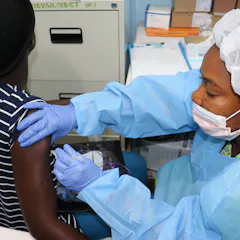
To achieve global health for the future, the leadership must come not only from the US.
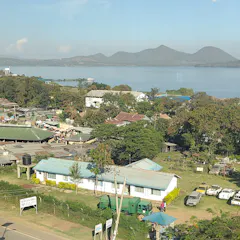
The funding freeze has hit hard, programmes have stalled, uncertainty has grown and communities are feeling the strain.
Pharmaceutical companies have little incentive to sell drugs to countries that can’t afford them. But bargaining together can increase access to vital treatments worldwide.
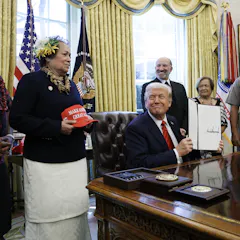
The US worked hard over the past seven years to rebuild relationships in the Pacific and counter the influence of China. Trump is putting it all at risk.
The US withdrew from treaty negotiations on President Trump’s first day in office.
Ghanaian development expert Bright Simons talks about the history and future of foreign aid on The Conversation Weekly podcast.

The US cuts in research funding are devastating to the fight against HIV/Aids. It’s going to be very hard to recover.
Reduction in humanitarian aid globally offers opportunities to address the power imbalances on which data-driven humanitarianism is built.
Top contributors
-

Honorary Fellow, Asia Institute, The University of Melbourne
-
Adjunct Associate Professor of Epidemiology, Columbia University
-
Professor of Political Science, Middlebury College
-
Professor of Philosophy, Binghamton University, State University of New York
-
Postdoctoral research fellow, African Studies Program, McGill University
-
Associate Professor of Political Science, Virginia Commonwealth University
-
Lecturer in American Politics, University College Cork
-
Visiting Professor of Sustainability Science, Technical University of Denmark
-
-
Professor of Francophone Studies (Africa, Caribbean), Faculty Affiliate with Africana Studies, World Literature Program and Human Rights Pracice, University of Arizona
-
Associate Professor in American Politics and American Foreign Policy, University of Leicester
-
Lecturer in Economics, University of South Africa
-
Dornsife Endowed Professor of Global Health, Drexel University
-
Research Coordinator, University of Oslo
-
Assistant Professor, Sociology, Concordia University