
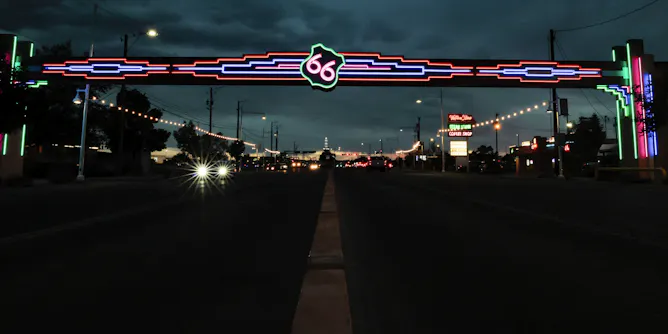
The ‘Mother Road’ has long symbolized freedom and reinvention. But its history reveals a more complicated story shaped by migration, segregation and the highways that eventually circumvented it.
Articles on US Midwest
Displaying 1 - 20 of 30 articles

For more than a century, anti-Catholicism was a powerful force in the region’s culture and politics. But religious pluralism ultimately triumphed in the ‘Queen City.’

An expert in American dialects explains how a ‘health drink’ from the early 1800s spawned so many names and variations.

For decades, presidential candidates from both major parties have committed to cleaning up and protecting the Great Lakes. Here’s why.

The last time that these two groups of cicadas emerged from underground together, Thomas Jefferson was president.

If you think of Latino voters as left-leaning Catholics, think again.
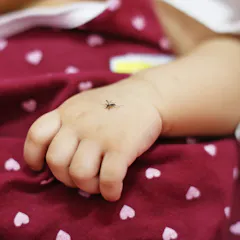
Not all cases of La Crosse disease affect the neurological system, but those that do can be severe and sometimes fatal – especially in children.

As the national debate over LGBTQ rights continues, teachers in the Midwest are facing challenges similar to those facing their colleagues elsewhere in the US.
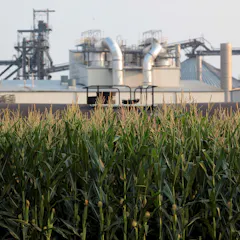
Allowing the sale of gasoline that’s 15% ethanol year-round won’t have much impact on gas prices, but recent research shows that growing corn for fuel affects the climate – for the worse.
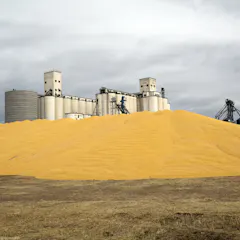
The US has required motor fuels to contain 10% biofuels since 2005. As this program nears a key milestone in 2022, farm advocates want to expand it while critics want to pare it back or repeal it.

Climate change predictions often use the year 2100 as an end-point. But it’s important to consider what will happen beyond that, at least up to the year 2500.
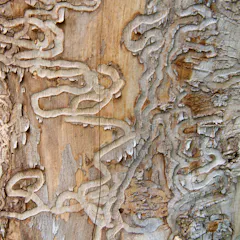
Biological control strategies curb pests using other species that attack the invader. A biologist explains why it can take more than a decade to develop an effective biological control program.
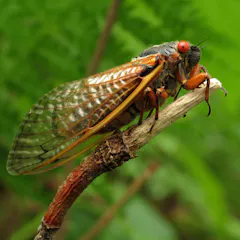
One of the largest groups of 17-year cicadas, Brood X, last emerged from underground in 2004. The next generation will arrive starting in April.
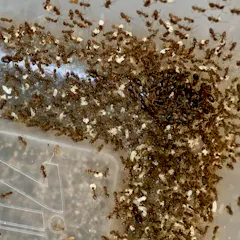
The spread of tawny crazy ants may be driven, in part, by their need for calcium. The calcium-rich limestone bedrock of the lower U.S. Midwest may provide ideal conditions for populations to explode.
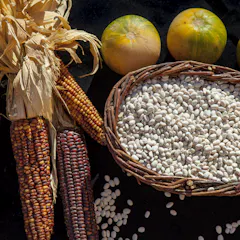
For centuries Native Americans intercropped corn, beans and squash because the plants thrived together. A new initiative is measuring health and social benefits from reuniting the “three sisters.”

New research shows that one-third of yearly nitrogen runoff from Midwest farms to the Gulf of Mexico occurs during a few heavy rainstorms. New fertilizing schedules could reduce nitrogen pollution.
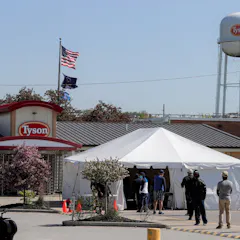
Being able to identify communities that are susceptible to the pandemic ahead of time would allow officials to target public health interventions to slow the spread of the infection and avoid deaths.
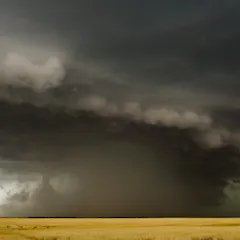
Hurricane and tornado winds spin in circles, but there’s another, equally dangerous storm type where winds barrel straight ahead. They’re called derechos, and are most common in summer.
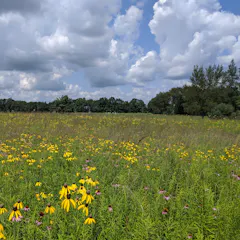
Restoring former prairies that have been plowed under for farming delivers land, wildlife and climate benefits. But a new study finds that the weather plays a surprising role.

Climate change is making extreme weather events, both hot and cold, more frequent across the Great Lakes region. Weatherizing low-income residents’ homes is an important way to prepare.
Top contributors
-

Assistant Professor of Ecology and Evolutionary Biology, University of Connecticut
-
Senior Research Scientist of Ecology and Evolutionary Biology, University of Connecticut
-
Implementation Manager, Indiana University
-
Professor of Agricultural and Resource Economics, University of California, Davis
-
Professor Emeritus of Climate and Space Sciences and Engineering, University of Michigan
-
Research Professor Emeritus, University of Michigan
-
Professor of Soil Management and Environment, Iowa State University
-
Professor of Atmospheric Science and Colorado State Climatologist, Colorado State University
-
Manager, Centre for Doctoral Training, University of Leeds
-
Associate Professor of Religious Studies, University of Nebraska Omaha
-
Postdoctoral Researcher, Earth Surface Process Modelling, GFZ Helmholtz Centre for Geosciences
-
Associate Professor of Environmental Soil Quality/Health, Colorado State University
-
Assistant Research Scientist and Faculty Fellow, Indiana University
-
Associate Professor of Biology, University of Richmond
-
Associate Professor of History, Southern Illinois University