
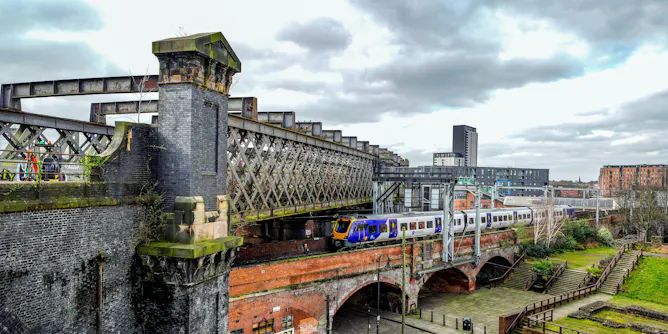
Turning a disused Victorian railway bridge into an elevated walkway and garden has the potential to rejuvenate a forgotten part of the city.
Articles on Urban greening
Displaying 21 - 40 of 65 articles

Ad hoc, lot-by-lot efforts to house more people in our ageing suburbs are failing to increase liveability and sustainability. Our cities need strategic, precinct-scale regeneration.
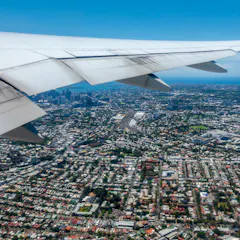
Seen from above, parts of our cities now have very little green space, and we’re losing the green corridors that enable wildlife to move between the remaining urban habitats.
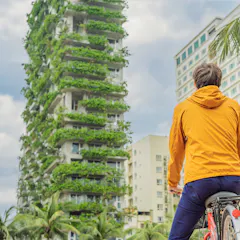
Urban gardens, parks and green walls are crucial ways to tackle flash floods and city heat. But new global research finds its effectiveness varies from city to city.
important decisions must be made today for urban greening programs to succeed in a warmer world.
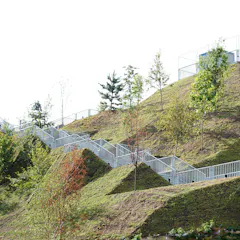
Pop-up spaces can be successful, they just need to be better thought through and created with urban ecology in mind rather than economics.
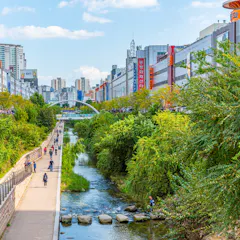
Despite their good intentions, cities rarely have the full set of skills and capabilities to turn their plans into a reality. Our research looks at what needs to change.
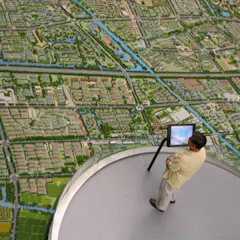
The pandemic has accelerated some urban trends and reversed others, while focusing attention on the vulnerabilities of cities. The old planning certainties will have to be revisited.
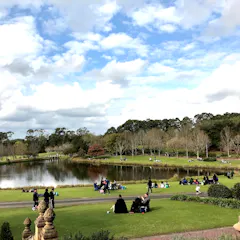
For the areas of cities with less than 10% green space, increasing that to 30% could cut the overall odds of residents becoming lonely by a quarter.
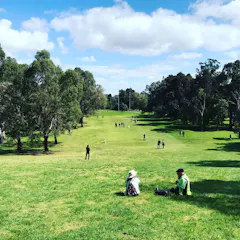
All parks are not equal. The response to the opening of golf courses to the public during the COVID pandemic shows the quality of green open space is a big issue for city residents.
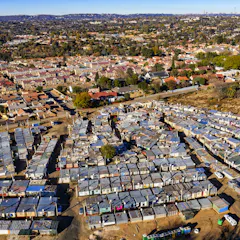
In South African cities there’s an uneven distribution of trees, greenery and parks across racial and income geographies.

The release of a roadmap for green roofs, walls and facades in Australia can help our cities catch up with the world leaders in urban greening.

Half-a-dozen strategies are effective for cooling urban areas. Used in combination, these strategies can drop the temperature even more.

Sleep might be a key factor in the link between greener neighbourhoods and better health. A new study shows living in an area with more tree canopy improves people’s odds of getting enough sleep.

At the peak of a summer heatwave in Adelaide, an aerial survey of land surface temperatures reveals just how much cooler neighbourhoods with good tree and vegetation cover can be.

Residents of the ‘leafy suburbs’ will continue to fear what they might lose to increasing urban density without an explicit planning approach that enhances green space in affected neighbourhoods.
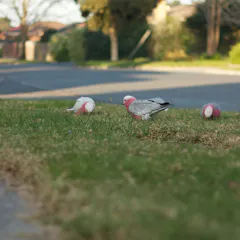
When so much of the green space in our cities is in the form of nature strips, current restrictions on plantings are denying us the many social and environmental benefits of more diverse greenery.
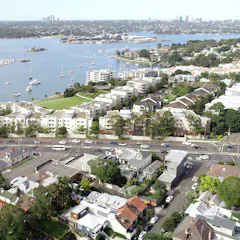
Greater urban density is making it harder to preserve, let alone increase, tree cover. It’s vital, then, to demonstrate the full value of green infrastructure for healthy liveable cities.
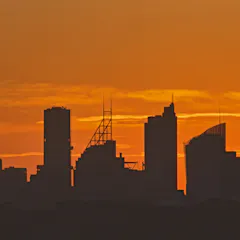
The research has been done. The evidence is in. We know how to create cities that are sustainable, liveable and affordable. But we have yet to apply that knowledge widely across Australian cities.
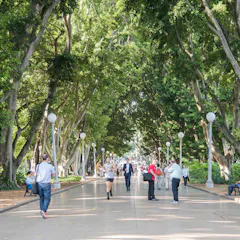
Cities around Australia have plans to increase their green space, but new research shows not all green spaces are equal. Good tree cover is better than grassed areas for residents’ mental health.
Top contributors
-

Professor of Human Geography and Planning, University of Tasmania
-
Senior Lecturer in Urban and Environmental Planning, Griffith University
-
Professor of Urban Health and Environment, UNSW
-
Professor of Cities and Planetary Health, ARC Future Fellow in nature-based solutions for loneliness, University of Sydney
-
Senior Lecturer, Department of Architecture, Federal University of Technology, Akure
-
Professor, Urban Ecology and Biodiversity, The University of Melbourne; RMIT University
-
Senior Lecturer, School of Agriculture, Food and Ecosystem Sciences, The University of Melbourne
-
Research Fellow, Centre for Urban Research, RMIT University
-
Vice-Chancellor's Research Fellow, Centre for Urban Research, RMIT University
-
Postdoctoral Research Fellow, The University of Queensland
-
Professor of International Planning, Centre for Urban Research, RMIT University
-
Distinguished Professor, Director of Smart Green Cities, Macquarie University
-
Professor, School of the Built Environment, University of Technology Sydney
-
Lecturer, Australian Urban Design Research Centre, The University of Western Australia
-
Associate Professor in Urban Ecology and Urban Horticulture, The University of Melbourne