

Increasing limits on abortion are boosting demand for contraception. But access to family planning is shrinking in many states, and access to highly effective forms of contraception is at risk.
Articles on Unintended pregnancy
Displaying all articles

There hasn’t been a new form of male birth control since the 1980s. More contraception options for all partners could help reduce the rate of unintended pregnancies.

States taking the strictest stands against abortion tend to have among the worst statistics in the nation on child and family well-being.

Primary care doctors have long played an important role in providing birth control. Now, with the fall of Roe, they could help fill a critical need for comprehensive family planning services.
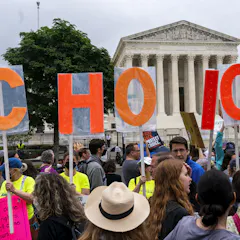
Restricting abortion access has negative effects on parents, as well as children and families, including increased poverty, unemployment, pregnancy-related deaths and higher health risks in children.
Top contributors
-

Professor of Internal Medicine, University of Washington
-
Assistant Professor, College of Health and Human Sciences, Texas Tech University
-
Professor of Law, University of Virginia
-
Associate Professor, Canada Research Chair in Mental Health and Intersectionality, University of British Columbia
-
Associate Professor of Family Medicine and Obstetrics & Gynecology, School of Medicine, University of Washington
-
Physician/Investigator at Lundquist Institute at Harbor-UCLA Medical Center and Professor of Medicine at David Geffen School of Medicine, University of California, Los Angeles
-
Assistant Professor, Department of Psychology, University of Manitoba
-
Distinguished Professor Emerita of Public Health Sciences, Penn State
-
Professor of Medicine and Public Health Sciences, Penn State