

Leave for the non-birthing parent after a new baby arrives gives the family an opportunity to bond.
Articles on Paid parental leave
Displaying 1 - 20 of 59 articles

A ‘use it or lose it’ paid parental leave policy like Sweden’s could encourage more new fathers to share the early child-rearing months.

From July 1, government-funded paid parental leave increases from 24 weeks to 26 weeks. While welcome, many challenges remain for new parents, particularly mothers.

New Zealand universities are slowly closing the pay gap, but men are still more likely to fill senior leadership roles in the highest pay brackets.

Compared to many other countries, the UK’s maternity pay allowance is not generous.

All the evidence points to paid partner’s leave having many benefits for children and families – but Labour’s promise falls short on time and money.

Australia’s Fair Work Act recognises “spontaneous” but not “non-spontaneous” pregnancy loss.
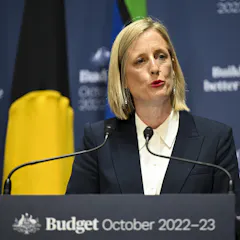
The inclusion of an evidence-based women’s budget statement shows a greater awareness of the systemic challenges to women’s economic security.

The present scheme is for 18 weeks government-funded leave to care for a newborn. There is a separate “Dad and Partner” payment for two weeks.

States taking the strictest stands against abortion tend to have among the worst statistics in the nation on child and family well-being.

Labor and the Coalition have announced their parental leave policies. If you are planning to have children, you should be familiar with what they’re offering.

On this Mother’s Day, keep your cash and give your wonderful mother gifts that will actually have a long-term impact on her health and well-being.

Current parental leave schemes reinforce old gender stereotypes and the pay gap between women and men. Overseas experience shows better targeted leave for new fathers helps everyone.

This important benefit does more than just help parents in terms of dollars and cents.

The lack of reform to childcare - a huge cost-of-living pressure - is the biggest missed opportunity of the week.

Is the budget really as “women friendly” as the Morrison government would like us to believe?

You might expect progressive policies in our universities, but a parental leave system of primary and secondary caregivers – the first 93% women, the second 96% men – perpetuates the gender gap.

Polls have consistently found robust support for this benefit, with a growing share of the public approving of paid time off for dads.

If governments are looking for a post-pandemic “baby boom” to help populations grow, then they should increase the amount and duration of paid parental leave for both mums and partners.

Modest changes to Australia’s paid parental provision can help address the gender gap in unpaid and paid work between mothers and fathers.
Top contributors
-

Professorial Fellow, University of Canberra
-
Professor of Political Economy; Deputy Director, Australian Centre for Gender Equality and Inclusion at Work; and, co-convenor Work + Family Policy Roundtable, University of Sydney
-
Marian Baird is a Friend of The Conversation.
Professor of Employment Relations, University of Sydney
-
Adjunct Professor, Curtin Law School and Curtin Business School, Curtin University
-
Senior Lecturer, School of Business, Western Sydney University
-
Associate Professor of Marketing, Coastal Carolina University
-
Professor, Crawford School of Public Policy, Australian National University
-
Senior Lecturer, School of Business, Western Sydney University
-
Professor of Psychology, USC Dornsife College of Letters, Arts and Sciences
-
Emeritus Professor University of South Australia, Adelaide University
-
Professorial Fellow, Jumbunna IHL, University of Technology Sydney
-
Professor, University of Sydney; RMIT University
-
Professor, School of Management, RMIT University
-
Programme Director, Centre for Labour Law; Lecturer in Mercantile Law, University of the Free State
-
Research Associate, School of Social Sciences, Monash University