

‘Ultra-processed’ is not just another term for junk food. It has been shown to be bad for the body and the planet – and it can be tricky to identify.
Articles on Ultra-processed food
Displaying 41 - 60 of 67 articles

Researchers are trying to understand whether ultraprocessed foods erode brain health in the aging process.

The Food Compass system scores foods based on variables like the amounts of refined grains and sugars, processing and healthful ingredients. People who ate better-scoring foods had better overall health.

Some healthy habits to adopt over the festive period.
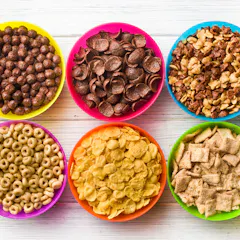
Over half of all calories consumed in the UK are from an ultra-processed food product.

Diets high in fat, sugar and processed foods are associated with higher calorie intake, poorer memory and lower cognitive function.

There is more sugar and other sweeteners in our food and drinks globally than a decade ago, with manufacturers prioritising healthier options in richer countries.

Ultra-processed foods that contributed the most dietary energy for Aussies included ready-made meals, fast food, pastries, buns, cakes, breakfast cereals, fruit drinks, iced tea and confectionery.

Dietary guidelines can do a better job clarifying the differences between beneficial and harmful forms of processing.

Heart health is strongly linked to brain health and risk of dementia. That means improving one can protect us from the other.

Sugar gets a bad rap, but exactly which sugar is meant? Nutrient-dense sweet ripe fruits are a far cry from refined table sugar – and their differences can have big health implications.

Exercise can’t make up for a poor diet, but it can help change eating habits. Regular exercise improves the brain and cognitive processes that help regulate junk food consumption and reduces stress.

Sixty percent of the Standard American Diet consists of ultra-processed food, which isn’t great for colon health. Researchers are looking into whether artificial food colors play a role.
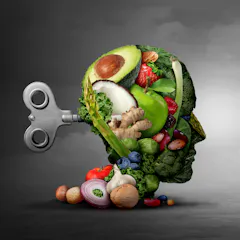
Ultra-processed foods high in sugar, fat and empty carbs are bad for the mind as well as the body. Lack of micronutrients affects brain function and influences mood and mental health symptoms.

Ultra-processed foods meet the same criteria for addictiveness that tobacco products do – and they’ve even been marketed in similar ways.

It’s not clear how health claims could be substantiated, enforced or understood, but there are other ways to encourage healthy food choices.

Big Food companies producing ulta-processed foods are using a range of key market and political practices to increase their reach, particularly in developing countries.

Many plant-based products contain similar ingredients to ultra-processed foods.

Our research provides clear evidence pro-inflammatory diets are linked to poor health, including heart attacks, bowel cancer and depression.

We looked at 37 studies which show eating ultra-processed foods is bad for our health. So why are we eating more of them than ever before?
Top contributors
-

Associate Professor of Gastroenterology, School of Medicine, University of Washington
-
ARC Future Fellow and Sydney Horizon Fellow, School of Public Health, University of Sydney, University of Sydney
-
Professor of Public Health Nutrition, Institute for Physical Activity and Nutrition, Deakin University
-
NHMRC Emerging Leadership Fellow, Institute for Physical Activity and Nutrition, Deakin University
-
Associate lecturer, Nutritional Biochemistry, University of Hertfordshire
-
Lecturer in Public Health Nutrition, Leeds Beckett University
-
Laureate Professor in Nutrition and Dietetics, University of Newcastle
-
Senior Research Fellow in Population Health, University of Auckland, Waipapa Taumata Rau
-
Program Lead, Food Governance, George Institute for Global Health
-
Professor and Associate Dean for Research, College of Pharmacy, University of South Carolina
-
Professor of Public Health Policy, Deakin University
-
Lecturer, Dietetics, Cardiff Metropolitan University
-
PhD Student, Social Anthropology, Dalhousie University
-
Honorary Associate Professor, University of Leicester
-
Postdoctoral Fellow, The Brain and Mind Institute, Department of Psychology, Western University