

Whereas digital work can bring freedom and flexibility into the lives of workers in Africa, it can also contribute towards their precarity and vulnerability.
Articles on Uganda
Displaying 181 - 200 of 469 articles
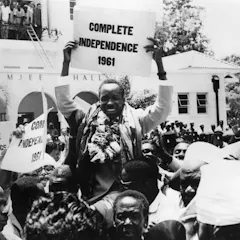
Over two millennia, Swahili has built bridges among people across Africa and into the diaspora.

It’s individuals, communities, and institutions who build the necessary confidence to pursue complex and challenging solutions to their problems.
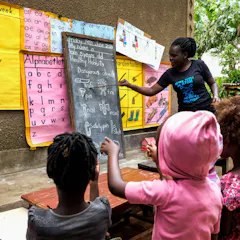
Emerging evidence shows that, for young people, the effects of COVID on education have already been devastating.
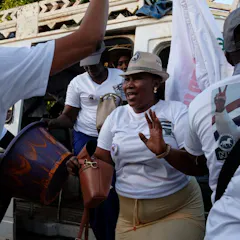
Temporary measures such as legislative gender quotas can increase women’s access to political participation.

Adolescents and young people should get involved early in the design, planning and scale up of interventions.

A decision to merge energy sector agencies could depress investors’ appetite to finance infrastructure expansion.

There is more to ethnic identity than ancestral location or settlement pattern, language or family history.
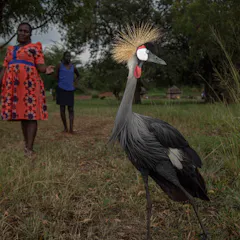
The reduction of foreign tourism is an opportunity for Africans to experience many of the continent’s premier parks at a discount.
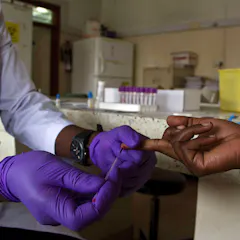
HIV services must be comprehensive to ensure that people take their medication as prescribed and avoid onward transmission of the virus.
Even before the advent of COVID-19, donors had begun to exit HIV programmes with increasing frequency.

All terrorism in the region has domestic origins but is linked to regional and international events.

It has long been clear that some countries have drug policies that cause harm and violate human rights.
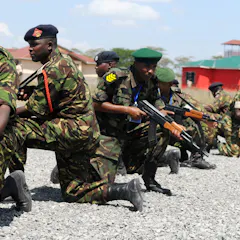
Military expenditure is a relevant policy option in reducing the negative effect of terrorism on economic growth in Africa.
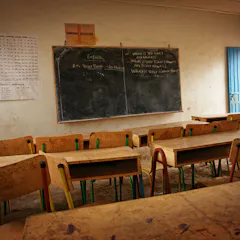
School closures have immediate and long-term effects on students, both emotionally and economically. They will also have a ripple effect on a country and on income inequality.
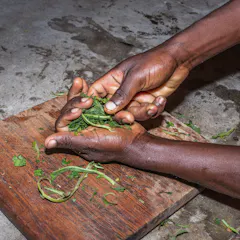
It is important that herbal medicine be checked for its safety, its potential to treat particular ailments, and to ascertain its chemical components.

This tool can identify cause of death by fatal lightning strike in skeletonised remains.

African livestock keepers need help: without proactive interventions, increasing temperatures will reduce meat and milk production.
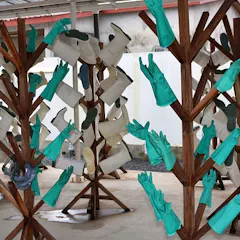
Many African countries are experienced in managing outbreaks of viral haemorrhagic fevers and many of the lessons learnt from the Ebola can be applied to the Marburg outbreak.
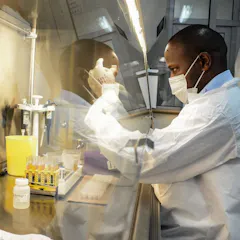
Countries must be encouraged to distribute essential healthcare provision - like diagnosis - to where people most need them and where they can be accessed more easily.

Kenya’s dominance in distance running has been repeatedly tested, most recently by the emergence of Ethiopia as a powerhouse.
Top contributors
-

Professor in International Development, University of Antwerp
-
Research associate at African Centre for Cities, University of Cape Town
-
Lecturer in Law, University of East London
-
Research Fellow at the Centre for Planetary Health and Resilient Conservation Group, Griffith University
-
Professor and Chair, Southwestern Environmental Science and Policy, Northern Arizona University
-
Health Systems Researcher, Makerere University
-
Professor/Senior Research Fellow, Centre for Advancement of Scholarship, University of Pretoria
-
Lecturer, Department of African Languages, Makerere University
-
Professor of International Relations, Norwegian University of Life Sciences
-
Professor of Anthropology and International Development, The University of Western Australia
-
Senior Researcher at the Feinstein International Center, Tufts University, and Research Associate at the Refugee Studies Centre, University of Oxford
-
Professor of World Politics, SOAS, University of London
-
Postdoctoral Research Associate, King's College London
-
Lecturer and Senior Research Fellow at the South African Research Chair in International Law (SARCIL), University of Johannesburg
-
Professor of Democracy, University of Birmingham