
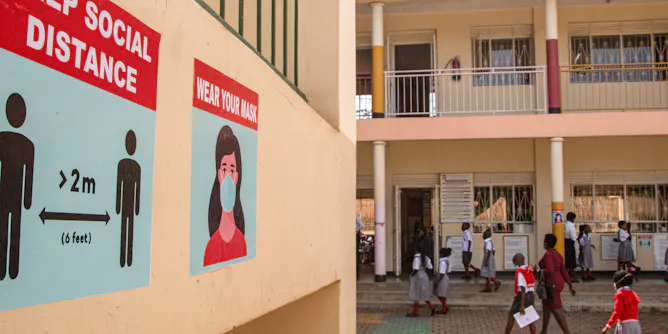
Young Ugandans have already fallen far behind in their learning because of COVID.
Articles on Uganda
Displaying 141 - 160 of 469 articles
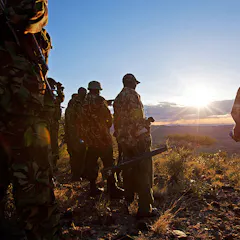
Conflict is prevalent in the region characterised by harsh climate, vast wilderness and low levels of development.
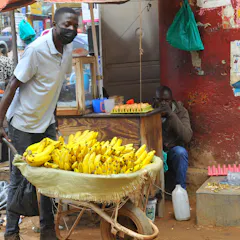
Lockdown measures may stop the spread of the virus. But they can also lead to a larger and more protracted public health crisis in the form of deprivation and hunger.
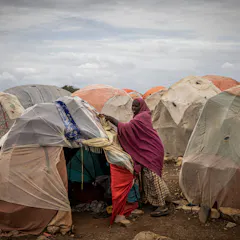
States with more capacity, more political inclusion and that make good use of foreign aid tend to see better outcomes.
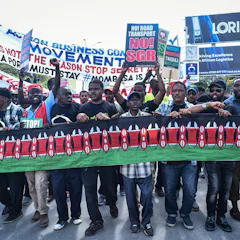
Mega-projects tend to represent the interests of state and business elites.
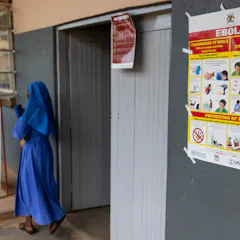
As with Ebola, it is often only when the harm is done that people working on the response realise health emergencies disproportionately harm women.
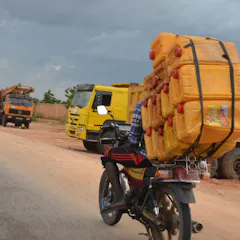
Smuggling in Uganda’s West Nile region is seen as an act of defiance – a way to make ends meet in the face of perceived state neglect.
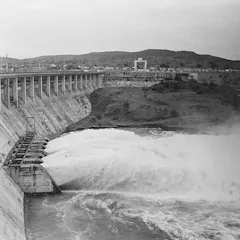
The mega dam in Jinja was meant to give Uganda energy independence, but this was constrained by Britain’s agricultural interests in Egypt.
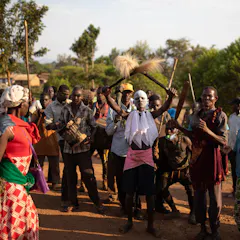
The ritual site becomes a communal classroom where songs and dances teach history, impart values and preserve cultural identity.
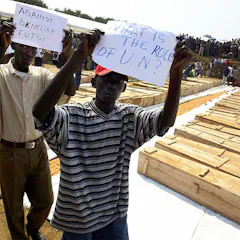
Violence in the Democratic Republic of Congo is used to win a place in government, not to overthrow it. And it keeps working.

Ebola is a highly transmissible disease but its spread can be prevented through behavioural measures.
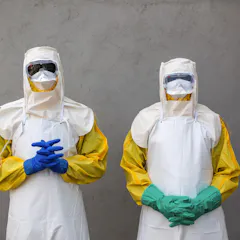
When tackling an Ebola outbreak speed is a critical element - every hour counts.
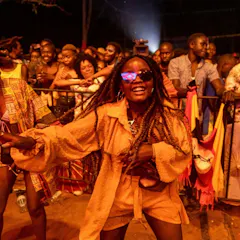
The non-stop four-day dance party is always controversial – this year because of threats of terrorist attacks.

The lack of a system to support youth development is just one reason why Tanzania, Kenya and Uganda have produced few top footballers.
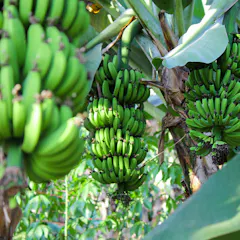
Each food-based vitamin A programme carries different advantages and issues.
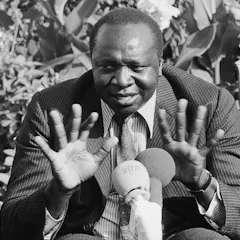
The inhumanity of Idi Amin’s ‘economic war’ was about much more than the expulsion of Asians.
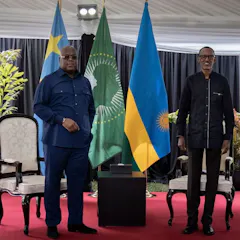
Rwanda believes DRC continues to provide refuge for those behind the 1994 genocide.
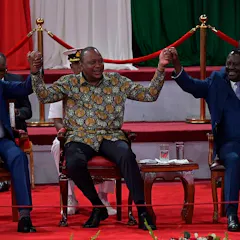
Kenya’s ethnic-based politics often leads to electoral violence that hurts regional trade.
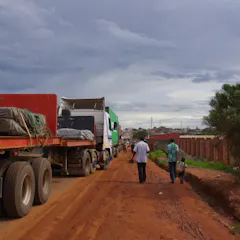
Producers in Zambia should be getting more for their crops, and buyers in East Africa should be paying less, alleviating food price spikes.
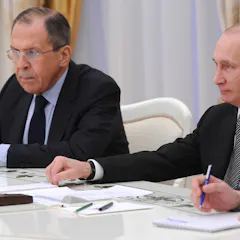
Russia is trying to normalise an international order where might makes right. And democracy and respect for human rights are optional.
Top contributors
-

Professor in International Development, University of Antwerp
-
Research associate at African Centre for Cities, University of Cape Town
-
Lecturer in Law, University of East London
-
Research Fellow at the Centre for Planetary Health and Resilient Conservation Group, Griffith University
-
Professor and Chair, Southwestern Environmental Science and Policy, Northern Arizona University
-
Health Systems Researcher, Makerere University
-
Professor/Senior Research Fellow, Centre for Advancement of Scholarship, University of Pretoria
-
Lecturer, Department of African Languages, Makerere University
-
Professor of International Relations, Norwegian University of Life Sciences
-
Professor of Anthropology and International Development, The University of Western Australia
-
Senior Researcher at the Feinstein International Center, Tufts University, and Research Associate at the Refugee Studies Centre, University of Oxford
-
Professor of World Politics, SOAS, University of London
-
Postdoctoral Research Associate, King's College London
-
Lecturer and Senior Research Fellow at the South African Research Chair in International Law (SARCIL), University of Johannesburg
-
Professor of Democracy, University of Birmingham