
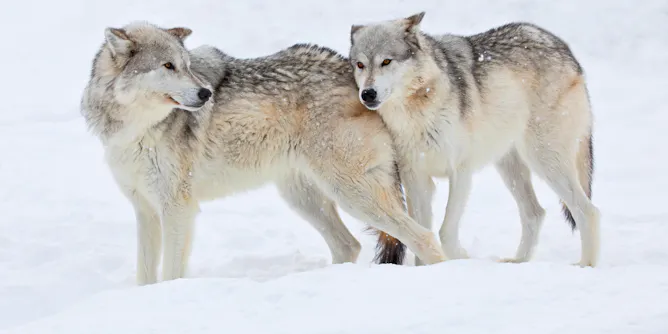
Yellowstone’s reintroduced wolves have become a famous conservation success story, but the reality is far messier.
Articles on Trophic Cascade
Displaying all articles

The National Park Service is not just focused on helping people enjoy the outdoors, but also on conserving wild places.
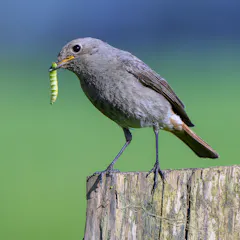
Scientists have tracked microplastics in small creatures in the UK.

Normally land-bound pathogens that cause deadly diseases for both humans and animals can cling to microplastics and end up in your seafood.
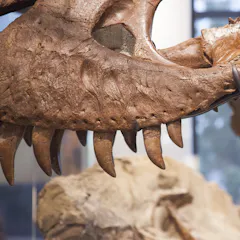
Teeth, horns, claws, beaks, shells and even plant prickles — the power cascade rule can be observed far and wide throughout nature, much like the famous golden ratio.
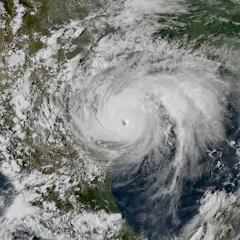
Hurricane Harvey destroyed the fishing infrastructure of Aransas Bay and reduced fishing by 80% over the following year. This removed humans from the trophic cascade and whole food webs changed.

Protecting forests and wetlands, which absorb and store carbon, is one way to slow climate change. Scientists are proposing similar treatment for marine animals that help store carbon in the oceans.
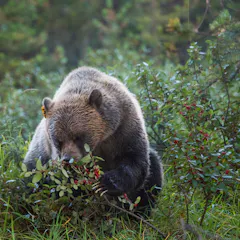
As warming temperatures shift the availability of key food sources, Alberta’s grizzly bears will be forced to adjust.
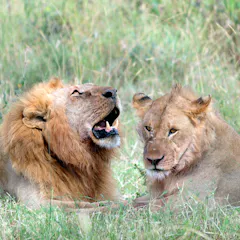
Kudu and buffalo altered their activity when lions and spotted hyena were reintroduced into the areas where these species lived.
Culling dingo populations could mean disastrous consequences to the Australian landscape by causing a decline in vegetation…
Top contributors
-

Professor, Zoology & Director: Centre for African Conservation Ecology, Nelson Mandela University
-
Post Doctoral Fellow Zoology and the Centre for African Conservation Ecology, Nelson Mandela University
-
Assistant Professor of Marine and Environmental Science, University of North Carolina at Chapel Hill
-
Senior Marine Scientist, Dauphin Island Sea Lab; Research Scientist, Life Sciences Department, Texas A&M – Corpus Christi; Associate Professor of Marine Science, University of South Alabama, University of South Alabama
-
Associate Professor of Marine Biology, University of Alaska Southeast
-
Veterinary researcher, University of California, Davis
-
Associate Professor of Pathology, Microbiology and Immunology, University of California, Davis
-
Professor, University of Alberta
-
Professor, School of Biological Sciences, Monash University
-
PhD Graduate, University of Calgary
-
Professor, Department of Geography, University of Calgary
-
PhD Candidate and Doctoral Tutor in Ecology, University of Sussex
-
Principal Lecturer of Recreation and Sport Management, Coastal Carolina University
-
Associate Professor of Recreation and Sport Management, Coastal Carolina University
-
Leverhulme Early Career Fellow, Centre for Sustainable Forests and Landscapes, University of Edinburgh