
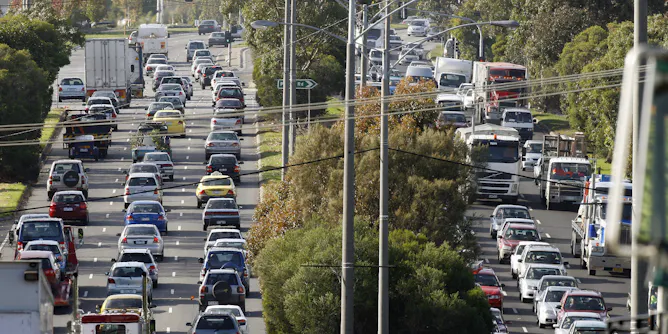
Bigger cities increase wages, output and innovation, but also problems of congestion and pollution. Congestion charges can minimise these problems by dramatically improving traffic flows.
Articles on Transport
Displaying 321 - 340 of 493 articles
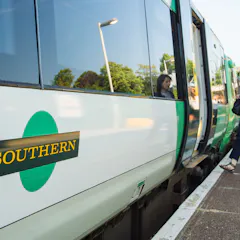
The government knows the system is a shambles – but refuses to admit that rail privatisation has failed.
The Coalition, Labor, and the Greens are making substantial commitments to projects that not only lack proper business cases, but are not even on the Infrastructure Australia priority list at all.

Driverless cars are the technology of the future, but unless they learn how to drive in rain and snow, they will be a technology that lets us down when we need it the most.

There are many important reasons why transport planners and policymakers should encourage and support this delay in car dependence.
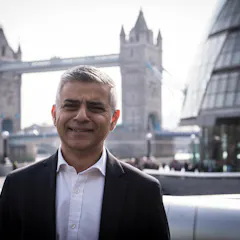
Pro-infrastructure and pro-enterprise, the newly-elected mayor has the policies to keep London a global financial centre.
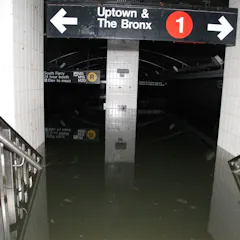
Cities’ metros and subways are threatened by rising flood risks but innovative engineering could protect them.
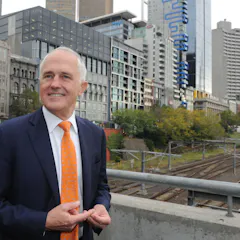
The budget paints a picture of higher debt, little relief for growing cities crying out for infrastructure investment, and no detail of how City Deals might work to fix this.

There’s clearly a growing enthusiasm for the sport but our experts crunched the numbers to see if this is just more middle-aged men in lycra (Mamils).
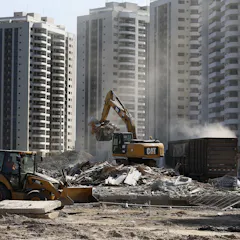
Why we should stop panicking about whether the Olympic venues will be ready and start thinking about the long-term impacts of construction.
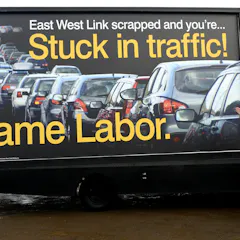
Poor project selection is undermining economic growth in Australia.

New South Wales’ new tougher bike laws reveal an ongoing war of the roads.

International investors competing for a stake and the Federal Government’s positive outlook for mining are both good signs for the largest companies in the transport sector.

Self-driving cars are way more energy efficient than your average vehicle – but that doesn’t necessarily mean they’ll reduce carbon emissions.
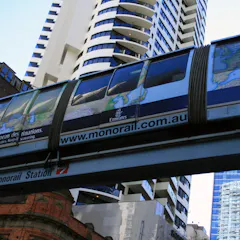
Infrastructure Australia’s latest report is substantial but, critically, it fails to incorporate the transport thinking needed to develop more compact cities that work better for everyone.

The answer lies in the history we share with our canine companions.

The UK spent much of the late 20th century voting to sell off public services – but now support is growing for a renationalisation programme.

Internet connections could one day come from solar-powered planes that fly for months or even longer at a time.
State-owned companies are not generally needed to provide goods. Rather, they are needed to provide the foundation for a well-functioning economy and a healthy, well-informed populace.
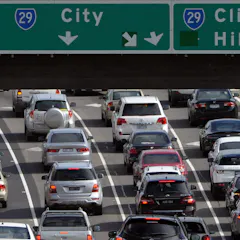
On average, people won’t accept a commuting time of more than an hour. As cities grow ever bigger, new road projects can’t achieve this, yet policymakers still rely on modelling that defies evidence.
Top contributors
-

Professor of Sustainability, Curtin University
-
Transport and Cities Program Director, Grattan Institute
-
Honorary Principal Fellow, University of Wollongong
-
Professor of Transport Technology and Sustainability, Swinburne University of Technology
-
Associate Professor and Principal Fellow in Urban Risk and Resilience, The University of Melbourne
-
Researcher in Transport Policy and Governance, UCL
-
Honorary Professor of Transport Studies
-
Chris Rissel is a Friend of The Conversation.
Senior Research Fellow, College of Medicine and Public Health, Flinders University
-
Professor of Operations Management, Manchester Metropolitan University
-
Visiting Research Fellow, Intelligent Mobility, Manchester Metropolitan University
-
Associate Professor in Urban Planning, The University of Queensland
-
Adjunct Professor, School of Engineering and Built Environment, Griffith University
-
Professor and Director, Institute of Transport and Logistics Studies, University of Sydney
-
Professor of Transport Governance, University of Leeds
-
Research Fellow, GAMUT, The University of Melbourne