

One in three people worldwide carry a brain-dwelling parasite. Should that keep us awake at night? And are you at risk if you don’t have a cat?
Articles on Toxoplasmosis
Displaying 1 - 20 of 21 articles
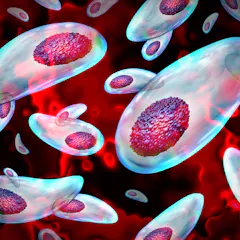
If you’ve handled cat litter or eaten raw meat or unwashed produce, there’s a chance you might have a permanent toxoplasmosis infection spread throughout your body.

Some cat owners say ‘providing for the cat’ increases their feelings of enjoyment and sense of purpose.

Getting drugs into the brain is a challenge. A new study suggests a brain parasite may be able to help.

Pregnant people can contract toxoplasmosis, which causes birth defects like blindness and brain defects. The parasite is more common than you might think.

Common summer activities can expose you to a host of infectious diseases. But there are simple steps you can take to protect yourself from pathogens ranging from E. coli to T. gondii.

Animals, including the ones that live in our homes, can carry all kinds of illnesses. Most of the time it’s not a problem, but here’s what you should do to avoid getting sick.

Digging is a natural and important behaviour for cats – trying to interrupt it may cause stress and confusion for your pet. But if your cat is kicking litter everywhere, here are a few tips to try.
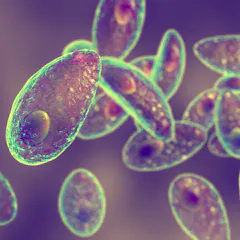
We looked at eye photos and found one in every 150 Australians might have scarring from a common parasitic disease.

Normally land-bound pathogens that cause deadly diseases for both humans and animals can cling to microplastics and end up in your seafood.

The parasite which causes toxoplasmosis has shown promise in treating difficult tumours in mice.

Māui dolphins are at risk of extinction. With a marine mammal sanctuary in place since 2008, the risk from fisheries is now largely under control. It’s time to take other threats more seriously.

Don’t share your toilet with your pet, or treat your toilet like a flushable garbage bin. It could lead to dangerous diseases, and clog sewer pipes.

When cats were introduced to Australia, they brought several diseases with them. These diseases are taking a big toll on human health and the economy — but there are things we can do.

Toxoplasma already infects a third of the world’s population but it’s very hard to study and so treat.

The parasite Toxoplasma gondii infects hosts, causes cysts in the brain and changes the behavior of the host. But is the microbe changing the hosts behavior or is the immune system to blame?

An unexpected breakthrough looks promising for finding new drugs to treat two deadly diseases.

From losing inhibitions and anger to schizophrenia and dementia – science is uncovering the role small critters play in a range of illnesses and behaviours.

Food-borne diseases will continue to thrive unless Africa’s meat inspection programmes are upgraded.

Feral cats are a huge threat to our native wildlife, hunting and killing an estimated 75 million animals across Australia each and every night. But the killing spree doesn’t end there. There’s a parasite…
Top contributors
-

Professor of Microbiology and Immunology, Indiana University
-
Associate Professor, School of Animal and Veterinary Science, Adelaide University
-
Scientia Professor of Evolution, UNSW
-
PhD researcher, Cornell University
-
Reader in Ecological Genetics, Liverpool John Moores University
-
Associate Lecturer, Ecology and Environmental Sciences, Adelaide University
-
Associate Professor of Ophthalmology, Universidade de São Paulo (USP)
-
Professor of Interdisciplinary Parasitology, University of Nottingham
-
Researcher, School of Animal and Veterinary Science, Adelaide University
-
Professor, Te Kunenga ki Pūrehuroa – Massey University
-
Professor of Wildlife Conservation, Australian National University
-
Associate Professor, WEHI (Walter and Eliza Hall Institute of Medical Research)
-
Associate Professor of Pathology, Microbiology and Immunology, University of California, Davis
-
Adjunct Research Fellow, University of New England
-
Project Officer, School of Earth and Environmental Science, The University of Queensland