
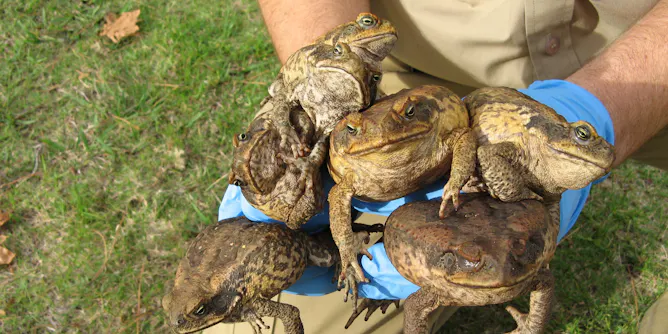
It sounds weird, but releasing small cane toads ahead of the main invasion front can help predators learn to avoid the biggest, most toxic ones. Here’s exactly how it works.
Articles on Toxins
Displaying 41 - 60 of 60 articles

A natural byproduct could clean up polluted and war-ravaged land.

Does the liver really respond to an over-the-counter product that claims to ‘detoxify’ or ‘heal’ its function?

Parkinson’s disease is the second-most-prevalent neurodegenerative condition in Australia, with an estimated 70,000 living with the disease. But what do we know about the causes and risk factors?

The University of Michigan-Flint puts experts from academia in the same room as Flint community members, an innovative model for educating the community and forming the public health response.

It’s not just Australia’s animals that can be deadly, there are plenty of dangerous plants too.

The human body is a comprehensive, self-mending, self-detoxing apparatus that will perform its tasks regardless of whether you’re undertaking a rigid detox cure, or a gourmet food and wine marathon.

Shopping for a gold ring? New guidelines seek to be the rough equivalent of Fair Trade for small-scale gold mining.
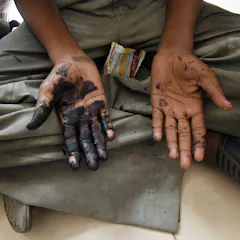
Regulations are catching up with toxic chemicals we’re exposed to as products’ end users. But workers in un- or underregulated places are still at risk, even from chemicals designed to be “green.”
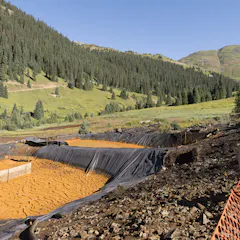
Newly released data show how the hundreds of abandoned mines in the western US discharge the same volume as the Gold King Mine spill every two days.

Cancer is caused by a combination of genetic and environmental influences – a kind of genetic lottery where the odds are stacked by environmental and lifestyle factors.

California is the latest state to attempt to ban microplastics from consumer care products. Why these commonly used microbeads are causing major health and environmental problems.

Soil, dust and air-based exposure to lead can interfere with a child’s developing nervous systems and cause behavioural and developmental problems.
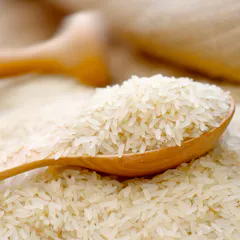
Tests have shown that arsenic in rice often exceeds recommended daily levels, yet there are no in-food arsenic safety standards. Why not?
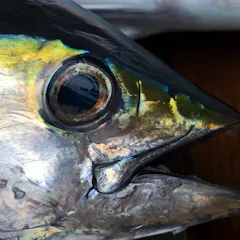
Whether man-made sources of mercury are contributing to the mercury levels in open-ocean fish has been the subject of hot debate for many years. My colleagues Carl Lamborg, Marty Horgan and I analyzed…

Environmental health research has confirmed that chronic, low-level exposure to toxins in our environment – including our food, air and water – can have a significant impact on our health. We need to expand…
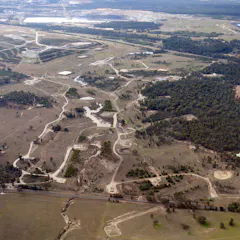
The long-awaited independent review of coal seam gas (CSG) in New South Wales, released last week by the NSW Chief Scientist, highlighted many risks and uncertainties around human health from exposure…
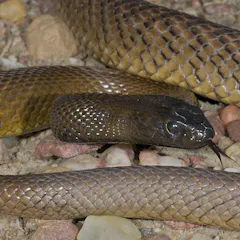
Australia is world famous for its venomous critters, including its many highly venomous snakes. The snake that holds the popular title of “world’s most venomous” is the inland taipan (Oxyuranus microlepidotus…

We’re increasingly realising that the child’s physical and chemical environment plays a significant role in criminal behaviours later in life.

Vaccination is one of the most important preventative measures against serious illness, but its very success may be working against it. With parents no longer having the experience of the devastating diseases…
Top contributors
-

Professor Emeritus of Chemical and Biological Engineering, Biomedical Engineering, and Public Health, Colorado State University
-
Honorary Professor, School of Natural Sciences, Macquarie University
-
Senior Lecturer in Pharmacology, Adelaide University
-
Professor of Children's Environmental Health, Simon Fraser University
-
Postdoctoral Fellow in Conservation Biology, University of California, Davis
-
Emeritus Professor of Civil and Environmental Engineering, Colorado School of Mines
-
Director: Unit for Environmental Sciences and Management, North-West University
-
Professor in Evolutionary Biology, Macquarie University
-
Postdoctoral fellow, Harvard University
-
Emeritus Professor of Medicine, Adelaide University
-
Assistant Professor of Clinical Medicine-General Internal Medicine and Geriatrics, Northwestern University
-
Researcher, Faculty of Veterinary Medicine, Hokkaido University
-
Associate professor, North-West University
-
Senior Research Fellow and NHMRC Emerging Leadership Fellow, Macquarie University
-
Research scientist, University of Hohenheim