

For most people, handling receipts is a low-risk activity, but if you’re concerned, there are some straightforward precautions you can take.
Articles on Toxicology
Displaying 1 - 20 of 57 articles

There’s no such thing as a ‘chemical-free’ life, but some simple steps can help you minimize exposures to daily chemicals.
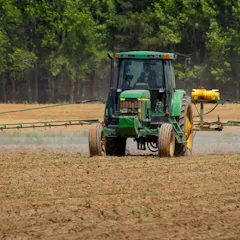
Paraquat is one of the most widely used herbicides around the world. An expert explains what we know about the risk of Parkinson’s disease.

You might know to steer clear of green potatoes and rhubarb leaves. That’s because they produce toxins that can make humans sick.
You can have a severe allergic reaction to this herbal medicine even if you’ve previously taken it without any problems.
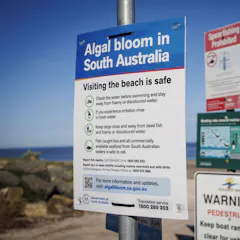
Wave action can produce aerosol droplets containing brevetoxins, and people with asthma are at risk.
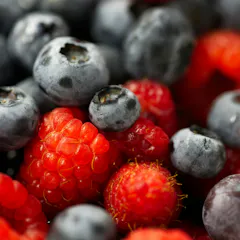
Australia’s love affair with berries has prompted new advice about a common pesticide. But the risk of harm is low.
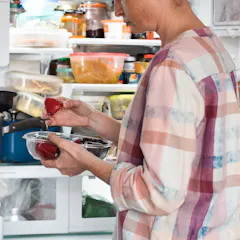
Molds and bacteria can produce dangerous toxins − and they don’t taste very good, either.
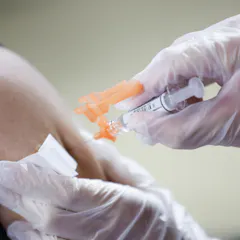
US health panel moves against thimerosal in vaccines.
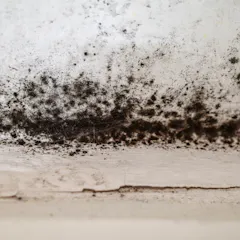
We still hear black mould in our homes described as toxic. But it’s the allergies and asthma they trigger we should be more worried about.
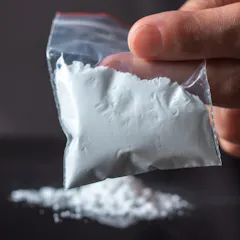
Accidentally taking heroin when you thought it was cocaine or methamphetamine can be deadly, new research confirms. Here’s what to watch out for.

Thousands of chemicals in industry haven’t been thoroughly tested for their safety and toxicity. Researchers are working to standardize quicker, cheaper and more ethical methods to assess chemicals.
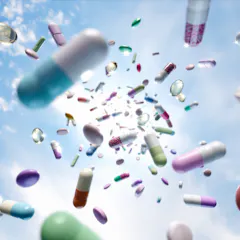
Your physical environment, social life and lifestyle have as much an influence on your biology − and hence, how you process drugs − as your genes.

While scientists still aren’t sure how phosphine wreaks so much havoc on the body, some are developing medications that can help mitigate the harm it causes.
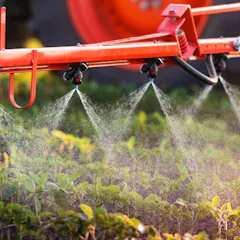
A study in rats shed new light on how the chemical can inhibit thyroid function. For unborn babies, this may cause irreversible harm.
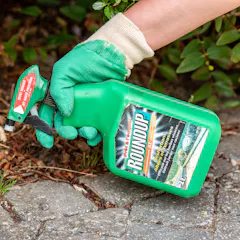
The Federal Court has dismissed a class action against the makers of Roundup, saying there’s not enough evidence the active ingredient, glyphosate, causes cancer.
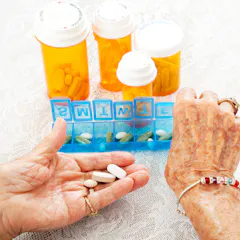
In the majority of cases, medications help patients. But even when treatment of individual illnesses is effective, treatment as a whole can become problematic.
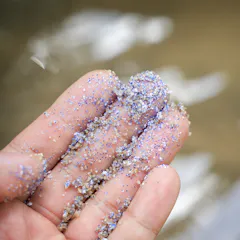
Microplastics are created when everyday products – including clothes, food and beverage packaging, home furnishings, plastic bags, toys and toiletries – degrade.

Wildfire smoke, even from fires far away, carries potentially harmful gases that, once inside, tend to stick around. An air quality specialist offers an easy, cheap, effective way to deal with it.
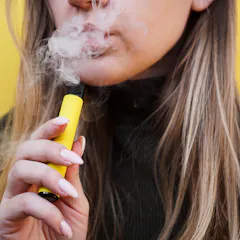
It’s not just the ingredients we should be concerned about. The devices themselves release chemicals that end up in our blood and urine.
Top contributors
-

Senior Lecturer in Pharmacology, Adelaide University
-
Professor Emeritus of Chemical and Biological Engineering, Biomedical Engineering, and Public Health, Colorado State University
-
Conjoint Associate Professor in Clinical Pharmacology and Toxicology, St Vincent’s Healthcare Clinical Campus, UNSW
-
Professor of Chemistry, RMIT University
-
Professor, School of Medicine, University of Connecticut
-
Clinical Senior Lecturer, Sydney Pharmacy School, Faculty of Medicine and Health, University of Sydney
-
Research fellow, University of Exeter
-
Professor of Microbiology and Immunology, Indiana University
-
Research Director, Australian Microplastic Assessment Project (AUSMAP); Honorary Senior Research Fellow, School of Natural Sciences, Macquarie University
-
Honorary Professor, School of Natural Sciences, Macquarie University
-
Postdoctoral Fellow in Conservation Biology, University of California, Davis
-
Lecturer, Environmental Epidemiology & Exposure Assessment, Imperial College London
-
Research Scientist, The University of Queensland
-
Senior Lecturer in Environmental Health, UNSW
-
University of Washington