

Many people wrongly assume that cannabis use during pregnancy is safe. Research is increasingly documenting a host of serious health harms from prenatal exposure to cannabis and other substances.
Articles on Tobacco
Displaying 41 - 60 of 252 articles

Nicotine pouches are placed between the lip and gum, and users absorb the nicotine in their mouths. Although these products don’t contain tobacco, this doesn’t mean they’re safe.
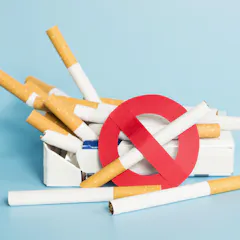
Our recent study shows that the creation of local smoke-free areas has faced numerous challenges due to the complexities involved in translating national laws into local laws.

Tobacco harms the very structure of our cells, and affects almost every part of our bodies and nervous systems.

Research shows many smokers regret starting the habit. So why are we repealing the law that would have made smoked tobacco products less addictive?

Since the Victorian age, tobacco has been a form of stress relief.

Climate change is seeing more of us with mental health problems and harmful substance use. So we need to start planning now.
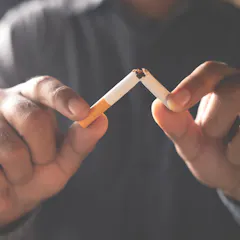
A previous attempt to introduce such a ban in the Philippines was struck down by an industry-funded lawsuit.

Clinical trials have demonstrated the health benefits of cannabis for certain conditions, but many aren’t testing smoked or vaped forms. Research on cannabis smoke is raising concerns.

Our study of six Asia-Pacific countries found that there would be a remarkable return on investment from higher tobacco taxes. The Philippines, Australia and New Zealand have already shown it works.

In low-income countries, tobacco use is often associated with lower income and less education. These users can’t afford to pay for counselling and medication.

About half of people involved in tobacco lobbying held positions in Australian governments before or after working for the tobacco industry.

The drugs cytisine and varenicline are both effective at helping people stop smoking, but getting hold of them is not easy.

Many people who vape saying they are trying to quit or to cut down on cigarettes.

E-cigarettes may be a useful tool to help people quit smoking, but emerging evidence shows how important it is to make this only the first step in giving up altogether.

Reductions in the affordability of cigarettes will ensure significant reductions in tobacco use.

Big Tobacco’s efforts to rehabilitate its image should not go unchallenged because the tobacco industry’s goal remains advancing corporate profit at the expense of public health.

In places around the world that lack restrictions to combat the problem, tobacco companies are using marketing strategies aimed at children, like displaying tobacco products at kids’ eye level.

The proposed standard would lower the nicotine content in cigarettes and cigars by 95% – a public health proposal that could prevent millions from becoming smokers in the first place.

Legislation now entering parliament aims to make Aotearoa New Zealand smokefree by 2025. Forecast effects show huge potential health gains, especially for Māori.
Top contributors
-

Emeritus Professor in Public Health, University of Sydney
-
Professor in Public Health, University of Sydney
-
Assistant Professor of Health Promotion and Policy, UMass Amherst
-
Director, NHMRC Centre of Research Excellence on Achieving the Tobacco Endgame and ARC Future Fellow, The University of Queensland
-
Adjunct Senior Lecturer, Centre for Primary Health Care and Equity, University of New South Wales, UNSW
-
Professor of Economics and Director of the Research Unit on the Economics of Excisable Products, University of Cape Town
-
Professor of Public Health, The University of Melbourne
-
Research Officer, Research Unit on the Economics of Excisable Products, University of Cape Town
-
Associate Professor in Criminology, Deakin University
-
Associate Professor of Health Management and Policy and Global Public Health, University of Michigan
-
Professor of Public Health/Director, Tobacco Control Research Group, University of Bath
-
Professor of Health Policy, Curtin University
-
Honorary Fellow, Department of Health Sciences, University of York
-
Senior Lecturer (Associate Professor) in Business Economics, University of Bath
-
Lecturer & Senior Researcher in Evidence-Based Healthcare, University of Oxford