

The review found vapes containing nicotine were more effective at helping people quit cigarettes than these other methods.
Articles on Tobacco control
Displaying 1 - 20 of 92 articles
Smoking isn’t back. New data show Australia’s tobacco control laws are working.

Letting a global tobacco giant give evidence to a parliamentary committee behind closed doors is one of many lobbying tactics Australia has allowed.

New research analysing a rare heroin drought offers lessons as Australian states try to crack down on illegal tobacco.
Retailers have a three-month grace period to sell any old stock already in their stores. Here’s what’s behind these changes – and what needs to happen next.

Retail outlets already or will soon need to have a licence to sell cigarettes. But there aren’t restrictions on the number of licensed outlets.

South Africa wants to introduce an excise tax on alcohol to make sure no alcoholic drink can be sold below a certain price.
The outlook for the tobacco industry is uncertain. This is unlikely to change.

Under the new law, the legal age for cigarette sales will increase by a year each year from 2027. This means people born from 2009 will never be able to legally buy cigarettes in the UK.

If the scheme isn’t successful, some people may continue using illicit vapes, or to switch to traditional cigarettes.

Vapes will be harder to access from today, but the restrictions are staged, with some due to roll out later in the year. Here’s what’s changing.

Social media platforms have policies prohibiting the promotion of tobacco products, including vaping. But these policies are routinely violated, with little or no consequences.

About half of people involved in tobacco lobbying held positions in Australian governments before or after working for the tobacco industry.
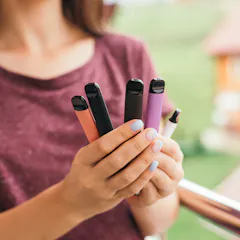
Many people who vape saying they are trying to quit or to cut down on cigarettes.

Governments and health bodies agree: it’s time for action on vape imports and sale. But which option will they choose?

A new review has examined the research on vaping. It found Australia is in need of a pragmatic harm reduction approach.

It’s often said if cigarettes were invented tomorrow, and we knew now what we didn’t know then, they would be banned outright. But vaping is showing us we’re repeating the same mistakes.
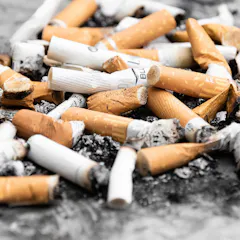
Australia’s approach is welcome but doesn’t go far enough. New Zealand’s plans are much bolder. Here’s how they compare.

South Africa was once a leader in tobacco use control but has since fallen behind, and smoking prevalence has steadily increased.

Most teens got their vape from their friends. But of those who bought their own, one-third bought it at the servo, tobacconist or convenience store.
Top contributors
-

Emeritus Professor in Public Health, University of Sydney
-
Professor in Public Health, University of Sydney
-
Professor of Medicine, University of California, San Francisco
-
Emeritus Professor, National Centre for Youth Substance Use Research, The University of Queensland
-
Director, NHMRC Centre of Research Excellence on Achieving the Tobacco Endgame and ARC Future Fellow, The University of Queensland
-
Research Fellow at The Daffodil Centre, University of Sydney
-
Adjunct Senior Lecturer, Centre for Primary Health Care and Equity, University of New South Wales, UNSW
-
Professor of Economics and Director of the Research Unit on the Economics of Excisable Products, University of Cape Town
-
Adjunct researcher, University of Tasmania
-
Specialist Scientist, Alcohol Tobacco and Other Drug Research Unit, South African Medical Research Council
-
Emeritus Professor, University of Tasmania
-
Senior Researcher in Law, University of Gothenburg
-
Lecturer in Department of Economics,, Universitas Indonesia
-
Political Scientist, University of Bath
-
Professor, Director of Research and Statistical Support Service and Program Leader for Substance Use and Mental Health, Centre for Health Services Research, The University of Queensland