

Nicotine products like pouches and patches are being promoted for cognitive enhancement, stress reduction, improved athletic performance and much more – with little scientific evidence.
Articles on E-cigarettes
Displaying 1 - 20 of 135 articles
A new FDA survey finds some positive trends among young people in the US, though new forms of nicotine use like pouches have become a bit more popular.

The ice flavours that make vaping feel smooth and refreshing may do more than trick your brain – researchers are finding effects on the heart and blood vessels too.
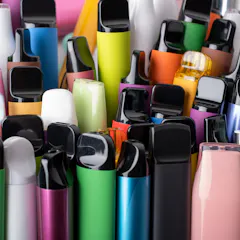
Flavored vapes draw new users – especially young people. On the flipside, they can also help some people quit smoking. Makary’s resignation makes it clear that the controversy isn’t going away.
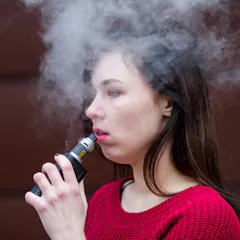
Vaping was sold as the safe alternative to smoking. The evidence is now telling a more complicated – and more worrying – story.

Fuelling these shopfronts is a thriving black market and a flawed policy approach. It’s time for viable, effective solutions.
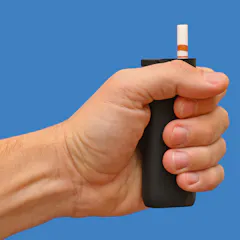
Tobacco companies say that heated tobacco products have fewer health risks than cigarettes, but there is little clear data to support that claim.

Nicotine use during adolescence harms the developing brain. South Africa needs to act to stop this harmful habit.

Text message-based programming and the drug varenicline were the only 2 strategies that were shown to be effective for quitting vaping.
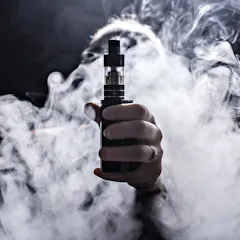
Research suggests that the multitude of products is confusing.

The program will raise awareness about the dangers of vaping, and hopefully support changes in vaping attitudes and behaviours among young people.

Changes to the bacterial balance in the mouth can trigger inflammation and other harmful effects in the body.

People with mental health concerns are more likely to start vaping, have worse symptoms while vaping and find it harder to quit.

The most common vapes on the market are single-use, disposable ones. They contain valuable resources, yet aren’t designed to be recycled.

It’s a conundrum: While vaping can help some adults stop cigarette smoking, it also appeals to young people who may take up the habit.

Online advertising featuring bright colors, cartoon figures and promotions by social media influencers entice adolescents to try tobacco.
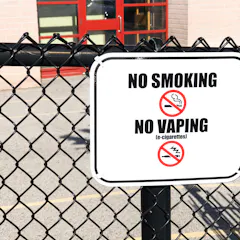
In an underfunded education system, in a context of deteriorating public supports, we are turning toward intrusive technologies to contain and control the social pain of young people.
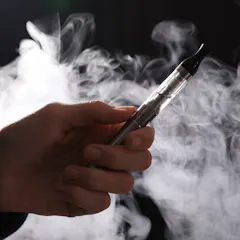
One in five underage adolescents vape occasionally, and nearly 28% of Māori youth vape regularly. Most get their product by sharing and asking older friends to buy vapes for them.

Here’s what to look for when you’re browsing for apps.

Times have changed. While in decades past we watched anti-smoking campaigns on TV, we now need anti-vaping messages on TikTok.
Top contributors
-

Emeritus Professor in Public Health, University of Sydney
-
Assistant Professor of Health Promotion and Policy, UMass Amherst
-
Associate Professor of Social and Behavioral Sciences, Rutgers University
-
Professor in Public Health, University of Sydney
-
Associate Professor, Nuffield Department of Primary Care Health Sciences, University of Oxford
-
Research Affiliate, The University of Sydney, University of Sydney
-
Professor of Community Health and Health Behavior, University at Buffalo
-
Academic and Director Collaboration for Evidence, Research and Impact in Public Health, Curtin University
-
Adjunct Senior Lecturer, Centre for Primary Health Care and Equity, University of New South Wales, UNSW
-
Tobacco treatment, UNSW
-
Director, NHMRC Centre of Research Excellence on Achieving the Tobacco Endgame and ARC Future Fellow, The University of Queensland
-
Professor and Dean, School of Public Health, Georgia State University
-
Specialist Scientist, Alcohol Tobacco and Other Drug Research Unit, South African Medical Research Council
-
Professor, Melbourne Centre for Behaviour Change, The University of Melbourne
-
Bruce and John Usher Professor of Public Health, University of Edinburgh