

Research shows that a higher excise tax rate on tobacco would result in a decrease in the number of people who smoke.
Articles on Tobacco
Displaying 101 - 120 of 252 articles

The National Tobacco Control Act gives the tobacco industry inside access to the decision making process.

Many of the crop plants that feed us waste 20 percent of their energy, especially in hot weather. Plant geneticists prove that capturing this energy could boost crop yields by up to 40 percent.

Smoking rates are high among Australians with a mental illness. Quitting is likely to improve their physical and mental health; supporting them to do so should be part of mental health care.

The biggest problem in the Indonesian universal healthcare program is that members’ contribution is less than the spending to pay claims for hospitals and other health services.

Beyond medication and psychological treatments, there are steps all of us can take to alleviate stress, improve our mood and take care of our mental health. Here are five to get you started.

The Canadian government is currently drafting regulations on plain packaging for cigarettes. Tobacco companies are trying to weaken the regulations via lobbying and misleading PR campaigns.

A common smoking cessation drug doesn’t appear to work for shisha smokers.

Enslaved workers used to grow cotton and mill flour. Now prisoners grind beef and crate eggs. Here, a historian explores Americans’ troubling habit of consuming the products of slave labor.

How industry-funded data on tobacco smuggling exaggerates the scale of the problem.
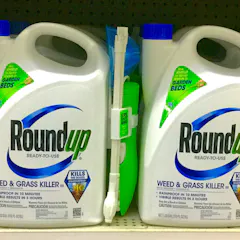
Hundreds of lawsuits against Monsanto contend that its popular Roundup weed killer gave users cancer. But proving this kind of connection is challenging in both science and law.

As the climate changes and the population grows, meeting the demand for food will become more difficult as arable land declines. But an international team of scientists has figured out an innovative solution to dramatically bumping up crop yields.

Indonesia has the region’s highest rate of smoking among youths – one in five between the ages of 13 and 15 smoke. What should the government should do to stop youth from smoking?

Not the sort of amount you’d want to lose down the back of the sofa.

While many of its Asian neighbours are striving to get smoking under control, Indonesia is the stubborn exception.

South Africa’s proposed new tobacco laws will tighten the grip on how cigarettes and other tobacco products are sold, marketed and regulated in the country.

On World No Tobacco Day, the focus is usually on the health risks of cigarettes. But what about the way Big Tobacco exploits impoverished farmers in Malawi?

Despite talk of a smoke-free world, Big Tobacco is up to its same old tricks.

The e-cigarette industry emerged as an alternative to traditional tobacco, but now it’s dominated by Big Tobacco. That’s why transnational regulations are needed for the industry.

Quit smoking, quit drinking – so many good resolutions for the New Year. But can the overabundance of messages on healthy living become counter-productive?
Top contributors
-

Emeritus Professor in Public Health, University of Sydney
-
Professor in Public Health, University of Sydney
-
Assistant Professor of Health Promotion and Policy, UMass Amherst
-
Director, NHMRC Centre of Research Excellence on Achieving the Tobacco Endgame and ARC Future Fellow, The University of Queensland
-
Adjunct Senior Lecturer, Centre for Primary Health Care and Equity, University of New South Wales, UNSW
-
Professor of Economics and Director of the Research Unit on the Economics of Excisable Products, University of Cape Town
-
Professor of Public Health, The University of Melbourne
-
Research Officer, Research Unit on the Economics of Excisable Products, University of Cape Town
-
Associate Professor in Criminology, Deakin University
-
Associate Professor of Health Management and Policy and Global Public Health, University of Michigan
-
Professor of Public Health/Director, Tobacco Control Research Group, University of Bath
-
Professor of Health Policy, Curtin University
-
Honorary Fellow, Department of Health Sciences, University of York
-
Senior Lecturer (Associate Professor) in Business Economics, University of Bath
-
Lecturer & Senior Researcher in Evidence-Based Healthcare, University of Oxford