
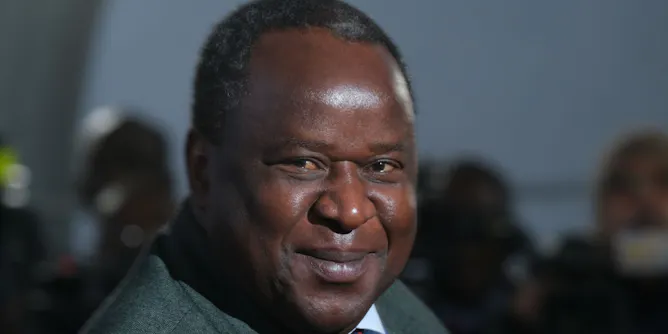
It is difficult to think of a South African economic policymaker who has left such an enduring legacy.
Articles on Tito Mboweni
Displaying 1 - 20 of 24 articles
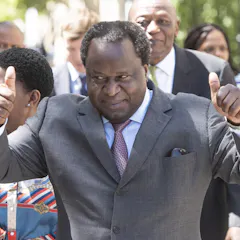
Mboweni leaves a legacy of a successful transformation from a freedom fighter to a businessman, central banker and politician.
Medium-term expenditure frameworks can be useful only when they are based on comprehensive medium-term development plans.

South Africa’s National Treasury now proposes to reduce salaries. On the face of it this seems sensible. But the fundamental issue is the structure of the public service.
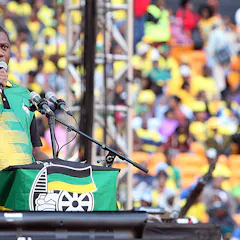
Since parties always need money, forcing them to depend on private funders means throwing them into the hands of donors who will demand favours for their cash.
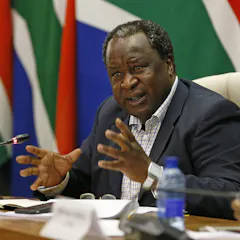
Resolution of South Africa’s fiscal crisis depends on faster economic growth which must be led by private investment. Fiscal consolidation is necessary but without growth debt will not stabilise.
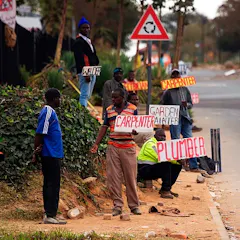
Economic distress was the norm for many before the coronavirus outbreak. The pandemic is an opportunity to provide an economically secure future for all.
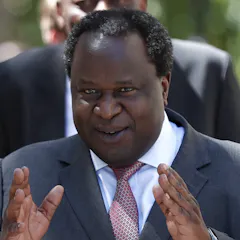
The South African government is hamstrung by the country’s fiscal and economic situation. And short of ideas about how to get out of it.
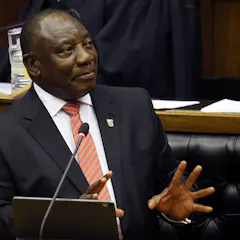
President Ramaphosa’s state of the nation speech showed his preference for less contentious matters that attract praise, rather than catalytic decisions.
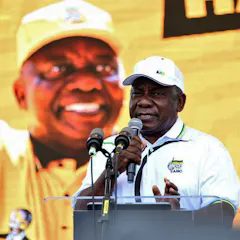
The year ahead promises to be a very difficult but also a very decisive year for South Africa. Is President Ramaphosa equal to the challenge?
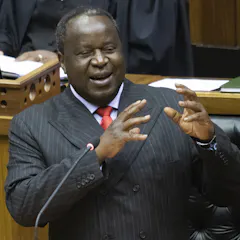
A major concern is that the government’s resolve is strongest on policies that are actually quite suspect.

President Cyril Ramaphosa and his Finance Minister Tito Mboweni appear to have good intentions for the economy. But that’s not enough.

Politicians oppose toll roads on Johannesburg’s highways, yet they are textbook example of progressive taxation that favours the poor.
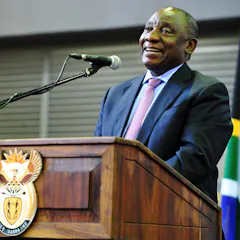
President Cyril Ramaphosa has to ensure that reform of critical institutions is placed first. Everything else will be compromised if this fails.

South Africa isn’t having an honest debate about proposals to fix its power utility Eskom, and the role that renewables might play.

Government support for the arts, culture and heritage is important even in tough economic conditions.
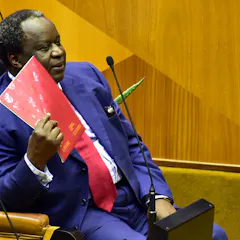
South Africa’s latest budget was a necessary stop-gap after the ravages of the past decade. But it didn’t have ideas that addressed the needs of poor people.
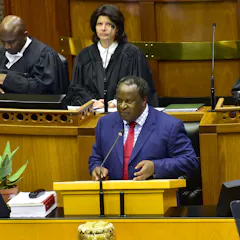
South Africa’s finance minister delivered a budget that tried to balance serving the public interest, while maintaining the stability of public finances.
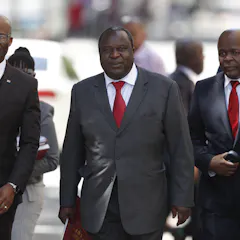
South Africa needs to urgently step up its efforts to drive economic growth by harnassing the power of the state, as well as the markets.
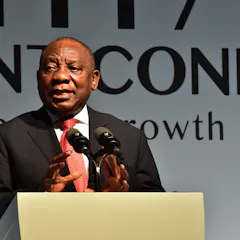
South Africa’s president has firmly thrown his weight behind the private sector. This could prove significant.
Top contributors
-

Senior Research Associate, University of Johannesburg
-
Professor of Political Studies, University of Johannesburg
-
Professor of Economics, University of the Western Cape
-
Visiting Professor at the Business School, University of the Witwatersrand
-
Head: Wits School of Governance, University of the Witwatersrand
-
Lecturer (Assistant Professor), King's College London
-
Research Director, North-West University
-
Executive director, Africa Institute of South Africa, Human Sciences Research Council
-
Associate Professor of Political Science, University of Johannesburg
-
Associate professor, University of Johannesburg
-
Adjunct Professor, University of the Witwatersrand
-
Professor of Economics and Researcher at the South African Cultural Observatory, Rhodes University
-
Research Associate, Stellenbosch University
-
Associate research scientist, Nelson Mandela University
-
Senior Research Fellow New South Institute, Emeritus Professor at The Nelson Mandela School of Public Governance, University of Cape Town