

Some medical conditions involve cartilage tissue loss, which is why skin grafting is vital. Lab-grown cartilage could be the way forward for human tissue repair and reducing animal testing.
Articles on Tissue engineering
Displaying all articles

Technological changes on the horizon will likely disrupt the dairy industry as we know it — plans to mitigate the risks this transition poses to farmer livelihoods and animal welfare should start now.

A biomedical engineer explains how human-made materials inserted in the body hold hope to repair painful injuries more efficiently than bone grafts.
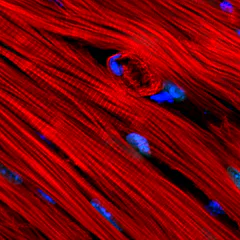
Heart disease can change the genetic structure of heart cells. Understanding the role that mechanical forces play in these changes could lead to improvements in artificial tissue design.
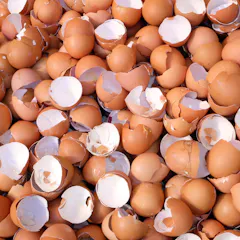
Bioengineers who are trying to grow replacement human tissues and organs are at the forefront of biomedicine. But you may be surprised by some of the materials they are using for this endeavor.
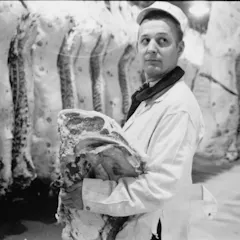
It’s relatively easy to grow a bunch of animal cells to turn into a burger. But to grow a steak made of cultured meat is a trickier task. Bioengineers must create organized, three-dimensional tissues.

We developed the world’s first self-curving artificial cornea.

To do the jobs “nuts-and-bolts” robots aren’t good at, engineers are creating soft living machines powered by muscle cells.
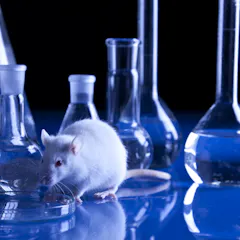
Why are animals still being used in drug development and what are the alternatives that could end their use altogether?
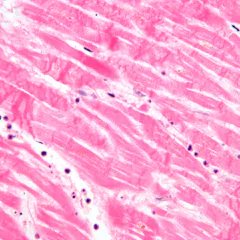
Stem cells hold great promise for treating heart disease. But it’s not so simple to get from stem cell to fully functioning adult heart cell, even in the lab.
Researchers in Columbia have, for the first time, grown fully-functional human cartilage in a laboratory. The tissue was…
Cell growth has been given another dimension as researchers learn to measure and classify the shapes cells take in different…
“Mini brains” with separate working regions have been grown using stem cells in the lab for the first time. They have similarities to an embryo in the womb up to nine weeks. Under the right conditions…
Top contributors
-

Principal Enterprise Fellow, University of Huddersfield
-
Senior Scientist and Deputy Scientific Director, IMBA
-
Post-Doctoral Researcher in Tissue Engineering, Newcastle University
-
Marie Curie Postdoctoral Fellow, IMBA
-
Postdoctoral fellow, Case Western Reserve University
-
PhD Student in Molecular Biology & Biochemistry, University of California, Irvine
-
Emeritus Professor at the MRC Centre for Regenerative Medicine, University of Edinburgh
-
Cellular Agriculture PhD Candidate, Tufts University
-
Assistant Professor, Trent School of the Environment, Trent University
-
Pharmacology PhD Student, Boston University
-
Professor of Mechanical and Biomedical Engineering, University of Colorado Boulder
-
Associate Director, Food and Agriculture Institute, University of The Fraser Valley
-
Assistant Professor of Biomedical Engineering, University of Florida
-
Assistant Professor of Chemical Engineering, UMass Lowell
-
Postdoctoral research fellow, L’Université d’Ottawa/University of Ottawa