

Psilocybin could be an unexpected avenue for treating an injury that currently has few options beyond rest and symptom management.
Articles on Animal testing
Displaying 1 - 20 of 34 articles

Around 200 million animals are used in lab research around the world each year. Organoids may one day replace them.

Some medical conditions involve cartilage tissue loss, which is why skin grafting is vital. Lab-grown cartilage could be the way forward for human tissue repair and reducing animal testing.
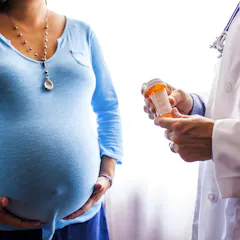
Recent progress in understanding drug safety during pregnancy is at risk due to cuts to medical research funding.

Thousands of chemicals in industry haven’t been thoroughly tested for their safety and toxicity. Researchers are working to standardize quicker, cheaper and more ethical methods to assess chemicals.
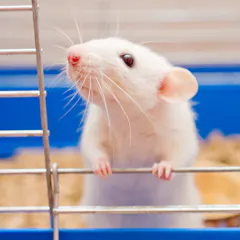
Telling people an animal is destined for the laboratory makes them take a dimmer view of its mental abilities.

Horseshoe crabs play a unique role in medicine, but they’re also ecologically important in their home waters along the Atlantic coast. Can regulators balance the needs of humans and nature?

As well as the important ethical reasons for minimising animal use in research, the reality is sometimes animals just aren’t that good at predicting human responses.
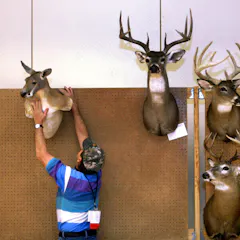
Humans must kill animals in many cases, but they can still modify their behaviours to improve the welfare of animals while they are alive.

People moved by the plight of the animals in ‘Guardians of the Galaxy Vol. 3’ should channel their emotions into meaningful action for real animals.
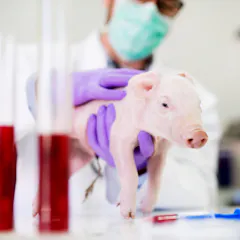
Although there are rules that govern animal research, they don’t answer one important question: when are the gains from research enough to justify the harms it may inflict?

The public’s lack of knowledge about animal research can cause a moral conflict. Institutions that use animals in research need to be more transparent about their practices.

Laboratory mice used in medical research are often kept in housing conditions that cause them to be overweight and stressed, with shorter lifespans.
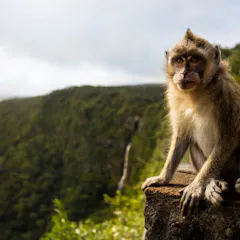
Macaques are an alien species - and the endemic plants and animals of the island haven’t adapted to protect themselves against these monkeys.

Medical research to benefit people is first conducted in animals. Creating a new biomedical model by inserting human immune cells into pigs may lead to new insights and treatments.
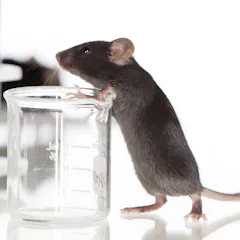
The new laws are an improvement, but still allow for continued cruelty to animals in the name of testing, and need to be more stringent.
A new machine-learning algorithm does more with less.

Testing new industrial chemicals is essential for public health and the environment. But animal testing is costly, and too many chemicals are left untested. A new AI tool may solve the problem.
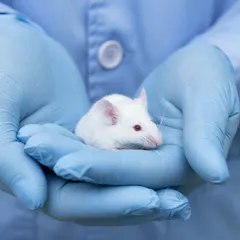
Humans are not big mice so why are we still testing on these animals?

Many people feel conflicted about the use of animals in scientific research. But what is actually involved?
Top contributors
-
Honorary Associate, Australian Institute for Primary Care and Ageing, La Trobe University
-

The University of Melbourne
-
Adjunct Professor in Animal Welfare, Curtin University
-
Research officer, Macquarie University
-
Postdoctoral Researcher in Mitochondrial Biology and Metabolism, University of Padua
-
Professor of Genotoxicology and Cancer, Swansea University
-
Manager, Cancer Research Program, Monash University
-
Post-doctoral Research Fellow, Vancouver Island University
-
Professor of Environmental Health and Engineering, Johns Hopkins University
-
Research Associate, University of Manchester
-
Senior Fellow at Research for Social Change, University of Wollongong
-
Clinical Professor of Surgical Research, Queen Mary University of London
-
Head, Cancer Research Program, Monash University
-
Professor, Swansea University Medical School, Swansea University
-
Deputy Director Of The Centre For Professional Ethics, University of Lancashire