
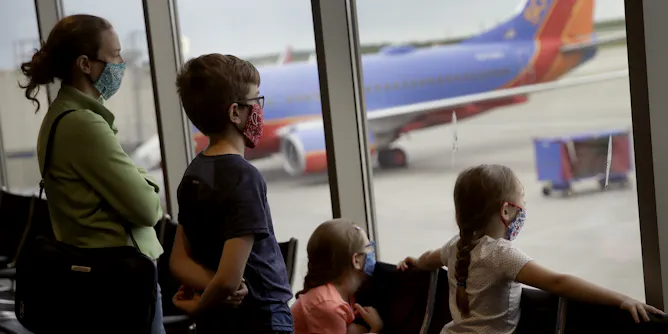
Over the approaching holidays, people around the world will want to travel to see friends and family. Getting tested for the coronavirus can make this safer, but testing alone is not a perfect answer.
Articles on Testing
Displaying 21 - 40 of 77 articles

States have been experimenting with more targeted approaches to slow the coronavirus’s spread. Two strategies stand out.
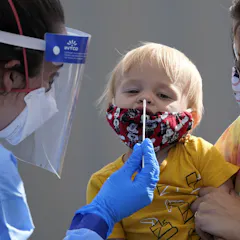
The new BinaxNOW antigen test is quick, easy, accurate and cheap. It could solve the US testing problem, but the emergency use authorization only allows people with COVID-19 symptoms to get tested.
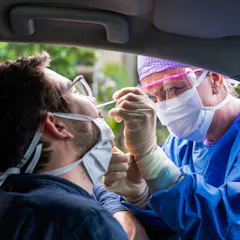
Here’s what you need to know about the newer COVID-19 test that’s gentler on your nose.
Testing large numbers of people regularly would reduce the spread of the coronavirus in the US. Laboratory testing is slow and expensive, but rapid screening tests could be the answer.
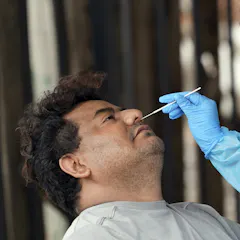
Test positivity rates measure the success of a testing program. Even though the US performs a huge number of tests, high test positivity rates across the country show that that it still isn’t enough.
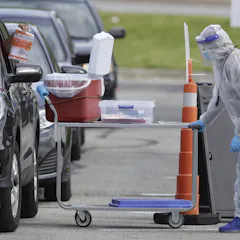
A team of researchers from Indiana University performed random testing for SARS-CoV-2 across the state. The results offer some of the most accurate data to date about important aspects of the virus.
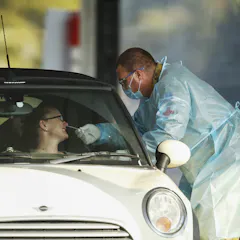
For the vast majority of people, no — you don’t need a referral to get tested at dedicated public COVID-19 testing clinic. It’s different if you plan to get tested at a private pathology clinic.
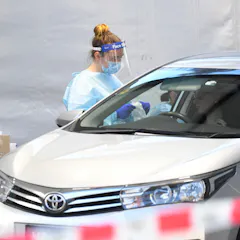
If you’ve got a test but haven’t heard back, it’s possible the delay is caused by test samples needing to be taken to interstate labs and the huge scale of testing underway.

Keeping health-care workers COVID-free is critical to delivering care to those who need it during a pandemic. What can we do to ensure they are better protected?
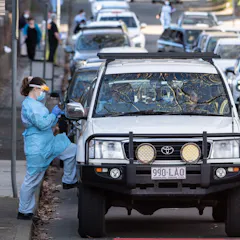
The prospects of elimination remain elusive but even with the current Victoria outbreak, Australia is maintaining a high number of tests per thousand people.
Pooled testing is most efficient when applied in settings of low virus prevalence.
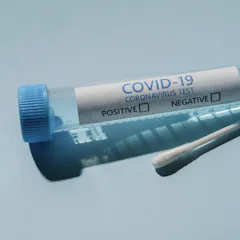
Screening multiple samples with a single test gets more people diagnosed using fewer supplies. Two health policy researchers explain how it works and how it could help the US.

South Africa’s public health system has been allocated R21.5 billion more for the fight against the COVID-19 pandemic but there’s no strategy to guide how it should be used.
For contact tracing to be effective, the UK needs quick, accurate testing and lots of tracing capacity – and also for the public to be on board.
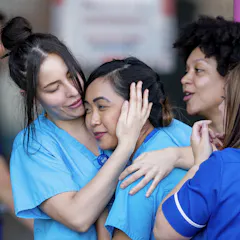
Testing healthcare workers can play a role in preventing new infections, but is a highly limited strategy and shouldn’t distract from other, more helpful measures.

It’s nearly impossible to avoid close contact when protesting, and easy to forget the risks. An infectious disease expert answers key questions about how to avoid spreading the coronavirus to family.
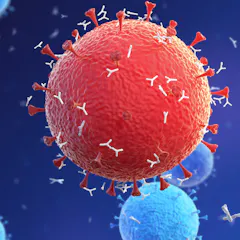
An antigen test was given emergency use authorization by the FDA in early May. A biochemist explains how COVID-19 antigen tests work.
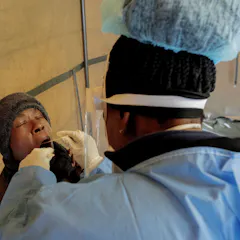
Early reports by the National Health Laboratory Service indicated that it had the capacity to do 30,000 tests a day. But capability to do so has not materialised.
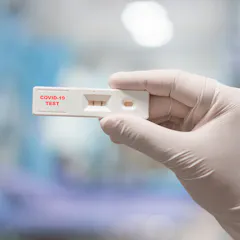
Expanding coronavirus testing is one of the most important tasks public health officials are tackling right now. But questions over accuracy of the two main types of tests have rightly caused concern.
Top contributors
-

Associate Professor of Public Policy, University of Maryland, Baltimore County
-
Associate Dean, School of Graduate Studies & Professor, Faculty of Education, Queen's University, Ontario
-
Senior Research DECRA Fellow, Institute for Learning Sciences and Teacher Education, Australian Catholic University
-
Distinguished Professor, Faculty of Education, Brock University
-
Associate Professor of Education Policy, Australian Catholic University
-
Associate Professor in Higher Education Studies, University of Cape Town
-
Professor of Education Futures, The University of Melbourne
-
Professor, School of Education, University of Southern Queensland
-
Professor of Information, University of Michigan
-
Professor in Psychology, University of Essex
-
Professor, Faculty of Education and Arts, Australian Catholic University
-
Emeritus Professor of Education, University of Cumbria
-
Clinical Professor of American and New England Studies, Boston University
-
Faculty Director for Professional Education, BU School of Education, Boston University
-
Professor of Digital Learning and Play, Northumbria University, Newcastle