

Research shows that rapid antigen tests are performing as well at detecting the most recent dominant variants as they did with the earliest strains in the COVID-19 pandemic.
Articles on RT-PCR
Displaying all articles

A rapid antigen test is a screening tool – it can indicate that you might be infected, but you need a PCR test to confirm the result.
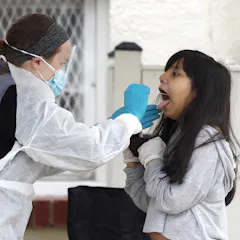
In September, production of rapid tests really ramped up in the US. But due to low accuracy and massive numbers needed, these tests alone are unlikely to have much of an effect on the pandemic.

Over the approaching holidays, people around the world will want to travel to see friends and family. Getting tested for the coronavirus can make this safer, but testing alone is not a perfect answer.
Testing large numbers of people regularly would reduce the spread of the coronavirus in the US. Laboratory testing is slow and expensive, but rapid screening tests could be the answer.
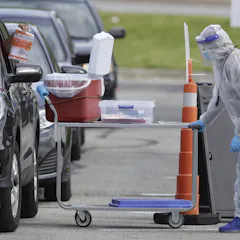
A team of researchers from Indiana University performed random testing for SARS-CoV-2 across the state. The results offer some of the most accurate data to date about important aspects of the virus.
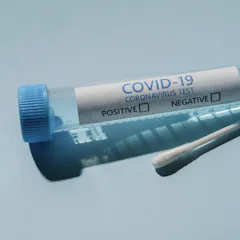
Screening multiple samples with a single test gets more people diagnosed using fewer supplies. Two health policy researchers explain how it works and how it could help the US.

Testing for coronavirus has been a fiasco in the US. But now companies are developing super fast tests, including ones that might eventually be as simple as at home pregnancy tests.
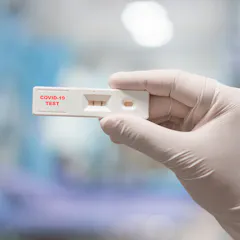
Expanding coronavirus testing is one of the most important tasks public health officials are tackling right now. But questions over accuracy of the two main types of tests have rightly caused concern.
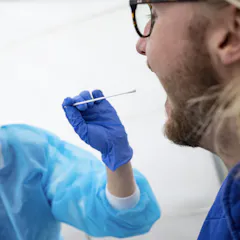
There is spare testing capacity. Why isn’t it being used?
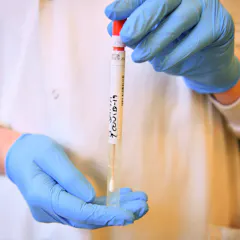
The hard truth is that this ship has probably sailed.
Top contributors
-

Associate Professor of Biology, Rochester Institute of Technology
-
Assistant Professor of Medicine, UMass Chan Medical School
-
Shah Rising Star Assistant Professor of Chemical Engineering, Herbert Wertheim College of Engineering, UF Health Cancer Center, University of Florida
-
Associate Professor of Molecular Medicine, UMass Chan Medical School
-
Professor Emerita, Nursing, School of Nursing and Midwifery, Griffith University
-
Honorary Senior Lecturer in Virology and President of Research-Aid Networks, University of Kent
-
Professor of Health Policy and Management, Indiana University
-
Indiana University
-
Associate Professor of Public Policy, University of Maryland, Baltimore County
-
Quintiles Professor of Pharmaceutical Development and Regulatory Innovation, Schaeffer Center for Health Policy and Economics, University of Southern California
-
Assistant Professor of Epidemiology and Biostatistics, University of Arizona
-
Associate Professor of Medicine, Michigan State University
-
Professor of Biostatistics, University of Arizona
-
Associate Director, Schaeffer Center for Health Policy and Economics and Assistant Professor of Pharmaceutical and Health Economics, University of Southern California
-
Assistant Professor of Pediatrics, Emory University