

Parliament seems poised to test Labor’s commitment to the use of Telehealth for voluntary assisted dying, even as Albanese remains personally opposed.
Articles on Voluntary euthanasia
Displaying 1 - 20 of 47 articles

The NT government has invited views on access to voluntary assisted dying. But whether it should include access for those with dementia is not so clear cut.
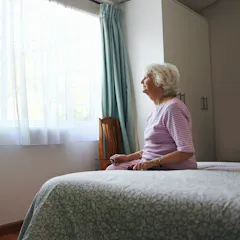
It’s illegal to discuss voluntary assisted dying via telehealth, which means people who live in rural areas and those who can’t physically go to see a doctor may not be able to access the scheme.

The first Australian Capital Territory voluntary assisted dying bill in more than 25 years was tabled in parliament yesterday. So what will MPs vote on? And how is it different to state legislation?

Aged care facilities and hospices can block access to voluntary assisted dying, despite it being legal in your state.

Voluntary assisted dying is now legal, or will soon will be, in all six states. But we need enough doctors to put their hands up for training.
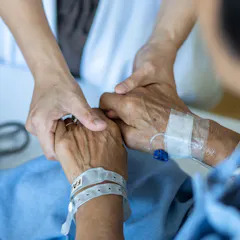
Multiple amendments could make the law unwieldy, incoherent and even unworkable.

The proposed NSW legislation is similar to other states, including replicating a key flaw.

Under the Commonwealth Criminal Code, it’s an offence to use a ‘carriage service’ — which includes phone, videoconferencing or email —for the purposes of conveying ‘suicide related material’.

Interviews with 32 doctors who provided voluntary assisted dying services in Victoria found layers of bureaucracy made it difficult for patients to access the system. Some died while waiting.

The detailed work of making the End of Life Choice Act work in practice now begins, including the decision about how assisted dying will be funded.

Climbing in the polls and less inclined to be National’s political lapdog, is the ACT Party more or less than the sum of its parts?

Terminally ill research participants wanted to have the option of assisted dying if they needed it, and felt they knew best when the time was right for them to die.

Over the first year of voluntary assisted dying in Victoria, about 400 people applied to access the laws to end their lives. There are lingering issues, but the system is workable.

Nine states and the District of Columbia currently have laws that permit assisted dying, but the laws are so restrictive that they are often more hurdle than help.
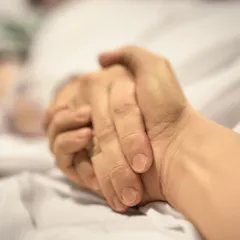
A marathon round of amendments and parliamentary debate will likely see voluntary assisted dying implemented in WA in around 18 months. It’s time to start preparing.

Many people might want to choose how, when, and under what circumstances they die – but diseases like dementia can complicate advance euthanasia directives.
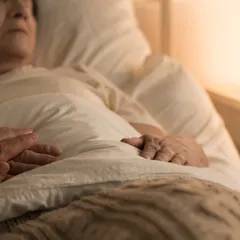
From June 19, Victorians at the end of their lives can request medical assistance to die. Voluntary assisted dying may offer a new option for some, but the practice will be strictly regulated.
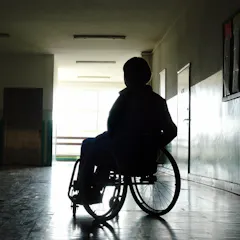
Disability, autonomy and euthanasia – an uncomfortable debate.
In the UK, euthanasia is ignored by parliamentarians in favour of political survival.
Top contributors
-

Distinguished Professor, Professor of End-of-Life Law and Regulation, Australian Centre for Health Law Research, Queensland University of Technology
-
Professor of Law, Australian Centre for Health Law Research, Queensland University of Technology
-
Associate professor, Queensland University of Technology
-
Emeritus professor, Southern Cross University
-
Professorial Fellow, University of Canberra
-
Associate Research Fellow, Deakin University
-
Associate Professor of Medicine, Deakin University
-
Professor of Medicine, Monash University
-
Associate Professor of Law (Health Law), Deakin University
-
Associate Professor of History, CQUniversity Australia
-
Chen Su Lan Centennial Professor in Medical Ethics, National University of Singapore; Distinguished Visiting Professor in Law, University of Melbourne; Uehiro Chair in Practical Ethics, The University of Melbourne
-
Associate Professor of Criminal Law and Criminal Justice, University of Reading
-
Professor of Healthcare and Medical Law, Glasgow Caledonian University
-
Senior Pediatrician-neonatologist, Beatrix Children Hospital, University Medical Center Groningen, University of Groningen
-
Senior Research Fellow, Uehiro Centre for Practical Ethics, University of Oxford