

Talking about violence with teens and tweens is very different from the conversation you’ll have with younger children.
Articles on Teen depression
Displaying all articles

Up to 50% of US teens feel they are addicted to their devices. But help is out there.

Teen depression is on the rise but effective help is available. We look at what parents can do to support their teen.

Millions of young people in the US are suffering, whether from abuse at home, pressure from social media or exposure to violence. But navigating the mental health care system can be disheartening.

Some psychologists suggest a cultural emphasis on safety is contributing to rising anxiety and depression among teens.

The mental health of teenagers has grown far worse over the last decade. But a new report shows that, compared with boys, teen girls are disproportionately experiencing sadness and hopelessness.

Nearly 1 in 5 US teenagers battle depression. But parents can help by communicating openly, creating a behavior contract and finding low-pressure opportunities to interact with their teen.

Imposing outright social media bans can do more harm than good.

New research shows that many young people report a sense of temporary relief following episodes of self-harm. But there are clear ways to help teens replace injurious behaviors with healthy ones.

A well-intentioned public health message has had serious negative impacts on the treatment of young people for depression.

The teen years are filled with fun for some, but many youth begin to experience serious depression, which can set them up for recurring bouts. A new study offers hope: Support and understanding help.

Depression can affect people at any stage in life – here, an expert in psychology answers a young reader’s question about how to help.

Psychology researchers found that daily acts of kindness were linked to increases in positive mood – especially for teens who felt depressed.
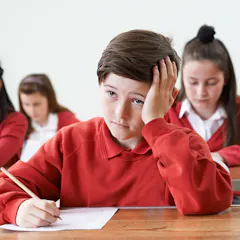
A study of 600,000 children has found links between achievement and depression.

At the ages of 6-7, when children are transitioning to starting school, 14% have high levels of emotional problems, including depression and anxiety. This percentage is higher in the later years.

According to a new analysis, the number of US teens who felt “useless” and “joyless” grew 33 percent between 2010 and 2015, and there was a 23 percent increase in suicide attempts.

Move over millennials, there’s a new generation in town. Dubbed ‘iGen,’ they differ from their predecessors on a range of measures, from mental health to time spent with friends.
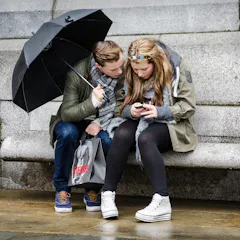
How you use social media can provide warning signs of depression or anxiety.
One in four people experience a mental health problem in any give year.

Many adolescent pressures are age old, others newer, such as having followers on social media.
Top contributors
-

Professor of Psychology, San Diego State University
-
Assistant Professor of Psychology, Wayne State University
-
PhD Candidate in Social Policy, University of Kent
-
Clinician, Australian Catholic University
-
Professor in Public Health Data Science, Swansea University
-
Research Fellow in Educational and Developmental Psychology, Charles Sturt University
-
Head of the Department of Psychiatry, The University of Melbourne
-
Senior Lecturer in Psychological Interventions, University of Lancashire
-
Professor of Medical Informatics and Adjunct Professor of Sociology, University of Pennsylvania; Professor of Biomedical Informatics, University at Buffalo
-
Research Assistant in Psychiatry, Wayne State University
-
Professor & Director of The Matilda Centre. Chair, Australia's Mental Health Think Tank, University of Sydney
-
Professor of Population Medicine, Harvard Medical School, Harvard University
-
Researcher, The Matilda Centre for Research in Mental Health and Substance Use, University of Sydney
-
Professor of Psychology, Bridgewater State University
-
Professor of Sociology, University of North Carolina at Chapel Hill