
Just as infection signals imbalance in Western medicine, in te ao Māori it indicates a deeper disharmony that requires restoring the relationships that sustain life.
Articles on te ao Māori
Displaying all articles
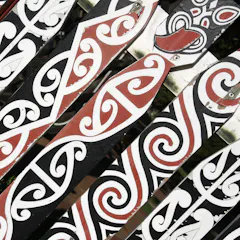
Utu is commonly misunderstood to mean violent revenge, but it really describes reciprocity, harmony and balance – ideas central to New Zealand’s international relations.
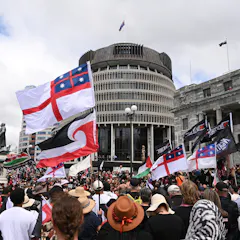
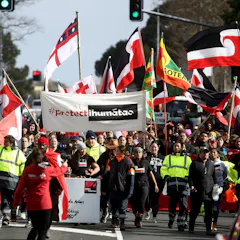
With submissions now being sought on the Treaty Principles Bill, can the debate rise above party politics but remain grounded in evidence?
A Treaty framework developed for New Zealand On Air offers a way for journalists to critically evaluate their own work and promote more accountable and equitable day-to-day reporting.

Accusations of being a ‘useless Māori’ or seeing life through a ‘vanilla lens’ might sound mean-spirited and hurtful. But behind the political sloganeering lie deeper questions about Māori identity.
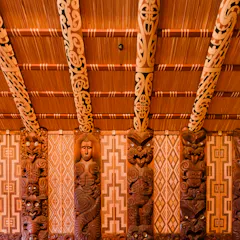
Te Wiki o Te Reo Māori is a time to celebrate Aotearoa’s Indigenous language. But we also need to acknowledge the limits of literal translation and pay attention to the deeper meanings of words.
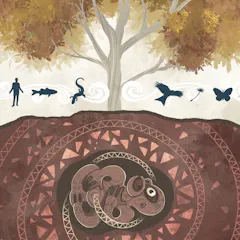
Ki te tini o ngā umanga Māori, he whānui kē atu ngā hua ka whāia tēnā i ngā putanga ahumoni anake. He rautaki reanga-maha ō rātou, he whakanoho rātou i te painga mō te katoa hei ahunga mō te ihu o te waka. He akoranga i konei mō ētahi atu umanga.
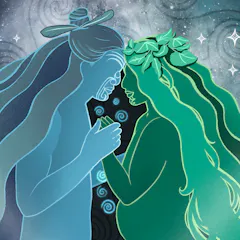
Māori businesses often prioritise more than financial results, have multi-generational strategies and put community at the centre of planning. Other businesses could learn from this.
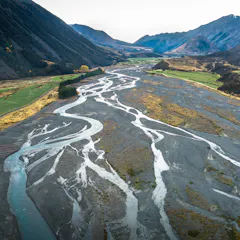
Given climate change predictions of more extreme floods in New Zealand, it’s time to change management practices to work with a river, allowing it room to move and its channels to adjust.
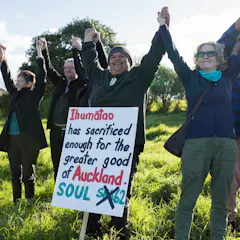
New Zealand is the last major landmass to be settled. One of the sites of earliest occupation is under threat from development, despite its cultural significance for Māori.
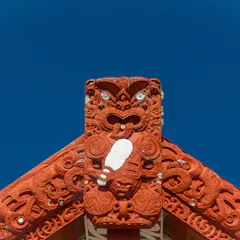
Māori business is booming thanks to entrepreneurs with a strong sense of cultural identity and a willingness to take risks.
Top contributors
-

Professor of Race Relations, Health and Wellbeing, Te Kunenga ki Pūrehuroa – Massey University
-
Professor of Strategy and Innovation, Te Herenga Waka — Victoria University of Wellington
-
Senior Lecturer (Organisational Behaviour), Te Herenga Waka — Victoria University of Wellington
-
Senior Lecturer in Management, Te Herenga Waka — Victoria University of Wellington
-
Lecturer in Management, Te Herenga Waka — Victoria University of Wellington
-
Senior Lecturer in River Science, University of Auckland, Waipapa Taumata Rau
-
River Geomorphologist, National Institute of Water and Atmospheric Research (NIWA)
-
Associate Professor in Civil and Environmental Engineering, University of Auckland, Waipapa Taumata Rau
-
Professor of River Science, University of Canterbury
-
Senior Lecturer in Māori Studies, University of Auckland, Waipapa Taumata Rau
-
Kairangahau/Researcher, Te Kunenga ki Pūrehuroa – Massey University
-
Professor, Chair of Physical Geography, University of Auckland, Waipapa Taumata Rau
-
Professional Teaching Fellow in Relational Justice and Ethics, University of Auckland, Waipapa Taumata Rau
-
National Institute of Water and Atmospheric Research (NIWA)
-
Professor in Physical Geography, Te Kunenga ki Pūrehuroa – Massey University