
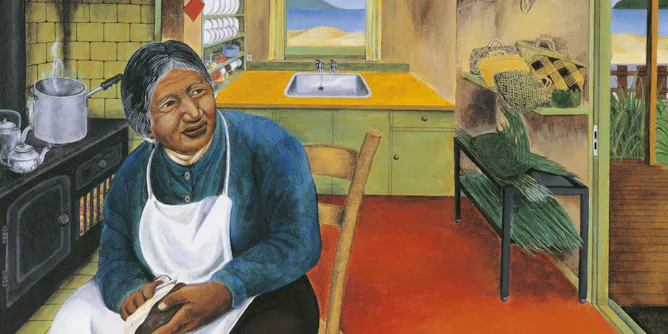
The use of te reo Māori in picture books has been increasing since 1970. The relative space given to Māori and English reflects status changes of both languages.
Articles on te reo Māori
Displaying 1 - 20 of 26 articles
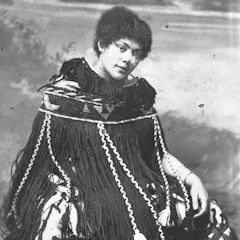
Over 100 years after Pō Atarau was popularised, it’s on the soundtrack of Ryan Gosling’s blockbuster Project Hail Mary. But who was the remarkable woman behind it?

The proposed English Language Bill assumes a problem. In reality, English dominates public life while many heritage languages struggle to survive.
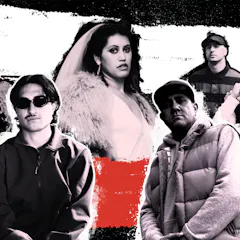
The number of New Zealanders who speak te reo Māori grew 15% from 2018 to 2023 – and the nation’s artists are reflecting this.

Taking away the duty of boards to give effect’ to te Tiriti o Waitangi undermines the expectation that schools should work for Maori as well as for anyone else.
AI ‘learns’ by digesting copyright-protected material, with billions at stake. Proper licensing deals offer the best solution for authors, artists and publishers.
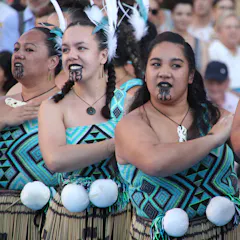
Using structured literacy to teach te reo Māori is more about an educational ideology than about understanding the essence of New Zealand’s Indigenous language.

A new mathematical model shows the numbers able to speak te reo Māori will likely keep growing – as long as the right government policies and public support are maintained.
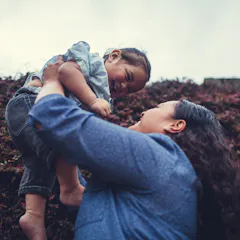
Despite today’s tensions over Treaty principles and Māori political representation, the language revitalisation movement has delivered the culturally confident generation its trailblazers dreamed of.

The indigenous languages of Taiwan are struggling in the face of Chinese dominance. The answer to language revitalisation could lie in grassroots efforts rather than government legislation.
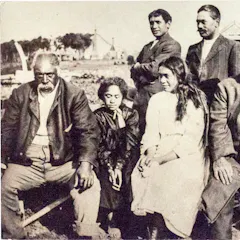
The last native Moriori speaker died over a century ago. Can an ambitious new project bring the language back from the brink?

Concern over bilingual road signs in New Zealand is as much political as it is about safety – but the international evidence suggests there’s little to worry about.

More Indigenous sports stars are speaking their mother tongues in TV interviews and elsewhere. The challenge now is to develop truly bilingual commentary teams to keep the ball alive.

We encourage everyone to learn te reo Māori, but if not done well and ethically, it could be another wave of colonisation.
Accusations of being a ‘useless Māori’ or seeing life through a ‘vanilla lens’ might sound mean-spirited and hurtful. But behind the political sloganeering lie deeper questions about Māori identity.
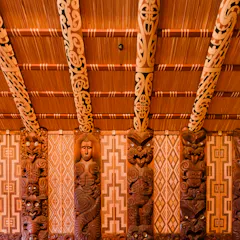
Te Wiki o Te Reo Māori is a time to celebrate Aotearoa’s Indigenous language. But we also need to acknowledge the limits of literal translation and pay attention to the deeper meanings of words.
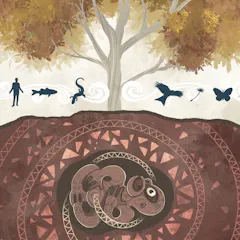
Ki te tini o ngā umanga Māori, he whānui kē atu ngā hua ka whāia tēnā i ngā putanga ahumoni anake. He rautaki reanga-maha ō rātou, he whakanoho rātou i te painga mō te katoa hei ahunga mō te ihu o te waka. He akoranga i konei mō ētahi atu umanga.
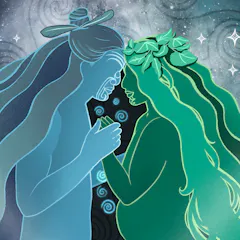
Māori businesses often prioritise more than financial results, have multi-generational strategies and put community at the centre of planning. Other businesses could learn from this.

A veterinary scientist by training, Massey University Vice-Chancellor Jan Thomas has turned to the humanities to learn more about Māori. Here she explains why.
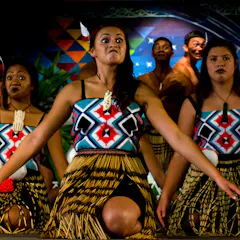
The state-sponsored pop cultural renaissance of Korea shows how language isn’t an obstacle to world domination.
Top contributors
-

Associate Professor in Linguistics, University of Waikato
-
Associate Professor, Pania Te Maro, Te Kunenga ki Pūrehuroa – Massey University
-
Lecturer in Management, Te Herenga Waka — Victoria University of Wellington
-
Senior Lecturer (Organisational Behaviour), Te Herenga Waka — Victoria University of Wellington
-
Professor of Strategy and Innovation, Te Herenga Waka — Victoria University of Wellington
-
Senior Lecturer in Māori Language Revitalisation, Auckland University of Technology
-
Senior Lecturer in Management, Te Herenga Waka — Victoria University of Wellington
-
Senior lecturer, Institute of Education, Te Kunenga ki Pūrehuroa – Massey University
-
Professor in Children's Literature, University of Waikato
-
Associate Professor, Faculty of Māori and Indigenous Studies, University of Waikato
-
Professor of Māori and Indigenous Studies, University of Canterbury
-
Associate Professor, Ngā Wai a Te Tūī (Maori and Indigenous Research Centre) and School of Healthcare and Social Practice, UNITEC Institute of Technology
-
Professor, Aotahi School of Māori and Indigenous Studies, University of Canterbury
-
PhD Candidate, School of Information Management, Te Herenga Waka — Victoria University of Wellington
-
Lecturer, School of Communication Studies, Auckland University of Technology