

Portugal’s remarkable public health strides after changing its approach to drugs may not be replicable in other countries absent broader systemic reforms.
Articles on TC global health
Displaying 21 - 40 of 72 articles

Every dollar invested in hearing care returns about $16. So why are 98% of Africans who need a hearing aid still going without one?

Tailored interventions are crucial for improving equitable access to maternal healthcare for women with disabilities.

Drawing lessons from Sierra Leone and having watched the mid-2026 outbreak in the DRC, I conclude that it risks become a global epidemic.

Group interpersonal psychotherapy is an effective way to manage depression among perinatal adolescents.

The next phase of the response must not be about deploying more people into communities simply to deliver interventions.

These apps and software programs could provide access to lifesaving screening – if researchers can find a way to remove the baked-in bias.

From eggs and jalapenos to dog food, granola and pet turtles – it seems like you can catch a Salmonella infection from just about anything these days.

For some illnesses, shorter courses of antibiotics work just as well as longer ones, but researchers are still working out the ideal timescales for many infections – and it may not line up with when you feel better.

Gamers face eye strain, repetitive-use conditions, back problems and even blood clots. Lessons from music, dance and car racing can help prevent and treat these injuries.

Physical exercise, a proper diet, cognitive training, clinical monitoring, and socialization improve cognitive performance by 55% among older adults in Latin America.

The honey is being exported without the knowledge of the honey harvesters that keeps consumers safe.

Kenya’s health financing law change suggests conditions for reform can be strategically built.

Despite advances in neuroscience, the underlying biology of mental illness has remained elusive. The DSM-6 will attempt to integrate neurobiology into how clinicians diagnose and treat psychiatric conditions.

You can build resilience that will work with the changing rhythms in your life.

The vast majority of people around the world are lactose intolerant. But American propaganda and scientific biases have made milk and dairy products a staple in global diets.

The challenge now is not simply helping people live longer, but ensuring they age well.
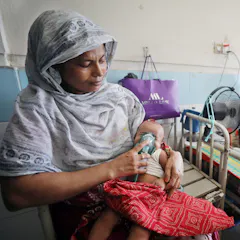
Measles is making a comeback around the world. In places with low vaccination rates, a few cases can quickly become an epidemic.

Novel treatments include mental exercises to boost cognitive function, as well as strategies that help people with schizophrenia understand the emotions of others.

Amid multiple disease outbreaks and intense political pressures, Director Erica Schwartz will need to defend scientific independence.
Top contributors
-

Professor of Medicine and Public Health Sciences, Medical University of South Carolina
-
Clinical Epidemiologist, Washington University in St. Louis
-
Distinguished Professor of Pharmacy Practice, University of Connecticut
-
Research Fellow in Media and Information, Michigan State University
-
Communication and Education Specialist at the Children’s Institute, University of Cape Town
-
Senior Specialist Scientist, South African Medical Research Council
-
Senior Scientist, South African Medical Research Council
-
Ph.D. Candidate in Chemical Engineering, Penn State
-
Provost Associate Professor of Marketing, American University
-
Associate Professor of Marketing, Texas Tech University
-
Professor of Medicine, Case Western Reserve University
-
Associate professor, University of the Western Cape
-
Assistant Professor of Health and Kinesiology, University of Illinois Urbana-Champaign
-
Research Scientist, African Population and Health Research Center
-
Associate Professor of Clinical Medicine, University of Miami