
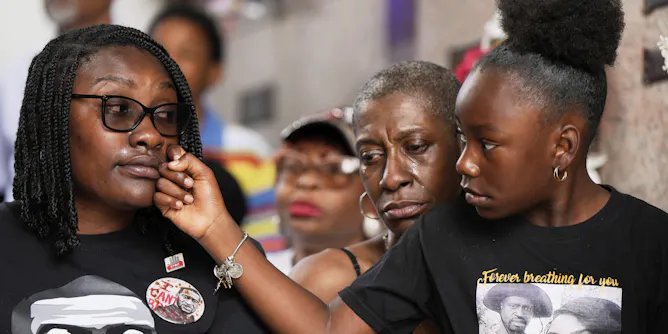
Racialized communities are systematically over-represented in police use-of-force data across 17 cities and regions. And this is rooted in ongoing racism in policing.
Articles on Systemic racism
Displaying 1 - 20 of 71 articles

The US comedian’s latest viral video has (predictably) offended many conservatives. Here’s why it can’t be considered ‘racist’ on any level.

A study rooted in Black women educators’ experiences invites us to envision education as a site of liberation, not just endurance.

The future of equity in Canada depends on moving beyond simply counting racialized people in power and instead examining how power works, upholds injustice and can be transformed.

Results of a study suggest policy improvements are needed to provide educators with strategies to reduce bias around race, gender and socioeconomic status.

An education scholar explains how some teachers and school counselors are quietly resisting what they see as political incursion into the classroom.
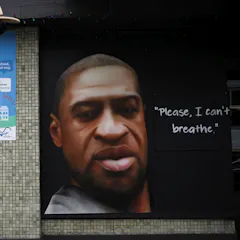
A digital archive highlights the use of art in protest against police brutality, racism and the ongoing impact of colonization.

Research shows the state care system continues to traumatise young people, especially Māori. Without real change, survivors believe today’s apology will ring hollow.
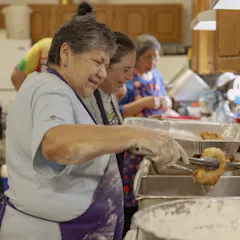
Frybread — a simple, versatile “comfort food” for many Indigenous communities — embodies the contradictions that have dictated Indigenous food and health in North America since colonization.
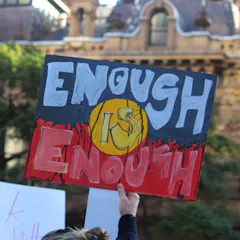
First Nations women are 32 times more likely to be hospitalised as a result of domestic violence than non-Indigenous women. We need to put Indigenous women at the centre of the discussion.
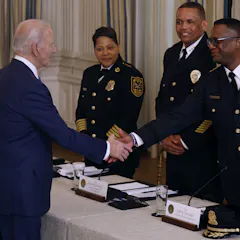
Research has shown that anti-gun violence programs have more success when they address root causes such as generational poverty, easy access to guns and a lack of affordable housing.

When teachers are self-aware of how their identities impact their values, beliefs and experiences, they are better prepared to help students build bridges between their lives and literature.
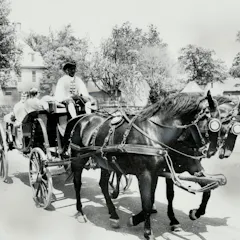
Though it is a fact that some enslaved people learned valuable skills, it’s a myth that they had the same path of upward mobility that white laborers enjoyed.
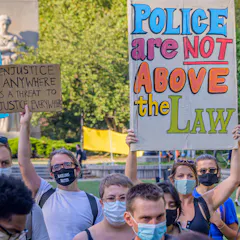
At a time when Americans celebrated their nation’s independence, it’s clear not every American enjoys the same constitutional rights.

Chronic stress from living with systemic racism and gun violence can lead to increased symptoms of PTSD and depression as well as elevated cortisol levels.
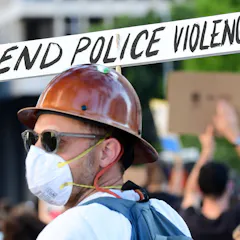
Shielding police from accountability can only lead to more brutality, misconduct – and multimillion-dollar settlements.

A new database shows that efforts to ban critical race theory are pervasive throughout the United States.

A study of more than 200 social services and arts groups points to the severity of structural barriers.
To address declining humanities enrolments, these programs should ensure they offer more than critical theory for identifying and analyzing problems.

Universities can draw on health research about patient/health-care practitioner shared decision-making to centre the voices of BIPOC students when creating policies and practices to dismantle racism.
Top contributors
-

Full Professor/CRC in Socially Engaged Theatre; Director, C-SET, University of Regina
-
Evan Pugh University Professor of Anthropology, Penn State
-
Professor, Jean Augustine Chair in Education, Community & Diaspora, York University, Canada
-
Associate Professor, Southern Cross University
-
Associate Professor at the School of Social Transformation, Arizona State University
-
Assistant Professor, Augusta University
-
Indigenist Health Humanities Academic Director, Queensland University of Technology
-
Senior Project Advisor, Carumba Institute, Queensland University of Technology
-
Postdoctoral Fellow in Communication, University of California, Davis
-
Assistant professor, Faculty of Health, York University, York University, Canada
-
Postdoctoral Research Fellow, Deakin University
-
Assistant Professor, Anthropology, University of Manitoba
-
Assistant Professor of Indigenous Studies, University of Lethbridge
-
Associate Professor, York University, Canada
-
Assistant Professor of Sociology, University of Washington