
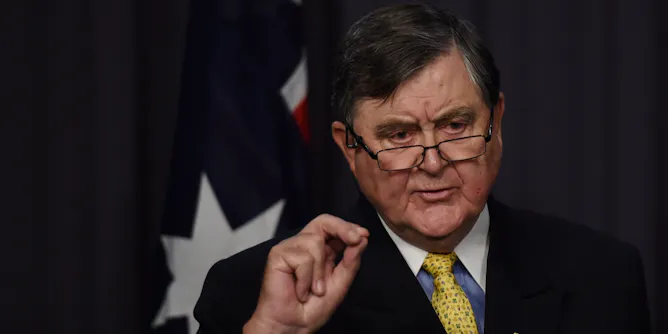
The value and utility of the NSA’s metadata retention programs – which formed the template for Australia’s metadata regime – have too often been over-exaggerated.
Articles on Surveillance
Displaying 321 - 340 of 411 articles
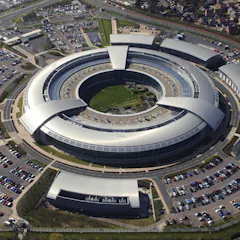
As Wikileaks reveals yet more details of the astonishing extent of GCHQ mass surveillance, where is the proof that bulk data collection even works?

Police-worn body cameras could be a helpful tool for law enforcement in cases involving domestic violence. But they could also have unintended consequences.

The use of drones by authorities has increased around the globe. In the US, drones have been used not only for police surveillance and in operations, but also to patrol its southern borders.

Government could be forced to repeal DRIPA surveillance legislation after court ruling.

Polls show Americans have become less trusting and more suspicious.
Four decades on, in a digital era of surveillance and data storage, Watergate remains a useful yardstick for assessing the value of source confidentiality.
An independent review recommends greater transparency but ultimately concludes surveillance can continue.

US intelligence agencies can no longer collect and store the telecommunications data of US citizens but other countries are strengthening their efforts.

Almost 1000 years after their ruler demanded every detail of serfs’ lives, the digital age and mass surveillance are creating a new and undemocratic imbalance between citizens and those with power over them.
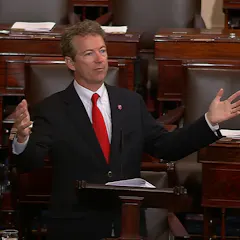
The expiry at midnight, Sunday of three key provisions of the Patriot Act has thrown Washington into turmoil and halted surveillance programs – a panel of scholars gives their verdicts.

The UK and other governments seem set on the idea that finding needles can be made easier by radically increasing the size of the haystack.
The Second Circuit Court of Appeals went beyond striking down the NSA’s metadata surveillance program; the court also created a road map for Congress to balance privacy and security issues

The Apple Watch represents a significant shift from handheld technology to devices that become an invisible part of our lives.

Freed of the Liberal Democrats’ influence, here are some of the things the Conservative government has in store for us.
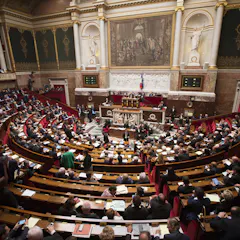
Legislation is passed in France that would see state surveillance powers scale towards those in the US and UK.
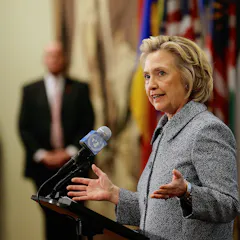
The idea of the right to know as the ‘lifeblood of democracy’ is a surprisingly modern development. And in an age when transparency is prized, privacy and secrecy can still be justified in many cases.

As governments gain greater access to private information there is a need to protect our freedoms. Artists can make a distinct contribution to this debate by offering alternative perspectives.

The new legislation forcing telcos and internet companies to store your metadata for two years creates a new set of secuirty risks.

There are still unanswered questions about the data retention bill, but it’s now too late to get answers before it is passed into law.
Top contributors
-

Associate Professor in Telecommunications Engineering, Swinburne University of Technology
-
Research Director of the Security and Surveillance Research group; Professor, The University of Queensland
-
Professorial Fellow, University of Canberra
-
Professor of Digital Society, University of Glasgow
-
Affiliated Faculty Member, Institute for Computational and Data Sciences, Penn State
-
Associate Professor, School of Law, University of Canberra
-
Senior Lecturer in Technology, The Open University
-
Research engineer, Advanced Surveillance Project, CSIRO
-
Senior Researcher and Project Manager, Advanced Surveillance Project, CSIRO
-
Lecturer in Technology and Crime, Griffith University
-
Professor and Director, Centre for Research into Information, Surveillance and Privacy, University of Stirling
-
Emeritus Professor in Law and Criminal Justice, Adelaide University
-
Professor of Global Legal Studies, Birmingham Law School, University of Birmingham
-
Head, The Cyber Academy, Edinburgh Napier University
-
Professor of Cyber Security Practice, Edith Cowan University