

At Q’s of course! But he doesn’t pull them out of his sleeve. In Spectre (2015), Daniel Craig and Ben Whishaw play the famous spy and his gadget supplier.
Articles on Supply chains
Displaying 121 - 140 of 353 articles
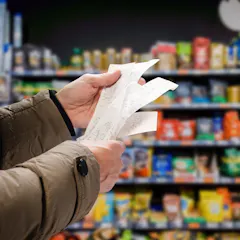
Why wait until a Senate inquiry to explain how supermarkets come up with the prices in their stores? There’s an opportunity now for the big supermarkets to be more transparent on pricing.

A cyberattack on one of Australia’s biggest port operators has highlighted the potential vulnerability of the global economy.
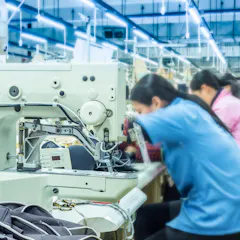
Supply chains can contain thousands of suppliers spanning continents. DNA testing, drones, satellite imaging and other technologies can help identify forced and child labour.
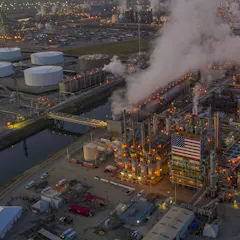
California is the world’s fifth-largest economy. Laws tested there often spread across the U.S. and around the world.

Big name food brands are pursuing decarbonisation – but they are squeezing farmers in the process.

Is Australia ready for a house construction boom? Supply chain constraints say no.
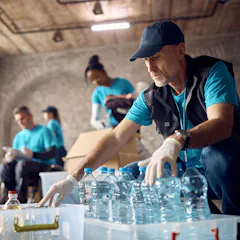
Even before Storm Daniel hit, Derna in Libya was in dire need of help. But it’s not always clear how best to help humanitarian organisations to deliver aid most effectively.

The combination of data and maps is useful for a lot more than just helping you get from point A to point B. Think natural disasters, global supply chains and climate change.
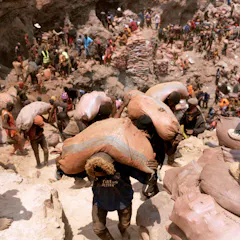
A new EU law would require thousands of multinational companies, including many based in the US, to look for signs of human rights abuses in their supply chains.

A new study suggests disclosure laws to prevent forced labour in the clothing industry are a form of window dressing designed to ease the conscience of consumers rather than protecting workers.
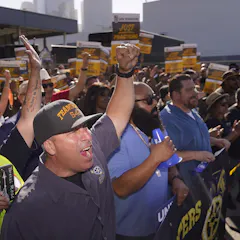
The strike would have been the first for the parcel delivery giant since 1997.
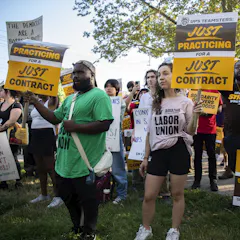
Talks between the the International Brotherhood of Teamsters and company bosses have broken down. A supply chain expert explores what could happen next.

The shortages, which have been going on for years, have typically affected only low-cost generics rather than profitable brand-name drugs.
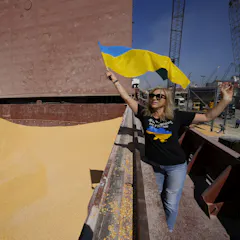
Russia’s move, which it followed by bombing the key port city of Odesa and threatening to attack any ship sailing for Ukraine, sent global food prices skyrocketing.
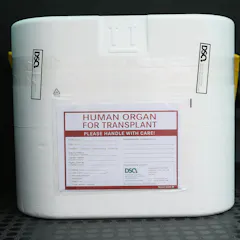
Demand for human organs has surpassed supply. This is leading to serious problems including a flourishing black market for organ trafficking.

So much international trade happens in dollars that it would be very difficult to turn the tide against the currency any time soon.
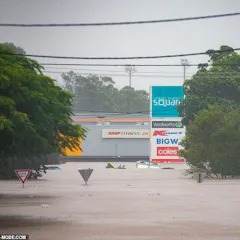
When the roads flooded around Lismore, it left supermarket shelves empty for months. Keeping everyone fed took a huge community effort. Now we need to make food supply secure.

There are many uses for digital systems that are not centrally controlled and that allow large numbers of people to participate securely, even if they don’t all know and trust each other.

We need a comprehensive code of conduct that ensures the long-term sustainability of the industry, while also protecting consumers in the event of future supply imbalances.
Top contributors
-

Associate Dean, School of Business and Law, Edith Cowan University
-
Eugene M. Isenberg Chair in Integrative Studies, UMass Amherst
-
Professor of Health Service Operations, School of Pharmacy & Medical Sciences, University of Bradford
-
Deputy Director of the HUMLOG (Humanitarian Logistics and Supply Chain Management Research) Institute, Hanken School of Economics
-
Professor in Sustainable Production and Consumption, Anglia Ruskin University
-
Lecturer in Logistics, Technological University Dublin
-
Associate Professor in Operations and Supply Chain Management, UTS Business School, University of Technology Sydney
-
Assistant Professor of Operations Management, University of Manchester
-
Senior Lecturer in Operations and Supply Chain Management, Anglia Ruskin University
-
Professor of Logistics and Supply Chain Management, Heriot-Watt University
-
Associate Professor of Supply Chain & Analytics, University of Missouri-St. Louis
-
Associate Professor, University of Sydney Business School, University of Sydney
-
Distinguished Professor of Supply Chain Management, Northeastern University
-
Associate Professor, Supply Chain Analytics, University of Bradford
-
Professor of Accounting, University of Portsmouth