
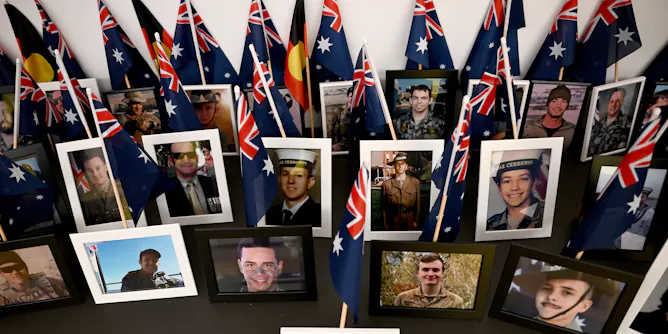
After years of hearings and almost 6,000 submissions, the final report has been tabled in parliament. It contains 122 recommendations for change in the Australian Defence Force.
Articles on Suicide
Displaying 61 - 80 of 417 articles
Many veterans keep quiet who should not. A new study is trying to work out why.
Cricket is physically and mentally demanding and draining – and it has a suicide problem. Here’s why.
New research shows police specialising in family violence are concerned current approaches leave victim-survivors unprotected.

Responses to a toll-free hotline offering advice on mental health issues showed demand was high.

Khin Myint’s memoir explores family trauma and chronic illness, through the lens of his sister’s illness, childhood bullying and a brutal breakup that sparked a court case.
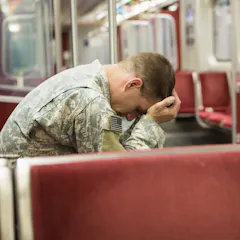
Suicide among military service members in the US is a growing problem. A lack of a sense of belonging and feeling like a burden are key risk factors.

There is a long history of self-immolation being used as a protest in the US – but that doesn’t stop such protests being regularly dismissed.
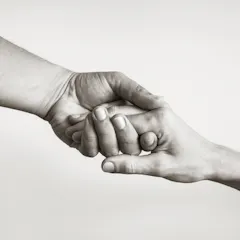
Our society needs to talk more openly about suicide. However, public discussion of suicide carries risks, and it’s crucial that such discussion be informed, sensitive and alert to potential harm.

While for some, gambling might be a source of entertainment, for others, it can lead to significant harms.
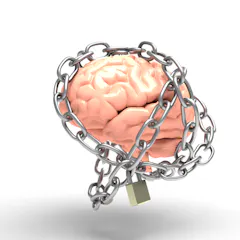
Corruption imposes mental health costs on individuals.
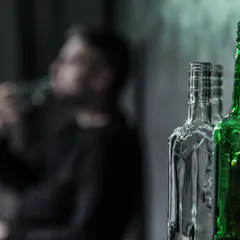
This is the moment of truth. John’s story is no longer trapped in the clinical pages of a case file. ‘I’ve lost everything,’ he says. ‘I might as well be dead.’

Putting Finland’s precipitous drop in suicides in context.
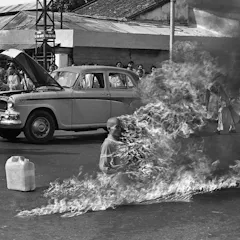
Aaron Bushnell’s self-immolation is an example of ‘spectacular agency,’ a form of attention-grabbing but costly protest. And, it is uncertain how the public will perceive such protests.
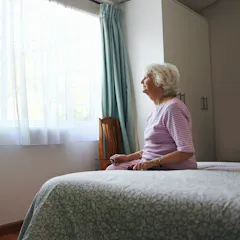
It’s illegal to discuss voluntary assisted dying via telehealth, which means people who live in rural areas and those who can’t physically go to see a doctor may not be able to access the scheme.

The study found women were at the greatest risk of suicide during the secretory and proliferative phases of their menstrual cycle.

There is no express right to health in New Zealand law. But international agreements protecting Indigenous rights to health and wellbeing set the standard New Zealand should follow.

Pins were ubiquitous and swallowing them became associated with demonic posession and female “hysteria”.
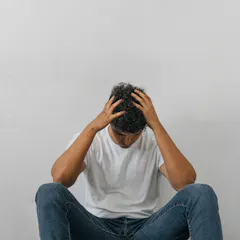
Close to half of those who die by suicide saw a primary care doctor within a month of their death.
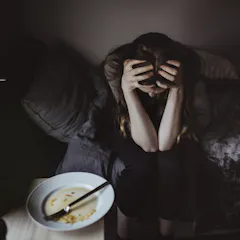
Many people with eating disorders die from suicide. Improving perception of internal body states, or interoception, can help everyone better care for their own bodies.
Top contributors
-

Professor emeritus, The University of Melbourne
-
Principal Research Fellow, Griffith University
-
Senior Lecturer in Social Work, University of Salford
-
Professor, Orygen, The University of Melbourne
-
Professor of Psychiatry, University of Toronto
-
Chief Specialist Scientist in Alcohol, Tobacco and Other Drug Research Unit, South African Medical Research Council
-
Professor, Director, Open Door: Improving the Wellbeing of Veterans, Public Safety Personnel and their Families, Flinders University
-
Assistant Professor of Social Work, Policy, and Practice, University of Chicago
-
Conjoint Professor of Psychiatry, UNSW
-
Professor of Psychiatry, The University of Melbourne
-
Principal Research Fellow, Australian Institute for Suicide Research and Prevention, National Centre of Excellence in Suicide Prevention, Griffith University
-
Professor of Psychology, San Diego State University
-
Assistant Professor, McGill Group for Suicide Studies, Department of Psychiatry, Faculty of Medicine and Health Sciences, McGill University
-
Assistant Professor, Department of Educational and Counselling Psychology and Canada Research Chair in Youth Suicide Prevention, McGill University
-
Professor and Head of Social Work, University of Tasmania